Booksmart (2019)
Booksmart is certainly energetic and exciting. But do its high-powered hormones overwhelm its generous heart?
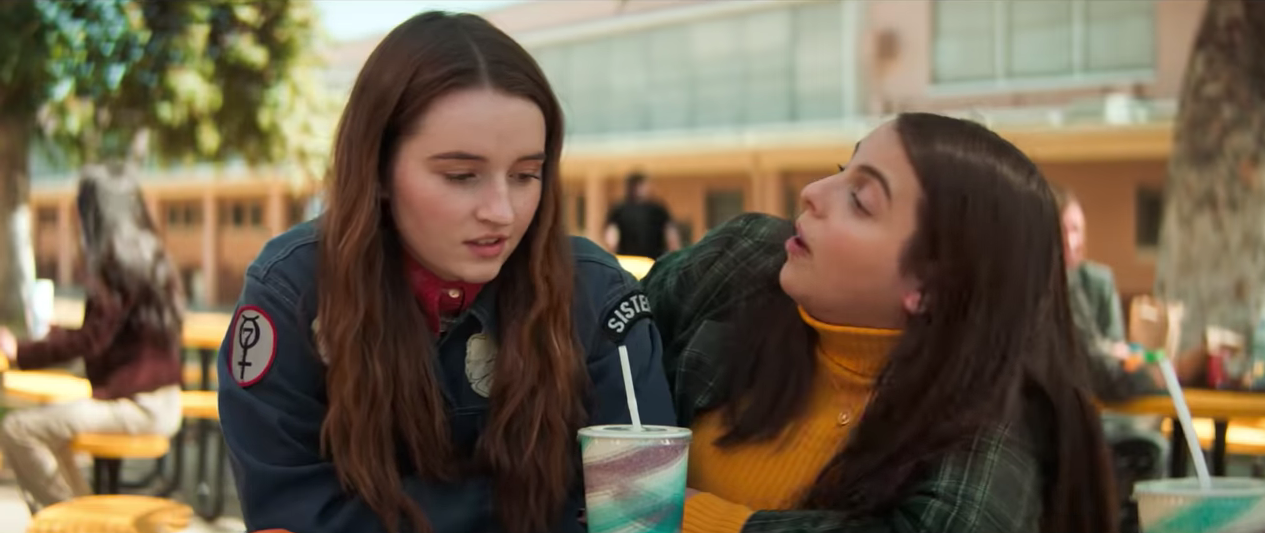
The praise party thrown for Booksmart had me wondering if Olivia Wilde’s directorial debut might be the first high-school sex comedy to earn a Best Picture nod.
Then came the second wave: cries for critics to settle down, peppered with a few dubious complaints that Wilde’s idea of high school was “unrealistic,” especially in its idea that maybe we can all get along.
That sparked some snarky comebacks, but I’m not sure “the backlash to the backlash” ever became a thing.
So, the joint is almost empty now. Argumentative cinephiles have moved on, getting worked up about whether Jim Jarmusch’s zombie movie is a work of genius or inexcusable laziness. And here I am, conflict-averse, and taking an hour-long break from grading finals for college freshmen. Why not step up to the Booksmart mic, long after the opening-weekend professionals have moved on, and share my thoughts with anybody who might still be listening?
I’m not here to stir up excitement: I won’t hail Booksmart as a game-changer in its genre, nor will I dismiss it as derivative. But since I’m in grading mode, I’ll go ahead and turn in a report card on several points: the movie’s strengths and weaknesses and its most distinctive contribution to the genre.
Booksmart’s Box-Office Blues
First, for the record: a few thoughts on Booksmart’s box-office sufferings. I don’t think this is “wilde” speculation:
Streaming media has made so much accessible — and free — that it takes a lot to get kids to leave their rooms (or their campus) and buy big-screen tickets. They smile at me politely when I serve up details about opening weekends, streaming options, and rental fees. “We know how to find it,” they say. “We have our ways.” And that, of course, is their way of saying they can find the movie for free on illegal back channels.
Few of my freshman undergrads buy good-old-fashioned movie tickets more than once a month, and when they do they’re unlikely to see anything that doesn’t have a big star in the lead. I asked 80 undergrads this quarter how many of them have seen Lady Bird, and only seven raised their hands. Many said they’d never heard of it.
What does inspire them? The promise of screaming at jump-scares with their friends. (A Quiet Place did huge opening-weekend business with my students.) The promise of revelations in a big-budget, special-effects-saturated franchise that they really care about, like Marvel or Hogwarts. (They buzzed about Endgame on a daily basis during the months before it opened, then went surprisingly quiet as soon as it arrived.)
So even though Booksmart seems custom-made to become their new favorite comedy, I don’t expect to see many hands raised when I ask about it in September.
And that’s a shame. It’s better than so many movies they will see. It’s about them and the things that matter to them most. And it would give us all so much to discuss.
Disclaimer: I’m Not Booksmart’s Target Audience — and I Know It
I don’t dislike teen comedies. I was a huge Better Off Dead fan in the ‘80s; I saw Heathers enough times in 1989 to be able to quote the dialogue as it played; I became an Emma Stone fan when Easy A arrived; Sing Street strikes me as very nearly perfect, a film I recommend to everybody all the time; and The Edge of Seventeen — while more of a drama than a comedy — is just outstanding.
Nevertheless, I approached Booksmart as I approached any teen comedy that advertises a focus on sex: with extreme caution.
I was hopeful. Nothing gives me more hope for the future of cinema than the increasing leadership of women in filmmaking and the increasing representation of neglected perspectives across culture, ethnicity, and gender. I was intrigued by the praise for Wilde’s direction and by notes on Beanie Feldstein, who memorably made so much of a minor role in Lady Bird.
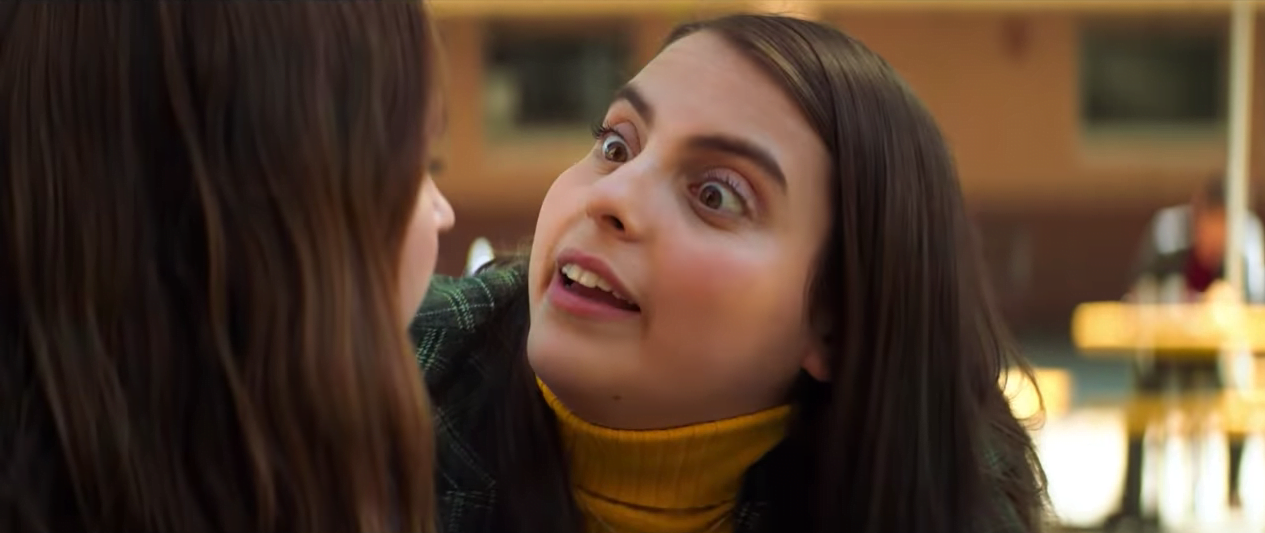
But I was also deeply skeptical. I'll talk about why, so stay tuned.
Here’s my report...