
A memorable evening with John Williams’s biographer
On January 8, I interviewed Tim Greiving about his extraordinary journey to becoming the first biographer of the great John Williams.
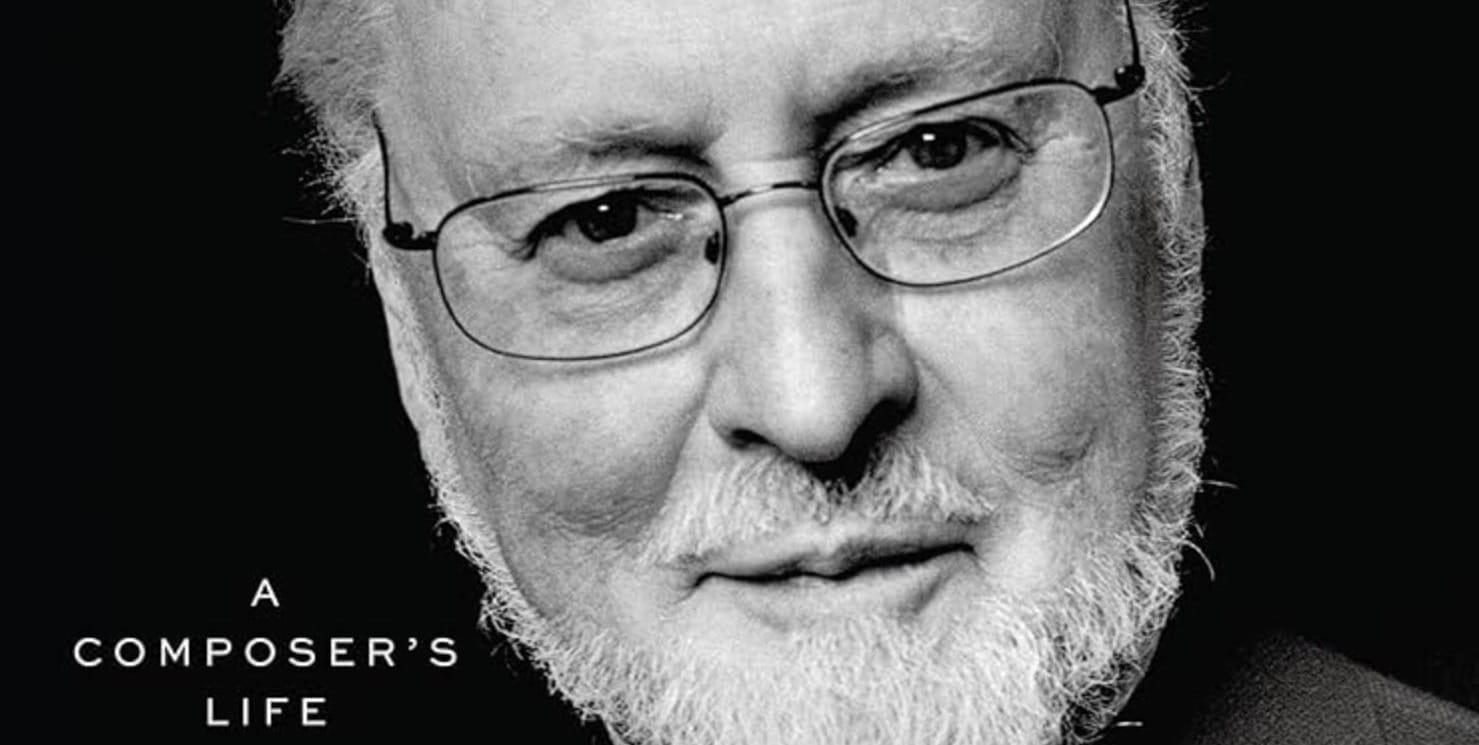
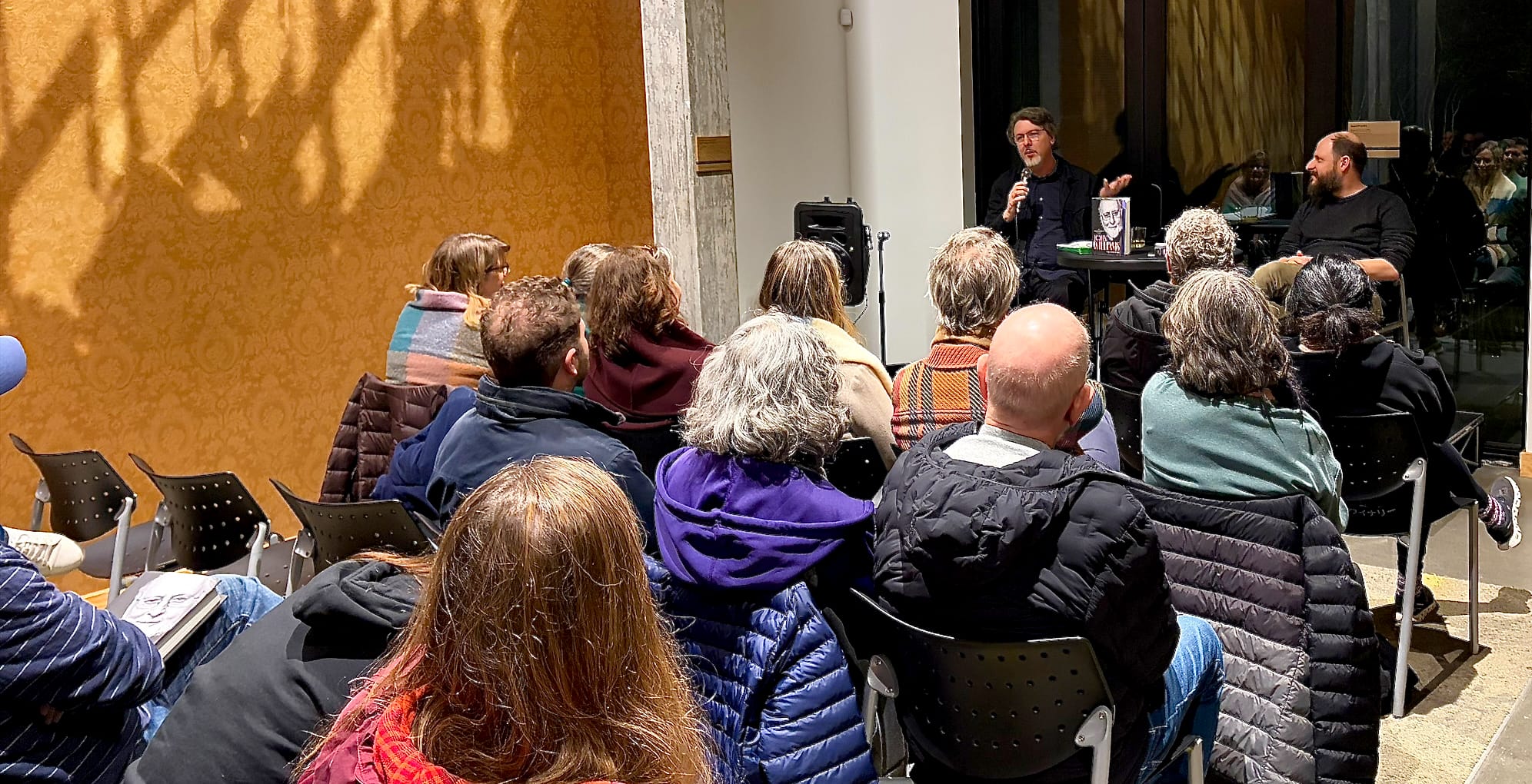
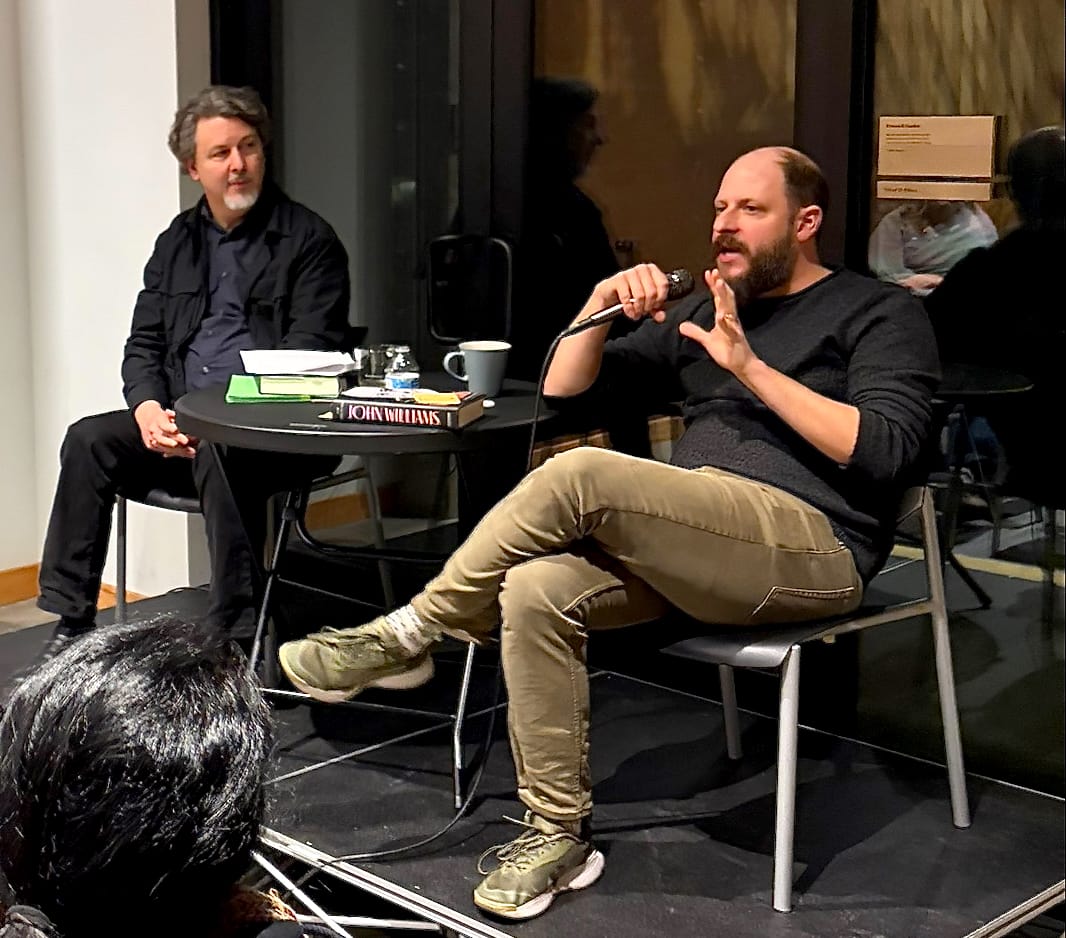
On Thursday, January 8, at the epicenter of Seattle’s literary culture, The Hugo House, I had the privilege of interviewing Tim Greiving, a journalist and historian whose writing about film music I have admired for many years now, about his dream come true: his very own biography of his hero. Every chair in the room was taken — and they added more as the evening went on — and nobody left early, as the conversation and then a Q&A ran well over an hour.
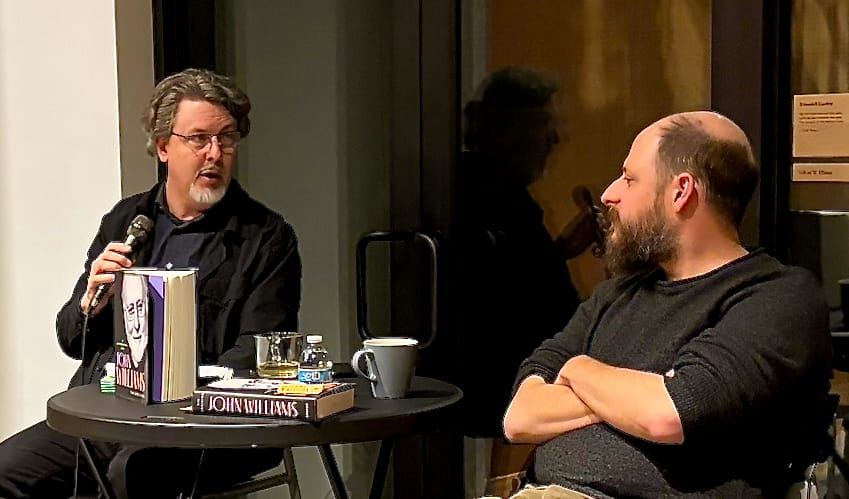
Maybe you’ve encountered Greiving's work as a writer for NPR, The Washington Post, The New York Times, or The Criterion Collection. He has composed liner notes for hundreds of film scores, interviewed a galaxy of movie stars and filmmakers, and distinguished himself by his professionalism as a journalist, his humility, his attentiveness, and a rigorous dedication to research and writing. His integrity opens doors, doors that won’t open for others.
And it was in this way that he began circling his favorite artist, John Williams, the most beloved and accomplished film score composer of all time, drawing nearer and nearer by gaining the attention and trust of Williams’s colleagues and family members.
Perhaps you’re surprised to learn that there hasn’t already been a book like this — I certainly was. That’s because Williams didn't really want such a thing to exist, at first. And, at age 93, he’s very hard to reach.
But Greiving’s conversations with Williams’s colleagues and family got them talking, and soon, the great man himself became curious. Tim got a call, an invitation to meet with the maestro. He didn’t know what to expect. Was this going to be the end of the road? Would Williams tell him, to his face, to give up his passion project?
But the conversation went well — so well, in fact, that Williams made an impressive discovery about his own family history as he considered Greiving’s research so far. So it was that one of Williams’s lifelong listeners and admirers earned his trust. What had begun as Greiving's aspiration to produce the first unauthorized biography of the great man (if that was the best he could do) turned into, beyond his expectations, the first authorized biography.
And it is a compelling volume, an education in film history from a distinctive vantage point, full of surprising stories, including a great love story that might help fans of Williams’s film scores understand better just how he is able to tap into such deep wells of emotion in moviegoing audiences around the world.
John Williams: A Composer’s Life is a great book, an exemplary work of research, and a journey that will enhance your experience of music and movies. I began reading it as fast as I could to prepare for the interview, and I realized right away that this was not the ideal pace for enjoying such a work. I want to take my time and savor it. So I focused my interview on the opening chapters, the chapters of Williams’s story that lead up to his first encounters with Steven Spielberg and George Lucas. And those chapters contain stories worthy of being made into dramatic, inspiring movies themselves.
Our conversation only scratched the surface, as the author reflected on the experience of drafting the whole book before ever meeting with Williams, and then the exciting work of revising through the course of their many conversations. He pondered the influence on the maestro’s own music of the jazz music that his father had played in many different bands. He praised Williamss work ethic (he describes him as “a virtuoso of self-motivation”). And he amazed his listeners by listing just how many different instruments Williams learned to play (and play well!)
Perhaps the most engaging part of our conversation was Greiving’s recounting of the circumstances surrounding the death of Williams’s first wife Barbara, and how that changed the composer’s artistry. Greiving quotes Williams in the book: “As a composer, I felt suddenly so much stronger. I don’t know why that is. What I used to tell myself is that she was helping me from someplace else, and that I felt a new assurance, and a new power, and a new . . . something.”

I hope you’ll pick up a copy of John Williams: A Composer’s Life. It will open up so much music that you already know and make it a richer experience. It will lead you to great music you’ve never heard before. It will help you understand and appreciate the jazz bands, the composers and popular artists, and the film scores that influenced Williams. It will give you a grasp of just how much Williams’s music has changed the world we live in. And you will learn from Williams’s provocative philosophy about humankind’s collective memory, and how music can unlock within us the streams of experience that unite us with one another and with generations past.
As the novelist Robert Clark, my longtime friend and mentor, likes to exclaim whenever he reads something exemplary — “That . . . is how it’s done!”