Overstreet’s Favorite Films of 2025: Honorable Mentions
Here is the opening post in my series of posts on my favorite films of 2025. This post will include films I've listed as Honorable Mentions, along with video commentaries, some written notes, movie posters, and trailers for the films.
Here and now, on March 15, 2026, the day of the Academy Awards for the films of 2025, I’m posting about more than 40 films from last year that I admired, learned from, and loved.
As I do, I will post some brief video commentaries. I’d rather write the commentaries, and refine them to a standard that makes me comfortable. But I’m resorting to the convenience of video because the demands of my day-job (well, it’s a day-and-night job, in truth) do not allow me time to write much of anything right now. I have to, against my better judgment, prioritize efficiency over artistry if I want to post anything at all. Bear with me!
Honorable Mentions
(in special categories)
CATEGORY:
Women Striving to Hold On to Places, People, Ways of Life
My Favorite Films of 2025 List looks likely to include more directors who are women than ever before. I hope this trend continues. Here are a few made by women, focusing on the experiences of women, that should be essential viewing for all moviegoers — perhaps especially the men who would benefit from attending more closely to art about experiences different from their own.
Overstreet shares a few words about the films in this category.
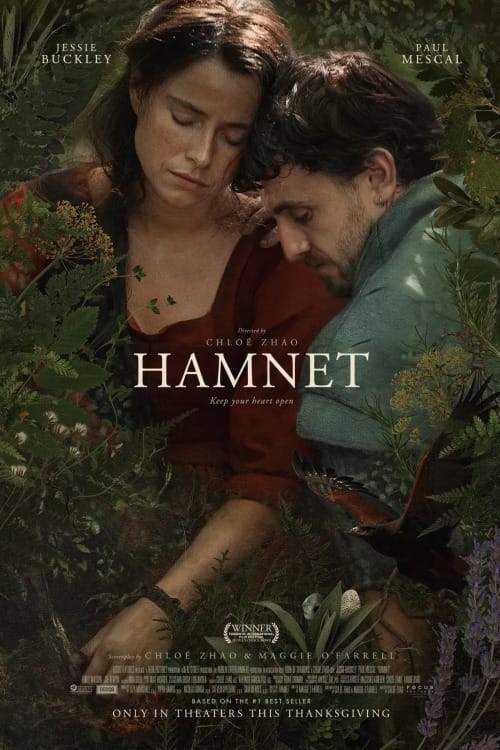
Hamnet
director: Chloe Zhao | writers: Zhao and Maggie O’Farrell
Notes:
- What I wrote upon seeing this film for the first time on November 30, 2025:
I'm going to need some time on this one before I know how to express what I'm feeling. But when has that ever stopped me before? Here are a few clumsy words.
I couldn't be less interested in how much or how little the story told here aligns with The Tragedy of Hamlet, Prince of Denmark. That is not what this is about.
Artists work through their conflicts and questions in art by "telling it slant" — but no, not even by telling it. They question, and they question indirectly, abstractly. They explore possibilities. They suggest.
My fantasy novels are not an allegory for the traumatic betrayals I had recently suffered when I wrote them, nor did I mean them as a political allegory or a critique of bad religion — and yet I was wrestling with all of those things as I wrote. My deepest sufferings and joys and fears and hopes are all bound up within the threads of those tapestries.
Spielberg didn't make Close Encounters of the Third Kind to tell us about the conflict between his mother the musician and his father the computer scientist, but his longing for their reconciliation runs like a deep river through that film.
This is an exercise in "What If?" What if some of the most powerful and profound poetry ever written was, in part, Shakespeare's way of grieving personal losses? Surely, that's part of a vast and complicated truth. Surely, he was also wrestling with the realities of political corruption. Surely, he was celebrating the power of art to change hearts and minds. ("Give me some light!") It's easy to believe all of this was true. This film, with its focus on the character of Agnes, devotes itself to imagining how a family tragedy might have been a river that "fed the lake" of Hamlet. (Leave the political and cultural influences to the imaginations of other artists and scholars.)
But even more than that, this is a film about how art can, by not confronting us directly with the cold hard facts of what we've suffered, but rather by inviting us into the sufferings of others like us in the realm of imagination, unlock dammed up torrents of emotion in ways nothing else can. A play like Hamlet can, like the Mass on Sunday morning, help us walk through the valley of the shadow of death by drawing us out of our caves of isolation and into communion, where we find that all creation is groaning together, yearning for the reconciliation of all things.
Today, watching Hamnet, I grieved a dear friend who is dying, and I grieved for her husband who is broken over this. I grieved again the loss of a very young nephew who died after suffering a catastrophic injury in an accident at home in the presence of his parents and young siblings. I still shake when I recall that, and I cannot fathom what his parents and siblings feel, as I was far away at the time. I grieved the loss of a niece who her family only knew for a few fleeting days. As I have never been a father and lost a child of my own, I cannot imagine the grief that parents feel when they lose a child.
It would be hard to imagine that the poetry of William Shakespeare could come to life through his pen without him being intimately acquainted with horrific losses. Hamnet dares to imagine what it could have looked like. It gives us a man and a woman who are deeply in love, who embrace the glory and the trouble of nature in ways that unsettle those around them, and who raise a family to love each other and the world. When tragedy comes to them, I am not thinking about the historicity of the Shakespeare on the screen — I am thinking, Yes, it was probably something like this — events common to humankind, the great and the terrible, kindling within the heart of an artist visions that become a way through which he gives shape to his grief. And the visions he offers then invite others to take steps forward through the shadows of their own griefs. Perhaps these lines might have even comforted those who shared his griefs, maybe even a woman he loved.
More than that, I am thinking, Yes, I know grieving mothers who find in art — in theatre, poetry, and music — vocabularies with which to move through their own grief. In art, they can transcend a time and a place and touch something holy, something eternal. This medicine is provided sometimes by strangers they will never meet but who have returned from the wilderness of the imagination with gifts that resonate with rumors of glory.
I can't remember the last time I heard so much quiet weeping in a movie theater. I mean, I've heard teenagers crying over teen melodramas. But this was an audience most of whom were my age or even much older. They weren't grieving anything at all about the historical Will Shakespeare. I cannot know what they were grieving. But Zhao — and Shakespeare, some of whose lines do heavy work here — provided gifts for them that unlocked what needed some release. Thus, the applause. Thus, the emotional conversations and embraces in the corridor afterward.
The film critic in me will probably, eventually, be ready to admit that some things here and there might not have been the most inspired of Zhao's filmmaking decisions, just as I eventually do with other works that move me. (I mean, my initial reviews of The Tree of Life were decidedly mixed, and I haven't changed my mind about any of those misgivings, even though I cannot bear that film without my heart breaking and my faith renewed.) But it seems almost inhumane to me to bother with such quibbles right now. And anyway, even more than anything related to Shakespeare, I am so impressed with what Buckley and Mescal offer us here in performances that convince me in both their subtleties and their grand gestures. As with Train Dreams just a few weeks ago, I come home from the theater deeply moved and grateful for artists, for cinema.
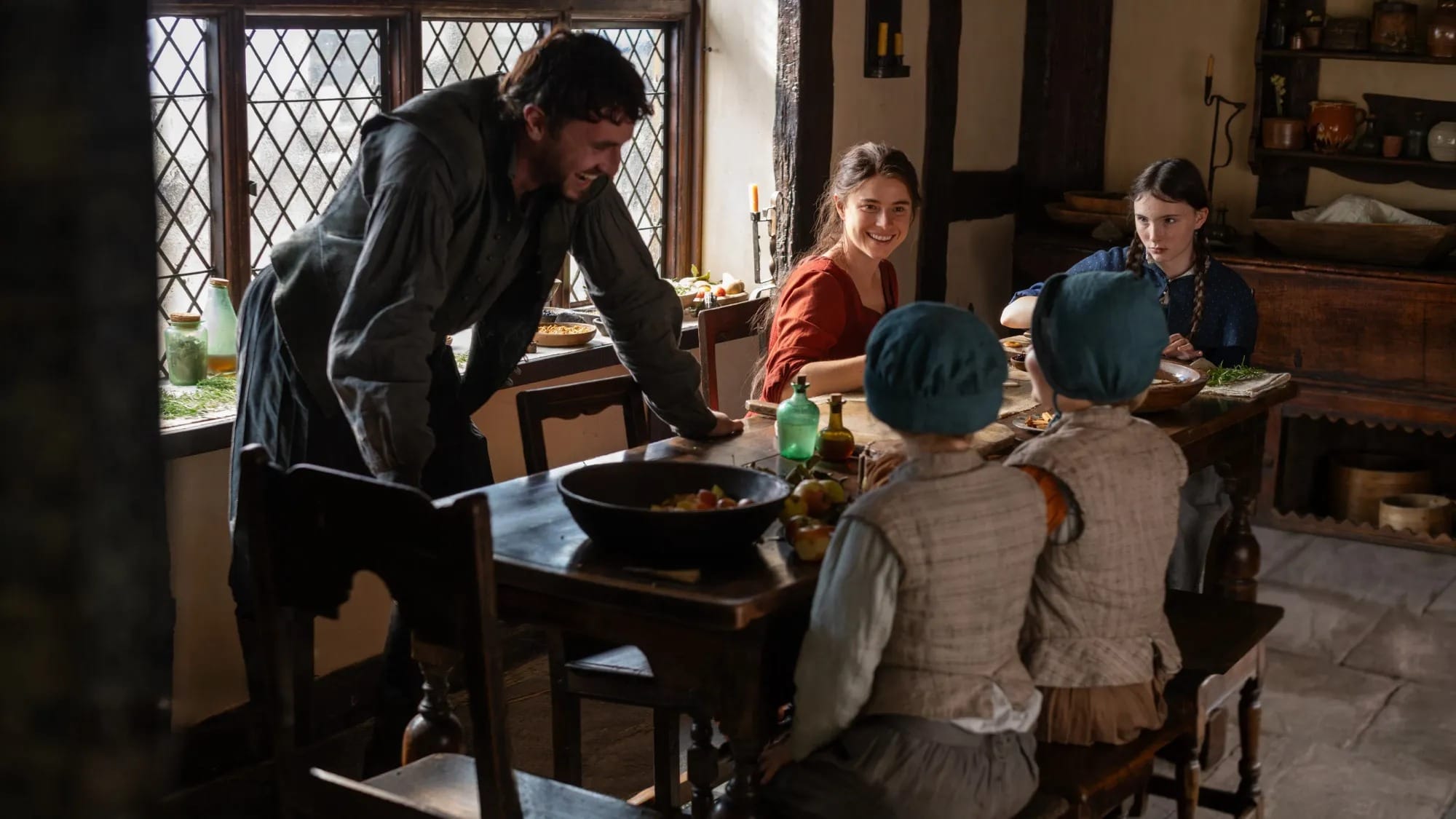
- What I wrote several days later:
While I haven’t had time to revisit this film in the theater yet — I plan to — I feel I've been replaying it in my mind’s eye as a storm of conversation has been stirred up by its big night at the Golden Globes. I find myself wanting to protect it from the caustic attention that such controversial “victories” can cause, even as I am finding more clarity about why I don’t think the film is as strong as it might have been. I'll write about that after I see it again.
The reason I’m posting again is that I found myself quoting Virginia Woolf in one of my lectures on storytelling last week, and realized that these words feel particularly relevant to the cultural conversation about Hamnet. So, I'll hand the mic to Ms. Woolf:
“For though we say that we know nothing about Shakespeare’s state of mind, even as we say that, we are saying something about Shakespeare’s state of mind. The reason perhaps why we know so little of Shakespeare — compared with Donne or Ben Jonson or Milton — is that his grudges and spites and antipathies are hidden from us. We are not held up by some ‘revelation’ which reminds us of the writer. All desire to protest, to preach, to proclaim an injury, to pay off a score, to make the world the witness of some hardship or grievance was fired out of him and consumed. Therefore his poetry flows from him free and unimpeded. If ever a human being got his work expressed completely, it was Shakespeare. If ever a mind was incandescent... it was Shakespeare’s mind.” — Virginia Woolf, A Room of One’s Own
I have no problem with storytellers who want to imagine and propose possibilities about personal experiences that might have influenced Shakespeare’s creative writing. But I think it’s naive to watch a movie of speculative thinking like this and come away thinking “So that’s what Hamlet is really about!’
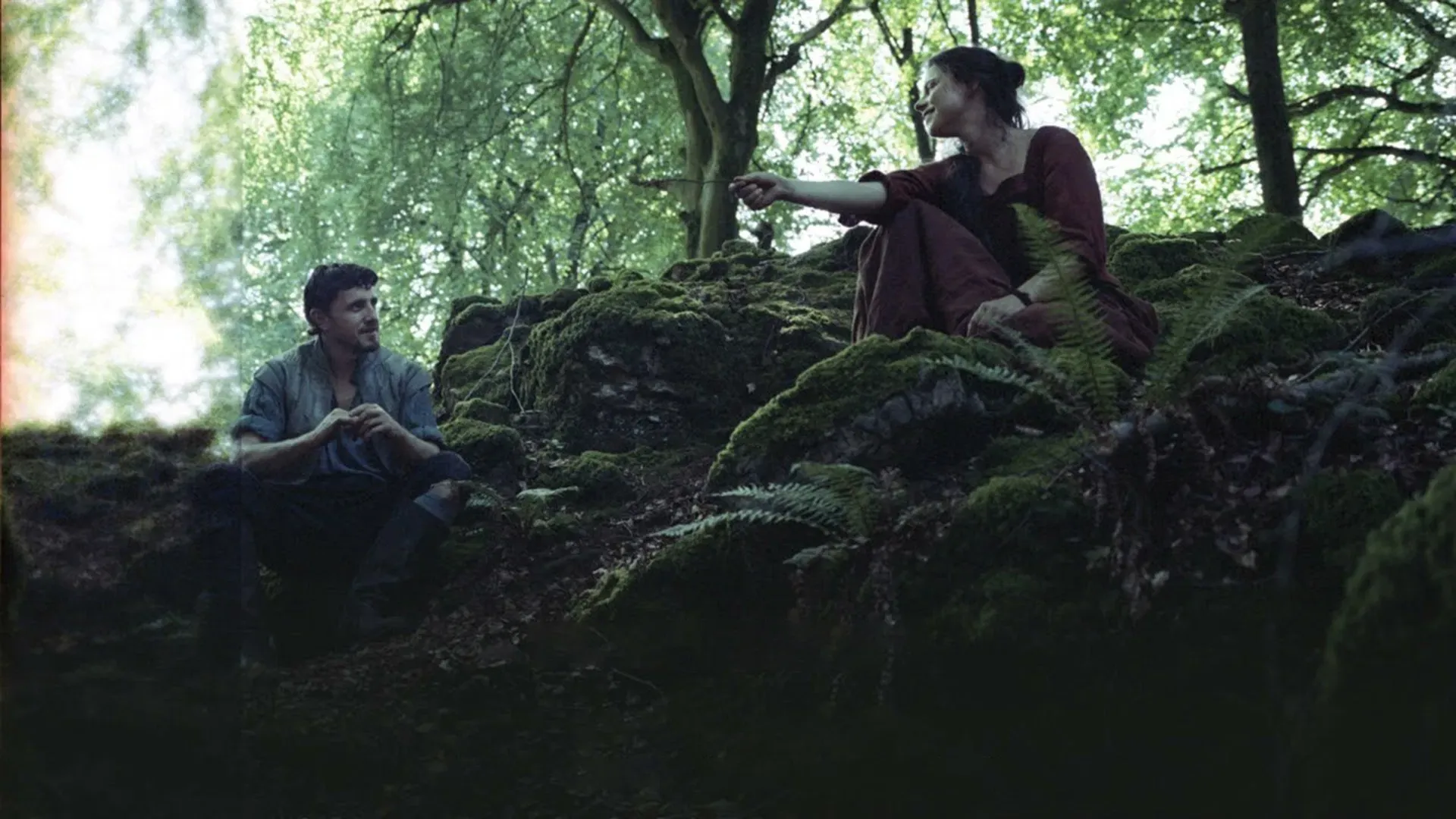

East of Wall
director and writer: Kate Beecroft
Notes:
- Writer/director Kate Beecroft lived among the family and the staff of Tabitha Zimiga’s ranch in South Dakota, where Zimiga trains horses even as she provides a home for troubled teenagers and gives them grace while they learn life lessons. While it’s easy to see that creative decisions are being made behind the scenes to give this some narrative shape, the method works in giving audiences a strong sense of what’s going on here, who Zimiga is (she plays herself here, as do many other non-professional actors), how difficult but how meaningful her investment in horses and teenagers can be, and how hard it is to prioritize caring and loving one’s neighbors in a world of increasingly heartless capitalism.
- Once in a while, I really need to see horses, beautifully filmed, running full speed across a big screen. This scratches that itch.
- The movie stars here, strong as they are, are easy to spot amongst those who are basically playing versions of themselves. Jennifer Ehle has been, for a long time, Meryl Streep without the hype or the burden of Legacy, but you can see the Acting in what she's doing here among people of such vivid scars and hardships. And Scoot McNairy toes the line of Stock Villain here, although he has some surprising, understated moments that redeem the character.
- Made me wonder how Terrence Malick's filmography might have been different, stronger, if his characters' voice-over narration had sustained the texture of distinctive characters, as we hear in Days of Heaven, instead of flattening into simplistic and often obvious soul-speak.
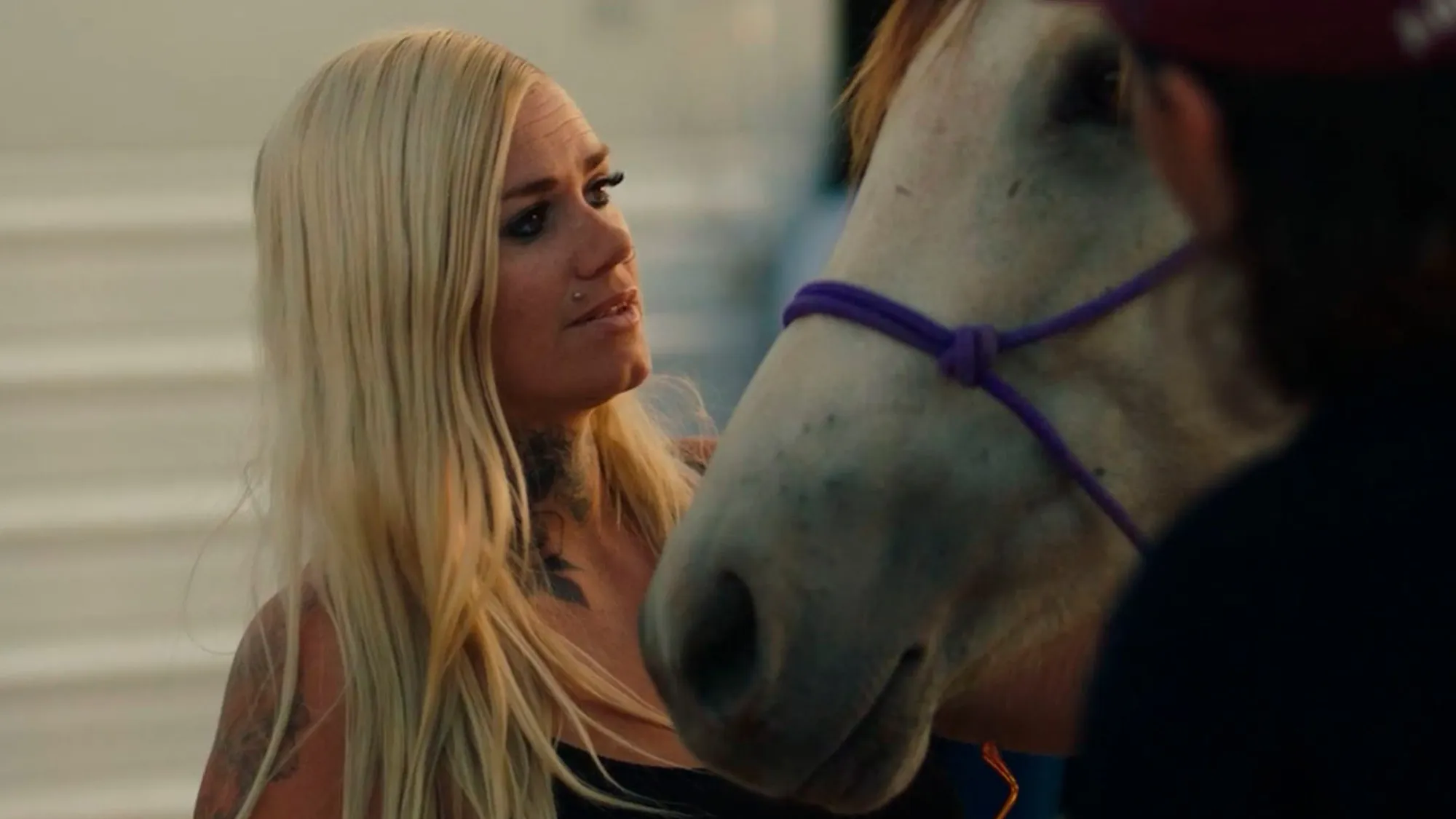
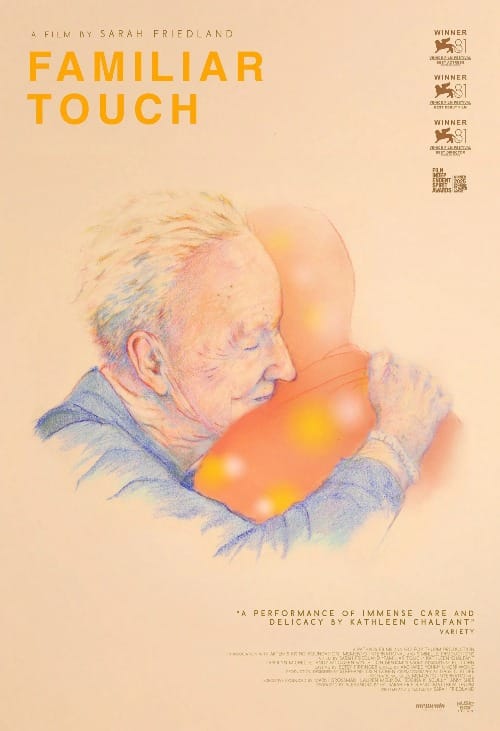
Familiar Touch
director and writer: Sarah Friedland
Notes:
- I recently lost my mother-in-law to Alzheimer’s — some long and severe years of dementia. And more recently I lost my father to an excruciatingly cruel brain cancer. It took some willpower to sit down and press PLAY on this movie, as there are scars from those experiences that time probably won’t heal.
But I needn’t have worried. Sarah Friedland’s film isn’t on a mission to stage any spectacle of terror and trauma. This is about quieter scenes, and a woman experiencing a much more incremental decline. There is such beauty and tenderness here, and much more visual imagination than I anticipated. This would be a trajectory that we might all hope for, in view of how difficult these things often are. (Even The Father, which won Anthony Hopkins a Best Actor Oscar, avoided some of the common extremes.)
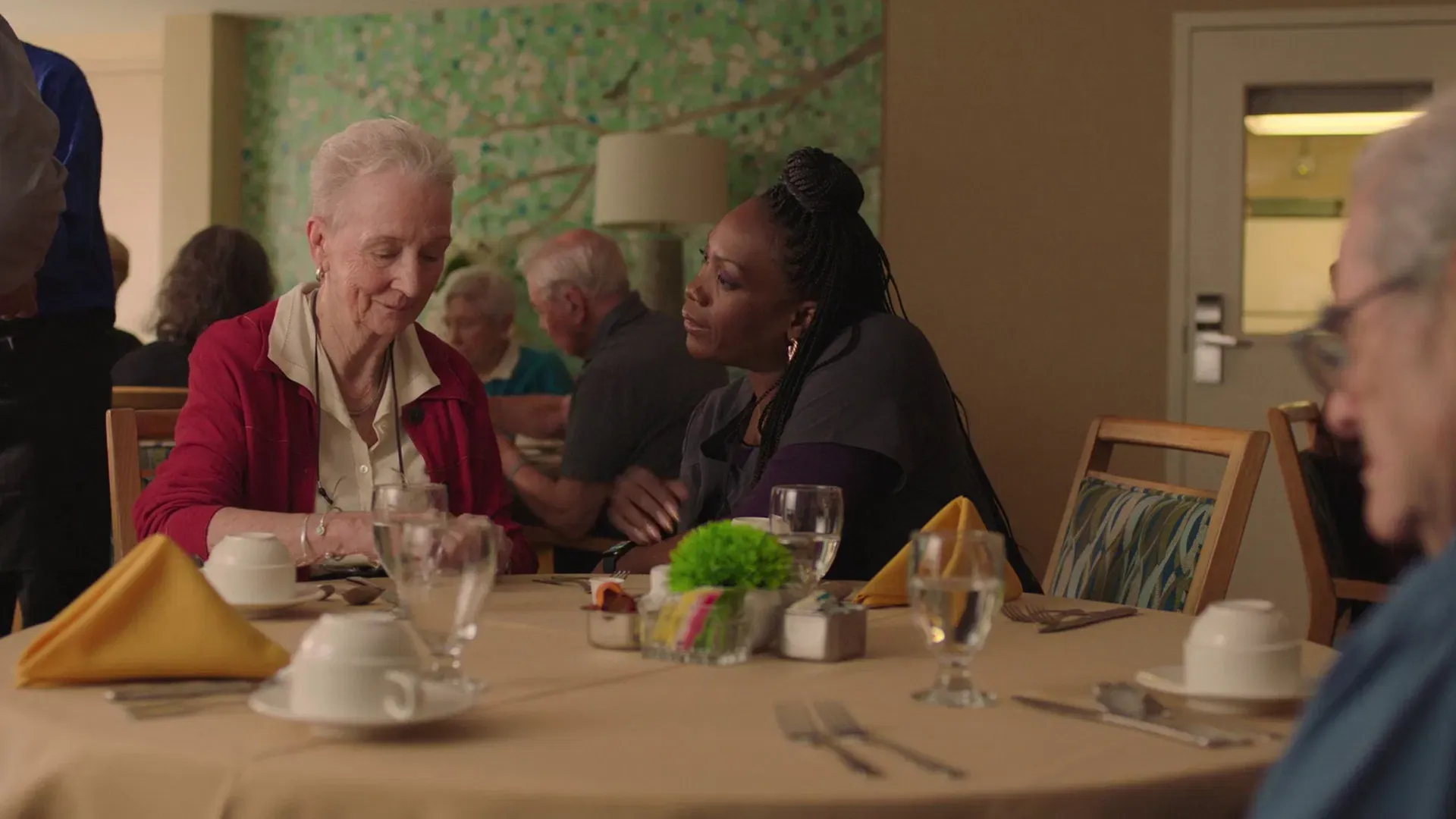
I would ask, respectfully, that everyone watch this the day after Jessie Buckley wins her Oscar, and then ask themselves, “Why do we bother with such subjective ceremonies?” Kathleen Chalfant’s performance is just masterful here, honoring those who must give up so much freedom and pride in surrendering to assisted living care, and doing so with such honesty and grace. It may not be the most acting we saw from an actress this year, but I think it’s some of the most magnificent.
The film is also a moving tribute to caregivers and assisted living professionals. The supporting cast are so warm and appealing that we have to assume Ruth has landed in a very good care center indeed. (I’ve seen examples of this generosity, and I’ve seen the opposite.) As the Oscars take place while I’m posting this, I'm thinking about how much better the world could be if we redefined who the real local heroes are.
Category:
Comedies Worth Seeing More Than Once
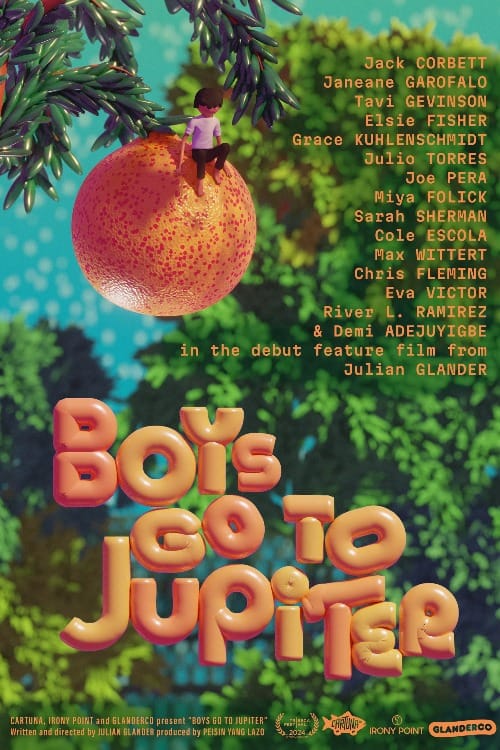
Boys Go to Jupiter
director and writer: Julian Glander
Notes I posted when I first saw it:
- A Town Called Panic + Napoleon Dynamite + Over the Garden Wall + Los Espookys … plus a touch of The Florida Project?
It may not be as transcendent as any of those, but it’s got some of the personality of each — if you’d told me that this was written and directed by Julio Torres, I would’ve believed you — and it’s the kind of playful, palate-cleansing absurdism that can help me put the disappointments of the summer movie calendar behind me.
Looks like the animation budget was about one frame’s worth of a Spider-Verse movie, but makes the most of it. And it’s also the most fantastically quotable movie of the year?

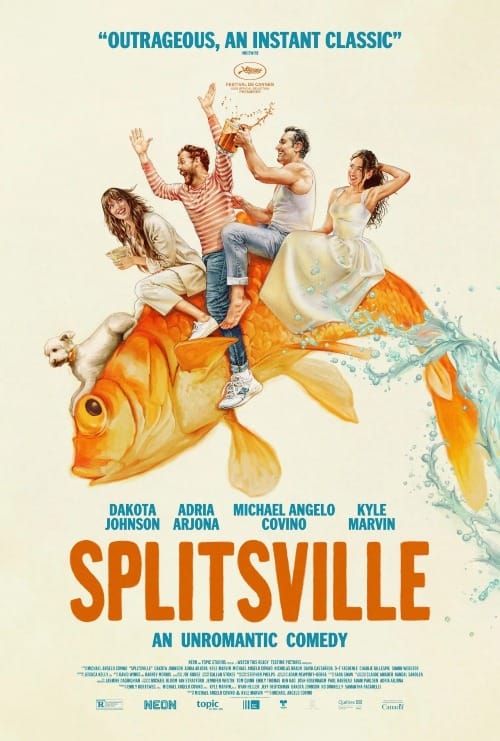
Splitsville
director: Michael Angelo Covino | writers: Covino and Kyle Marvin
Notes I posted after seeing it for the first time:
- There is a scene involving goldfish and a rollercoaster that is one of the funniest things I have ever seen.
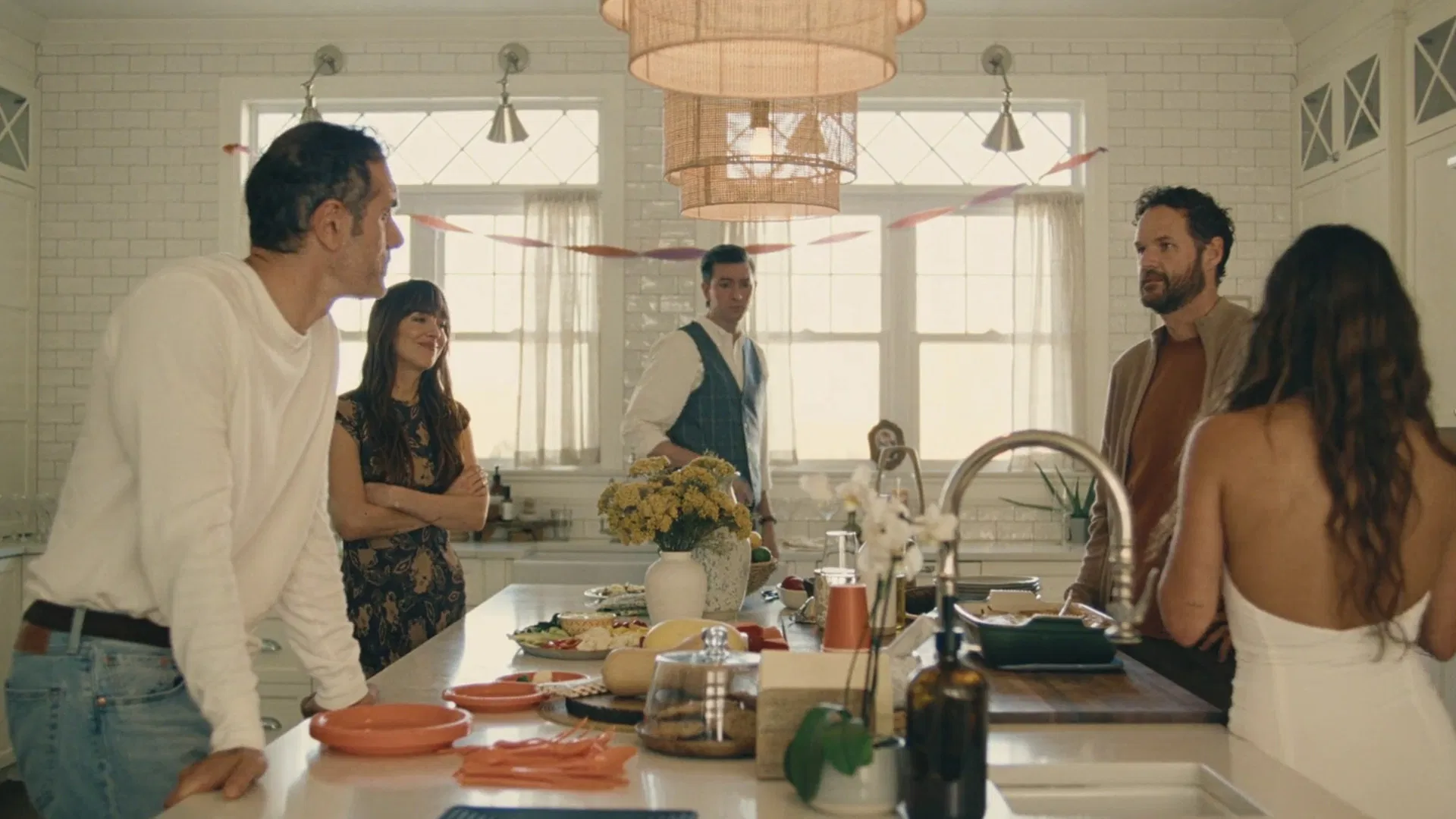
- Comedy of the year. It’s as strong almost all the way through as Friendship is in its best moments. We’re laughing at the flagrant foolishness, recklessness, and emotional immaturity of people who are, let’s face it, altogether unequipped to have healthy and meaningful marriages—but it’s not mean-spirited comedy. This movie loves its characters and wants, ultimately, to see them learn something (anything!) and benefit from it.
And if you want it to seem even funnier, do what I did and try to watch The Roses beforehand. By contrast, this is just one sensational scene after another. - I would like to see many more movies from Michael Angelo Covino and Kyle Marvin, please. They’re fearless. Marvin, in particular, is a joy here; he has some of the same endearing oafishness that makes John C. Reilly such a consistently enjoyable screen presence, And I appreciate how, even though Splitsville casts these two idiots in contrast to two of what 2025’s Pop Culture has dubiously crowned “the sexiest women alive,” it never becomes sexually exploitative with them. (In fact, this movie may set some kind of record for full-frontal male nudity in an American comedy in the 21st century?)
- Maybe the best way to get me to enjoy a Dakota Johnson movie is to add Adria Arjona. Johnson’s very limited range continues to convince me that her stardom is as much about her parentage as anything. Arjona, by contrast, is showing serious genre-hopping agility. Don’t Blink inspired in me a furious disgust, but that wasn't her fault; she was very good in it, in Linklater’s Hit Man, and best of all in Gilroy’s Star Wars series Andor. She’s one of the only movie stars going right now who makes me want to buy a ticket to anything she’s in.
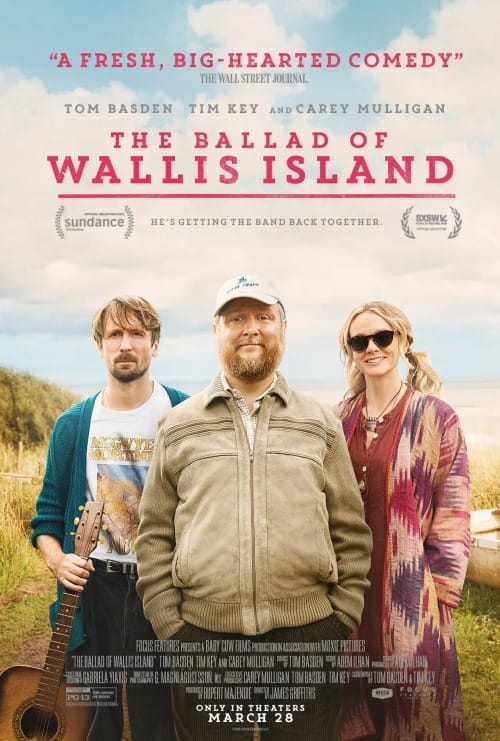
The Ballad of Wallis Island
director: James Griffiths | writers: Tim Key and Tom Basden
Notes I posted when I saw it for the first time:
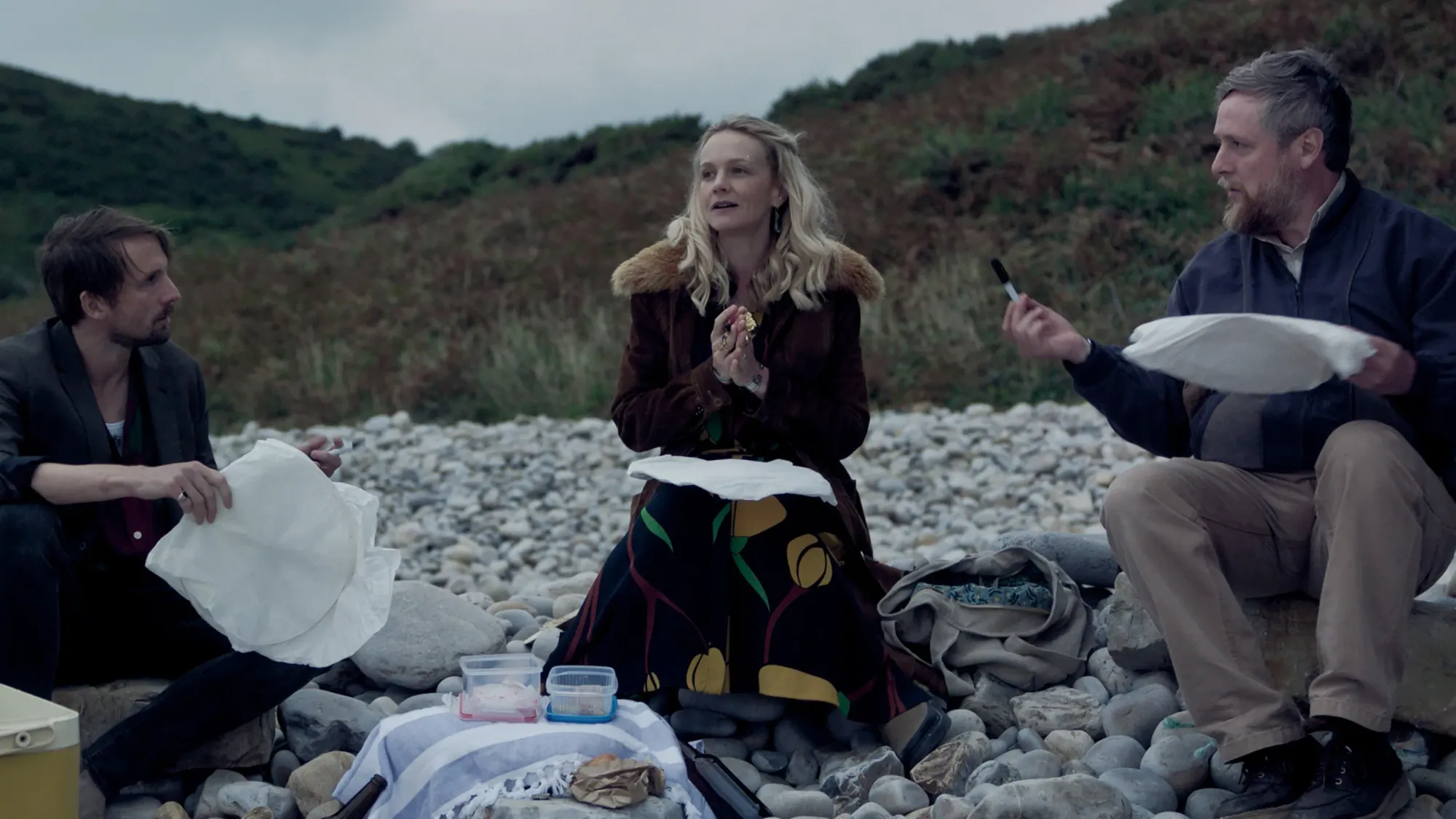
- Wouldn’t have thought Once meets Planes, Trains, and Automobiles could work, but this does. Well enough, anyway.
- For anybody who knows Tim Key’s comedy, this will be a joy. From Taskmaster to Off Menu, he’s one of the funniest men on earth. And his sense of humor has a perfect showcase here; the role of Charles is ideal for him. He co-wrote it with co-star Tim Basden, so that makes sense.
- I love its unhurried pace. I love that it does not go for an audience wish-fulfillment ending. I love its tendency toward truthfulness, so that even the sweeter moments never feel saccharine.
- But what I love it for most is that it assures me we haven’t lost Carey Mulligan to big Oscar-baiting, Capital-A Acting roles. This is what she does best: quieter, more understated human roles. She’s as effortlessly radiant here as she’s ever been, maybe more so. I will take one of these over seven or eight showier turns (Saltburn, Maestro, Promising Young Woman).
- I just wish the songs were stronger. That’s where the Once resemblance works against it. I’m never quite convinced that McGwyer Mortimer had enough genius together to be a big deal.
- Still, what a delightful escape from everything for 100 minutes.
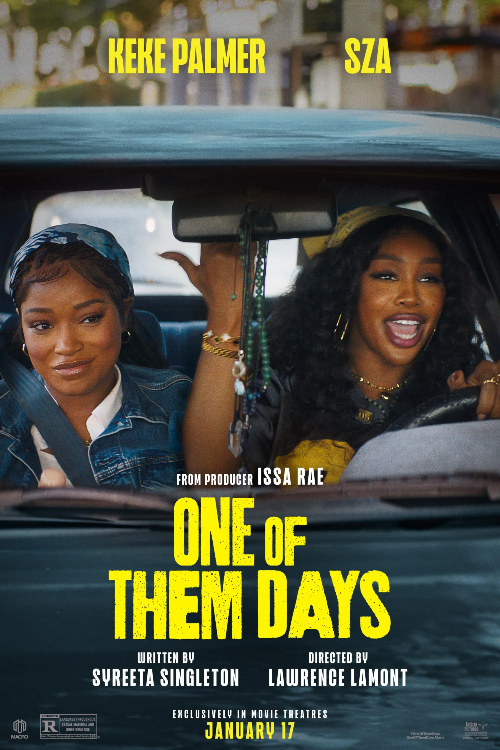
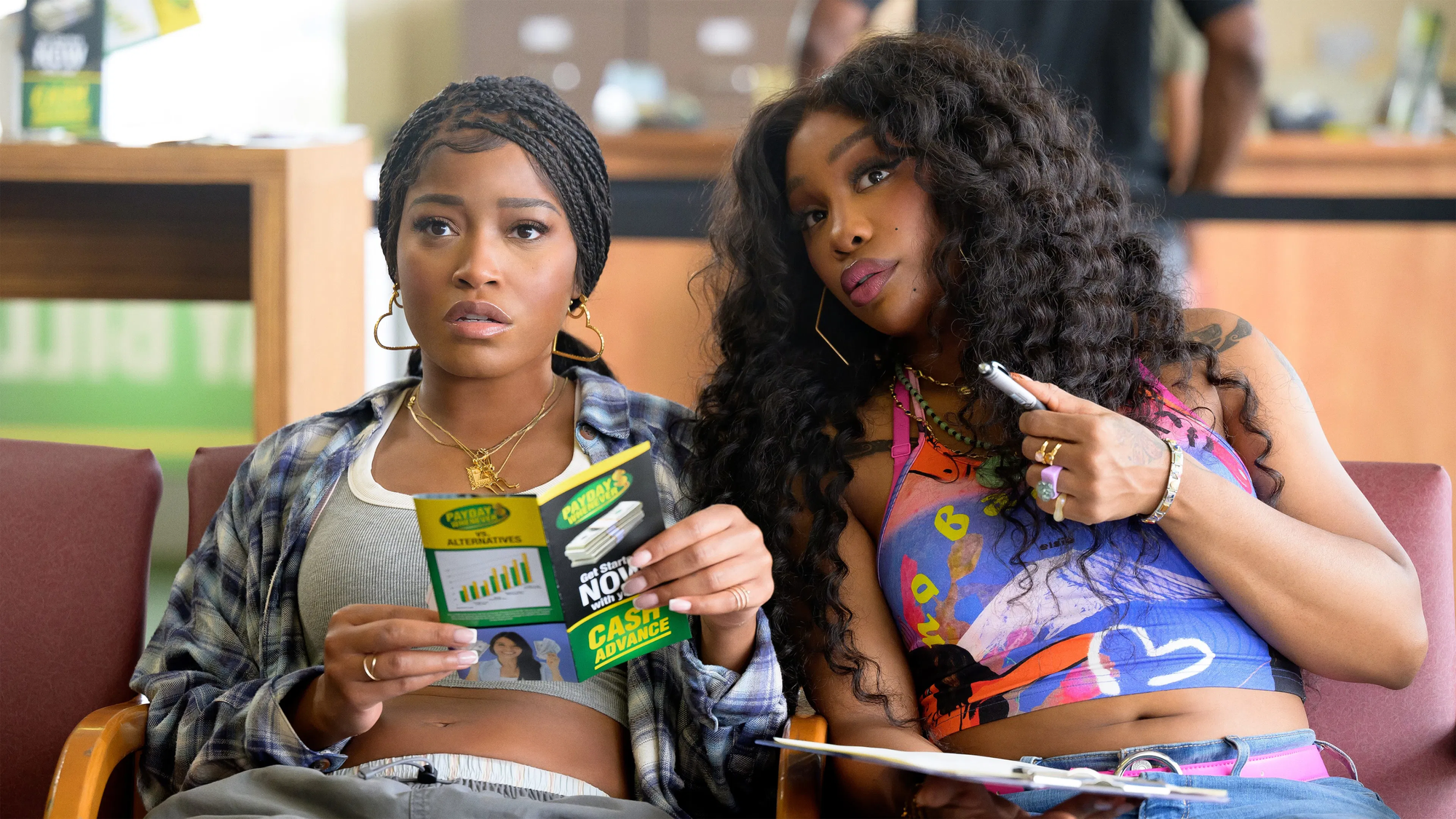
One of Them Days
director: Lawrence Lamont | writer: Syreeta Singleton
Notes I posted when I saw it for the first time:
- Franchise. Let other directors try to level this up each time. I’ll follow the team of Keke Palmer and SZA anywhere. I think I’m going to enjoy SOS even more now that I know SZA has this in her. In memory of the Wig!
The Naked Gun
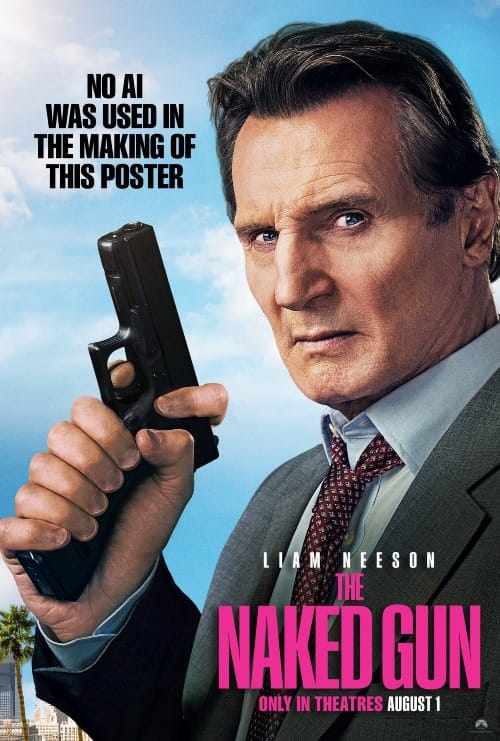
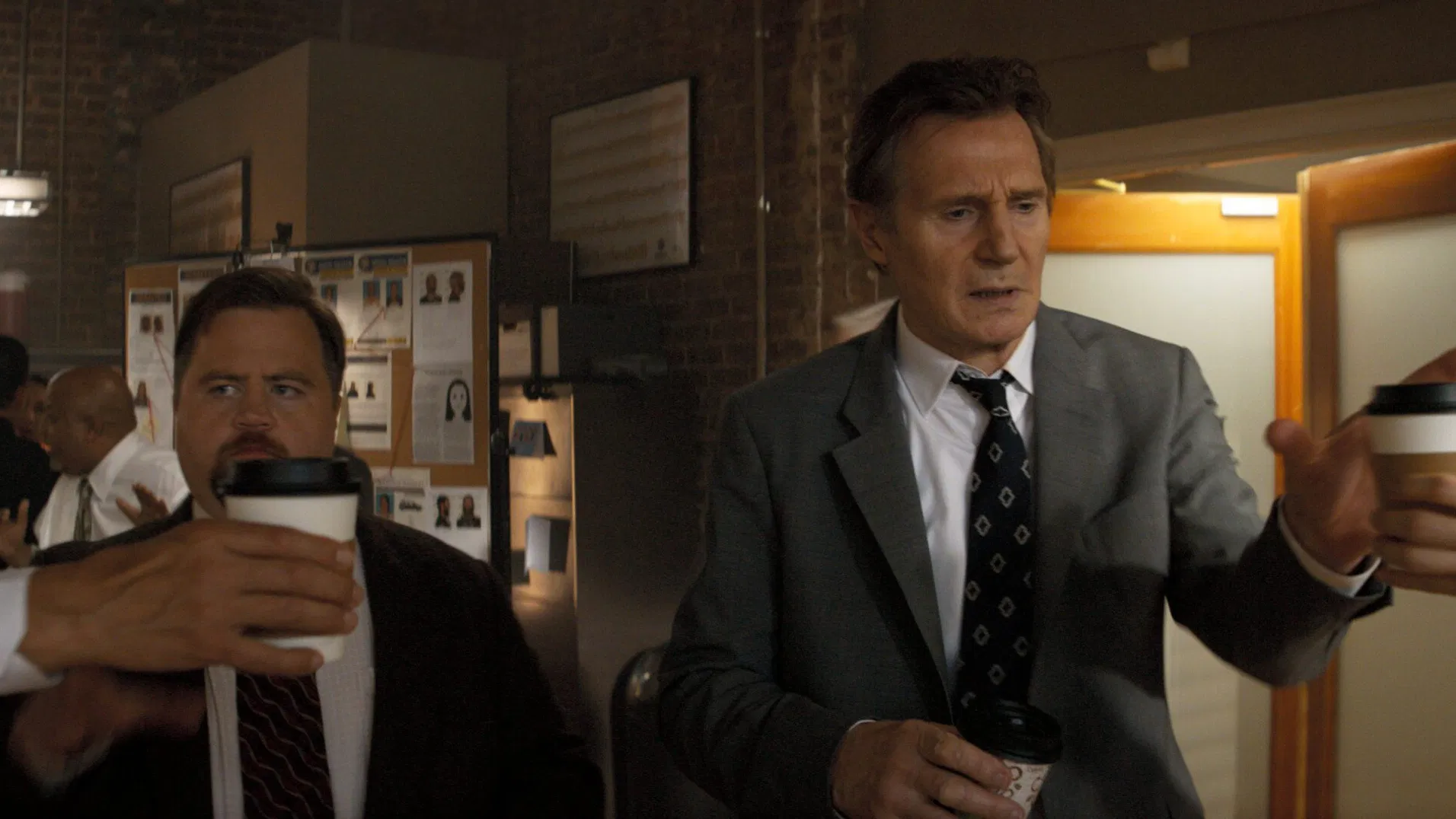
director: Akiva Schaffer | writers: Schaffer with Dan Gregor and Doug Mand
Notes I posted when I saw this for the first time:
- What a career. I first saw Liam Neeson as a hulking brute in an inadvertently laughable fellowship in one of the all-time sci-fi cult-classic B-movies: Krull. Look at him now, more than four decades later.
- I was doubtful that Neeson was the right guy for this. But he's such a natural here, his grim expressions always a perfect set-up for some outrageous gag, that I'm terrified I might suddenly chuckle inappropriately at any point during my next viewing of Schindler's List. And that's just not right.
- Best musical love-scene montage since The Muppet Movie in 1979. But, as with The Muppet Movie, most of the pop culture references are decades old and probably lost on anybody born post-Buffy. (Were they really so pessimistic that they assumed only 40- to 50-somethings would find this kind of comedy funny?)
- Still, for people my age, this has, right at the climax, the best needle drop of the year so far. A laugh-out-loud surprise.
- Best choice they made was to just play the Elon Musk villain as, well, crazy as Elon Musk without exaggeration. If anything, they dialed him down.
- Make several more please. It’s no Top Secret!, but this really calmed me up.
Category:
Master Directors Doing Masterful Work
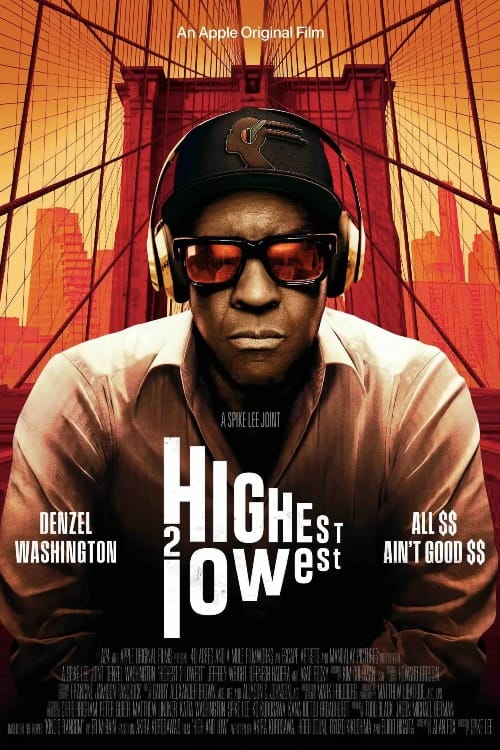
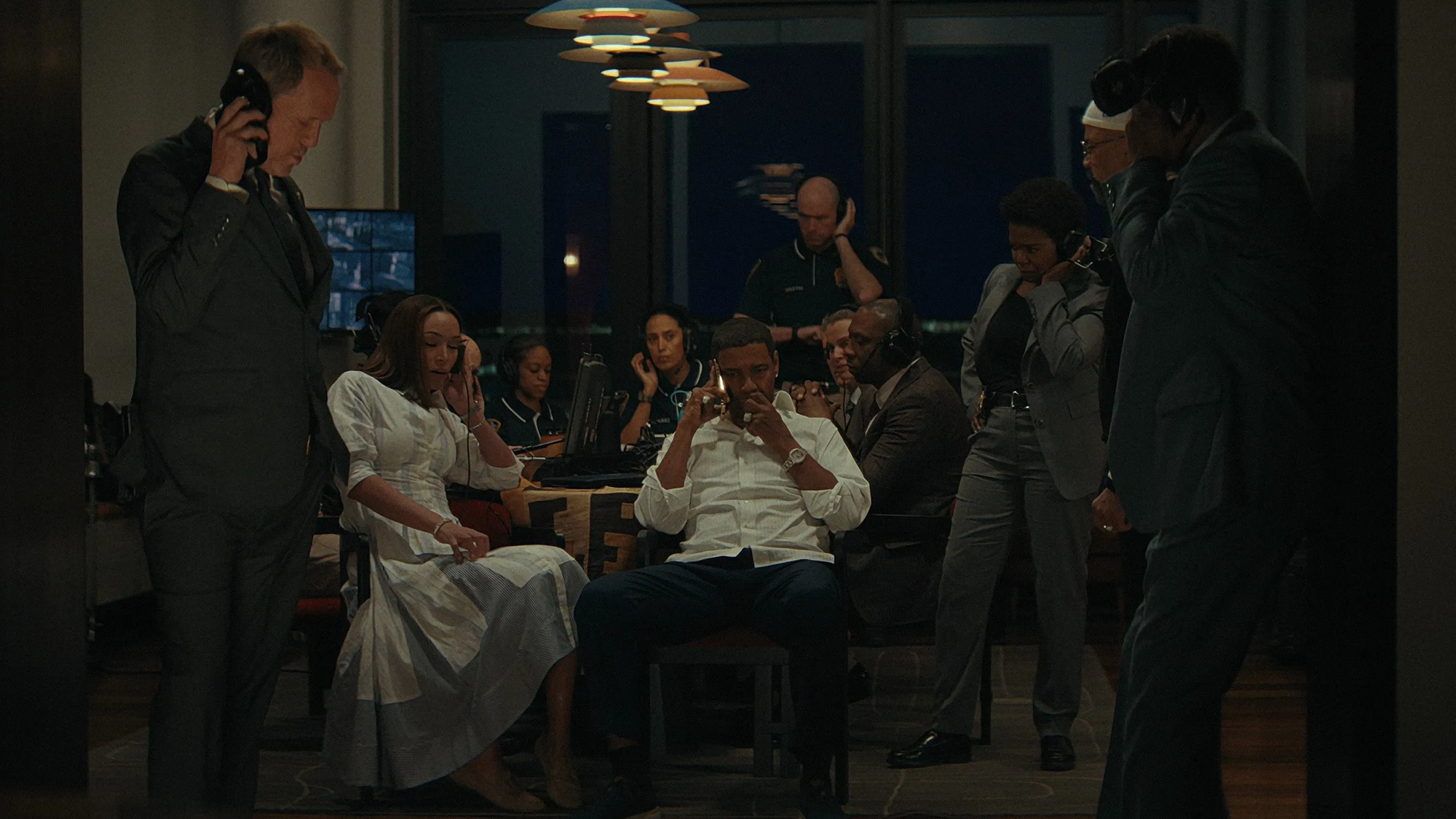
Highest 2 Lowest
director: Spike Lee | writer: Alan Fox
Notes I posted when I saw this for the first time:
- Came for the Spike/Denzel chemistry, stayed for Jeffrey Wright genius, and got the bonus of highly amusing jokes about insurance companies and mayhem, and a laugh-out-loud brilliant reference to a trending film studio.
- If you are here to see a strong remake of the Kurosawa classic, you may be disappointed. Spike Lee seems to love that film, but he’s not here to re-create it. He’s here to use it as a jungle gym on which to play and perform new variations of his best gymnastics moves.
- I thought about Bamboozled more than any other Lee film here, as Denzel’s King David plays like a variation on Delacroix. But I also thought a lot about The Phoenician Scheme. The movies have surprisingly similar themes and narrative arcs, both involving the moral reformation of a rich titan — a story that may or may not persuade or move you.
- I was lucky enough to see this at Seattle Cinerama – sorry, SIFF, I just can’t quit calling it that – and I’m so glad I did. This film has a shot that may be the most beautiful thing I see all year, one that unexpectedly recalls Close Encounters of the Third Kind.
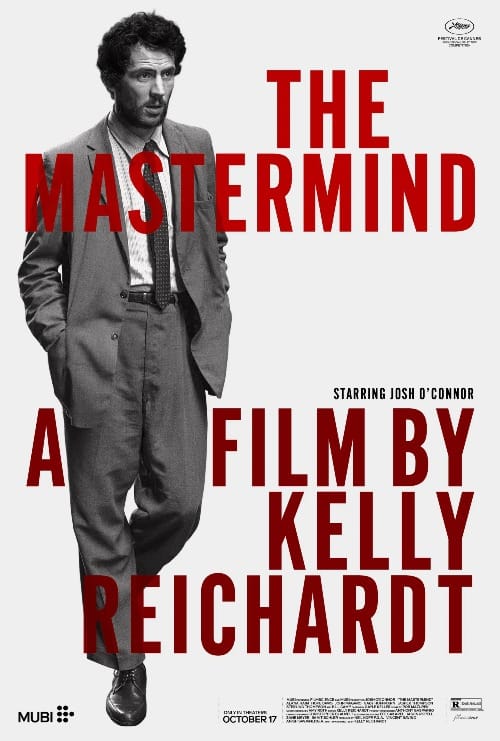
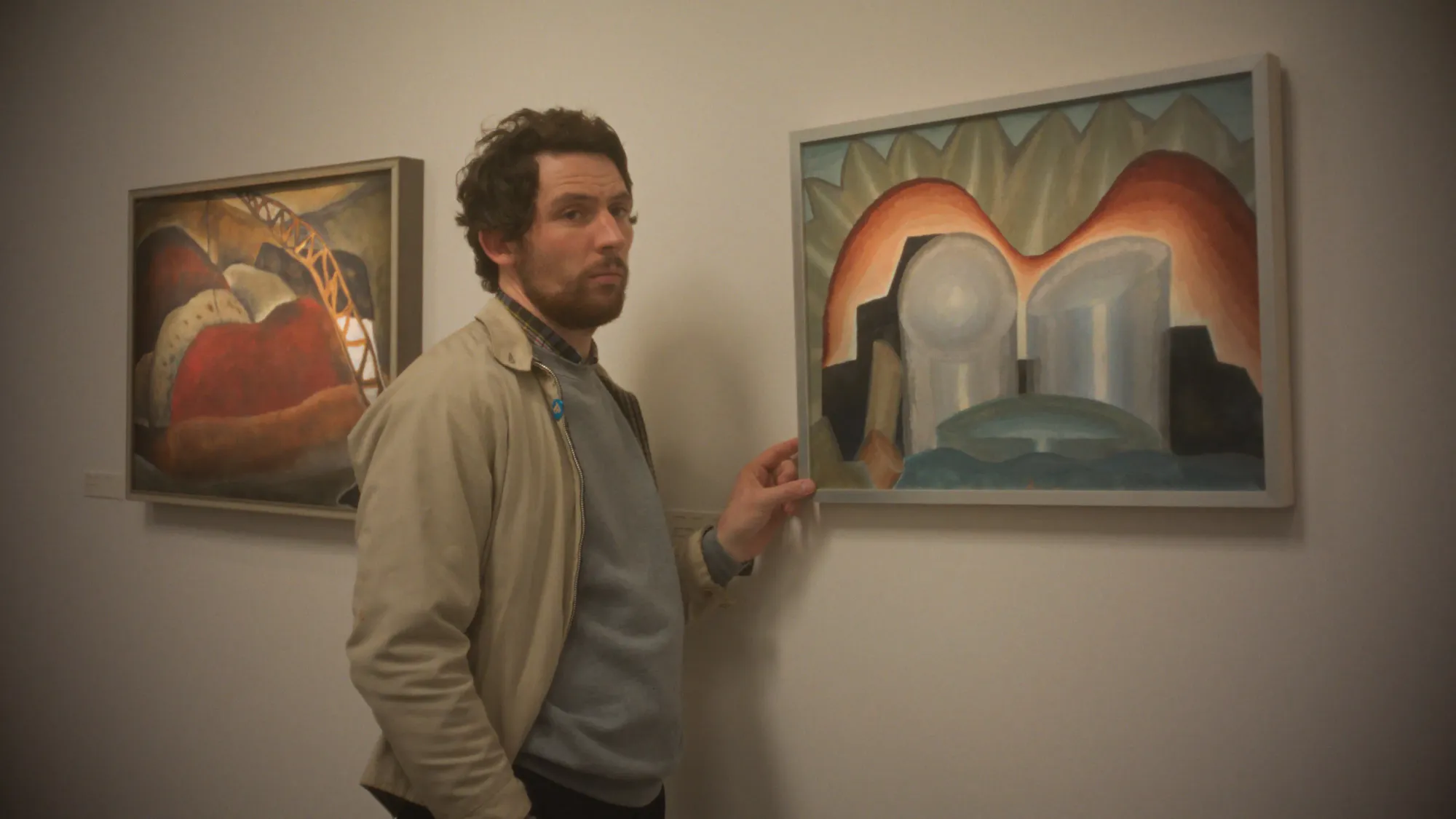
The Mastermind
director and writer: Kelly Reichardt
What I posted when I saw this for the first time:
- For Your Consideration: Amanda Plummer
- Is James Blaine Mooney the father of H.I. McDonnough? Now we know what Kelly Reichardt’s Raising Arizona would feel like. Really thought this was going to end with Mooney quietly putting the stolen property back where he found it.
- Thank you, Grand Illusion and SIFF for bringing this back for those of us Seattleites who missed its brief theatrical run earlier this fall. Looked like a sold-out show!
- Schlitz! Maybe our antihero’s most defining and damning characteristic: He is sold on the stuff.
- The John Magaro and Gaby Hoffman episode is so good, I wanted more time with them. Hoffman looks incredible here.
- Early ‘70s Philadelphia looks a lot like early ‘70s Portland. I guess it’s that Reichardt vibe. The cars. The streetscape signage. The clothes and hairdos. The wallpaper. The telephones and televisions. I was having flashbacks to everyday scenes from my early childhood.
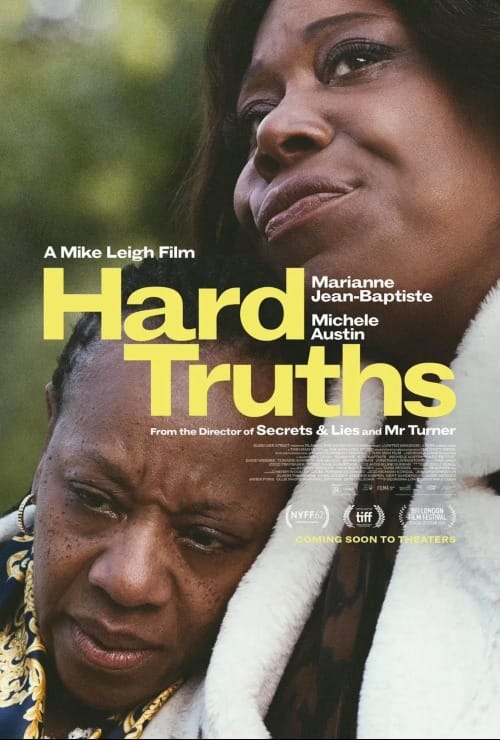
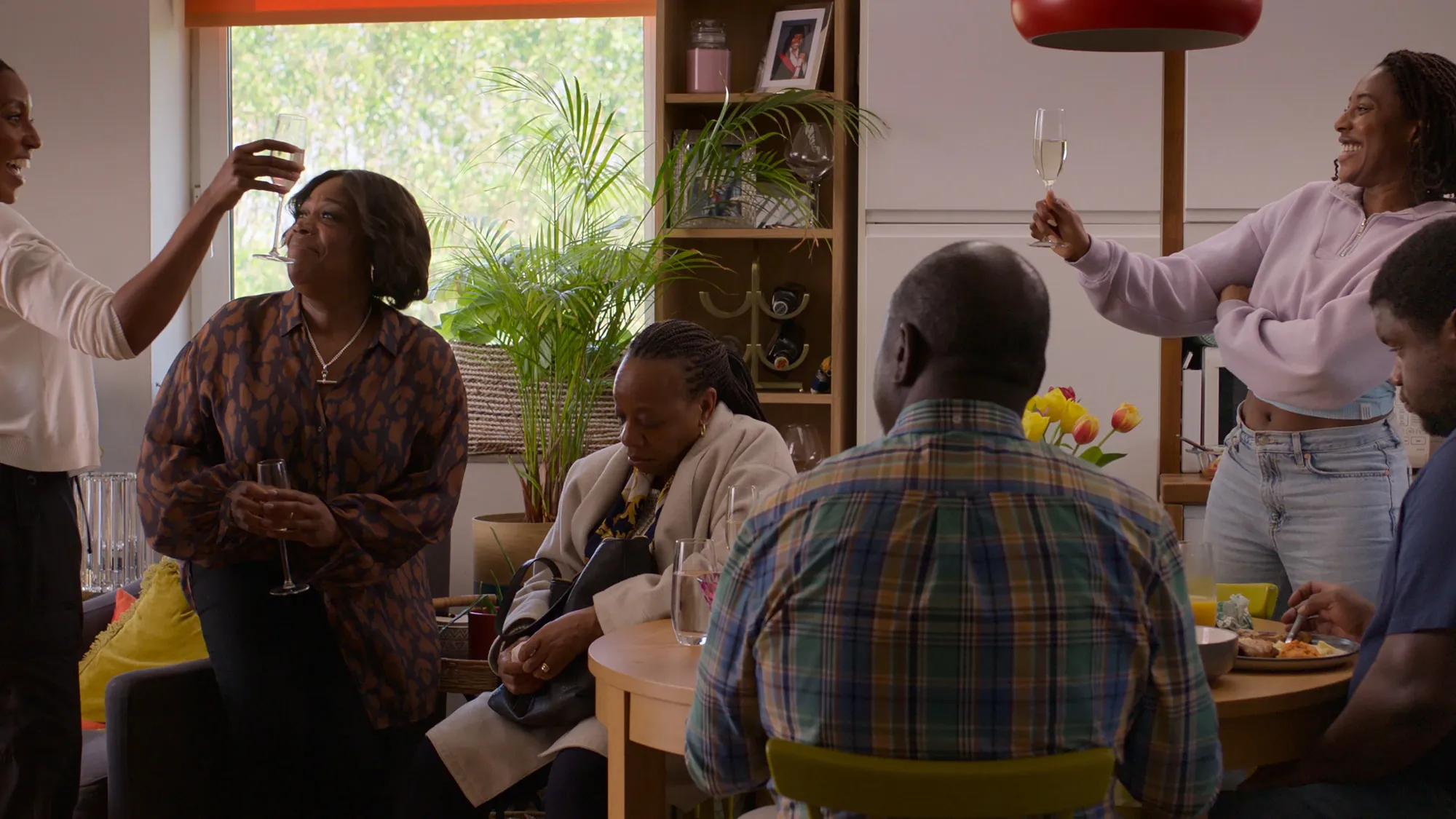
Hard Truths
director and writer: Mike Leigh
What I posted when I saw this for the first time:
- The opening scene of Another Year that starred Imelda Staunton and Michele Austin, but with Marianne Jean-Baptiste taking the Staunton role, and then drawn out to feature length.
In other words, a vision of a soul stuck in a hell that is only partially of their own making, needing more grace and help than anyone can give her, and none of which she would be capable of receiving anyway. The call to love is the call to suffer alongside with no promise of any improvement or reward. - Grueling. And necessary. Earns its place alongside Naked in the Leigh library — Leighbrary? — even though Pansy’s rants don’t have the awe-inspiring intellectual architecture of Johnny’s.
- The world needs more federally funded mental health services and a dramatic campaign to destigmatize therapy.
It also needs a Church that embodies love as the Church was meant to.
In the meantime, we have Leigh, who sees and who does not turn away, even when there’s no sign of any help for such conditions.