Overstreet’s Favorite Films of 2025: #25–#13
This post in progress, which will expand over the next week, announces my favorite films of 2025, covering #25–#13. (The Top Twelve post is coming later this week.)

I’ll be posting these entries one at a time. So, if you don’t yet see #25–#13, just keep checking back in the upcoming hours. They’ll all be published soon.
Oh — wait . . . did you miss my enormous post mentioning Honorable Mentions? You’re welcome to go back and read that first. How many hours do you have? Here it is.
Here are a few words of introduction to this — the second part of my marathon of movie notes for 2025.When I watch Seattle sports, I have the radio on so I can know what’s going to happen about 30 seconds before it happens on television. That way, I can do other things and only glance at the screen if I know something interesting is going to happen. That’s my kind of spoilers!
Oh, one more thing — before we get started . . . I have some news.
Overstreet (Through a Screen Darkly), a professor of creative writing at Seattle Pacific University, explores in this affecting memoir how movies have shaped his faith. . . . Overstreet’s graceful prose amplifies his resonant defense of art as a vehicle through which believers can construct a more flexible, complex, and rewarding relationship with God. Readers will be left with a richer understanding of both film and faith.
I feel like I just won an Oscar. Thank you for this review, Publishers Weekly!
The book is available for pre-order now, and it arrives May 12th! Stay tuned. I have a series of most fortunate events happening in Seattle and in Bellingham this May and June. Oh, and in Texas, too! (If you’d like to have me host a film seminar and invite you and your community into a conversation about film and faith, reach out! I’m easy to find, and easy to convince!)
 Kristin T Lee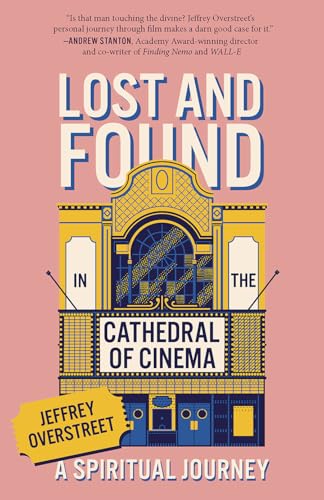
25.
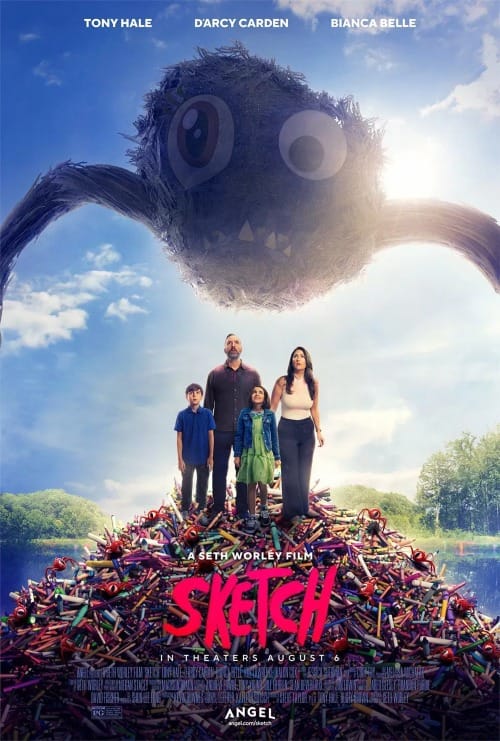
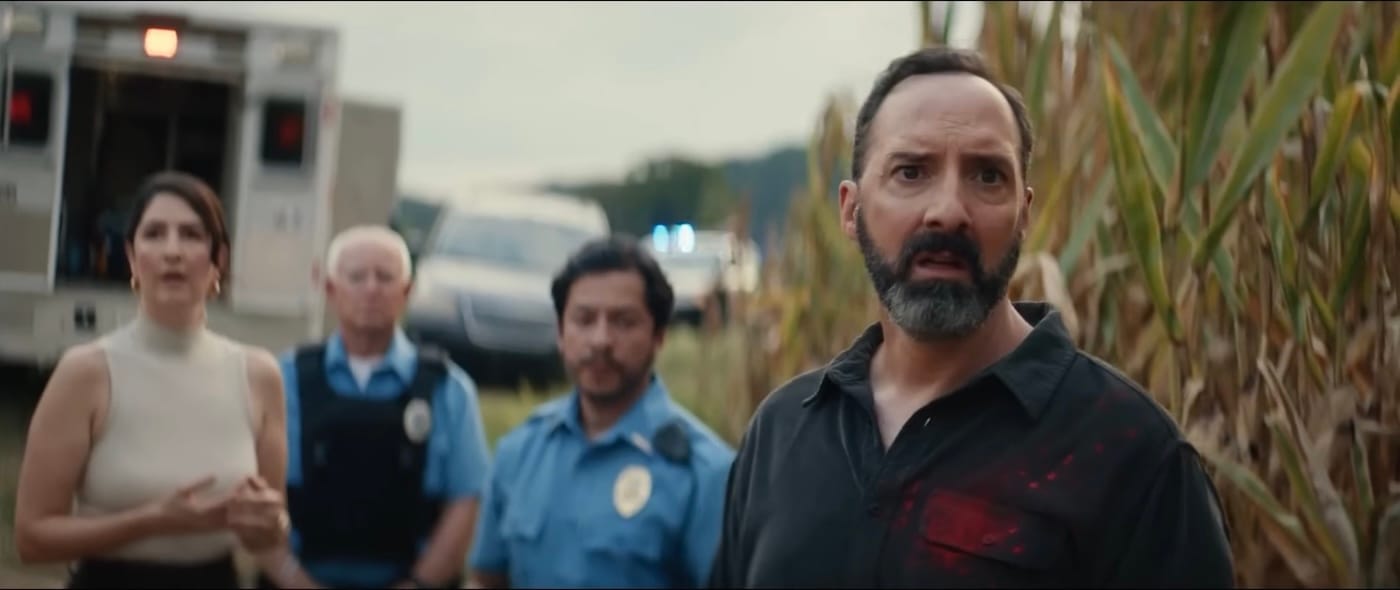
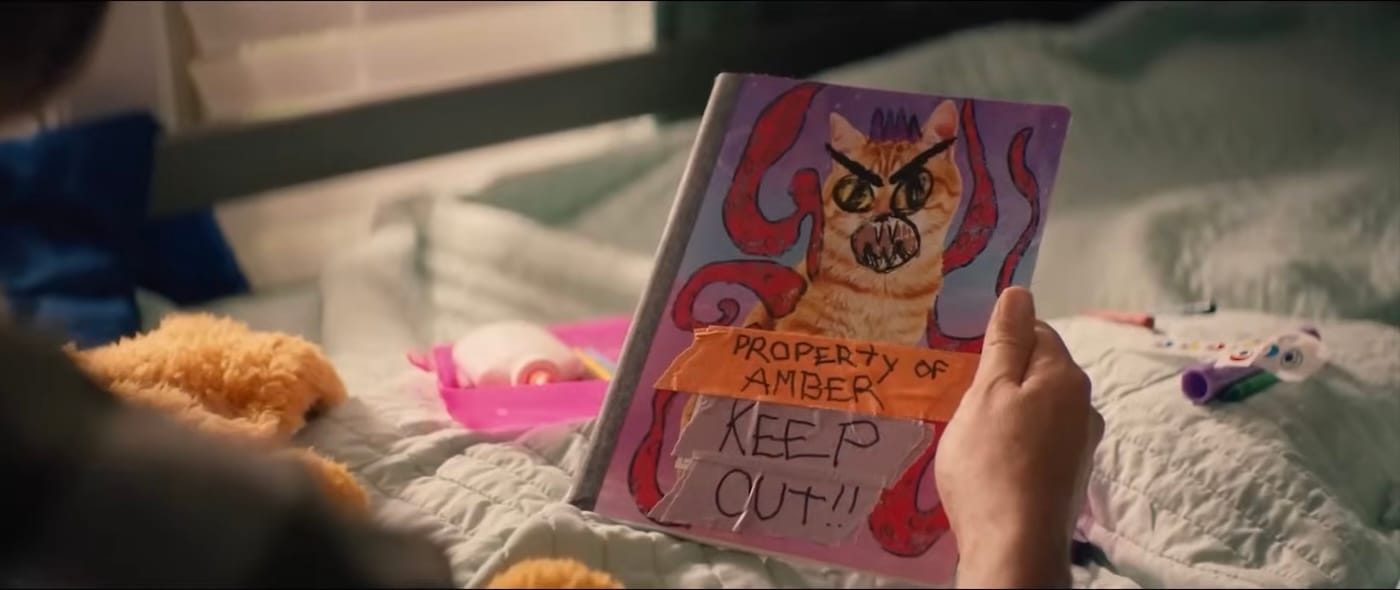
Sketch
director and writer: Seth Worley
Here’s my full review of the film, which I originally published last August.
24.
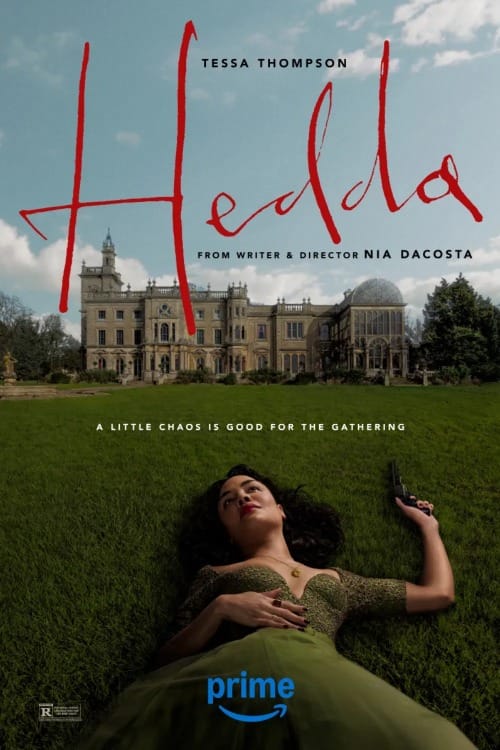
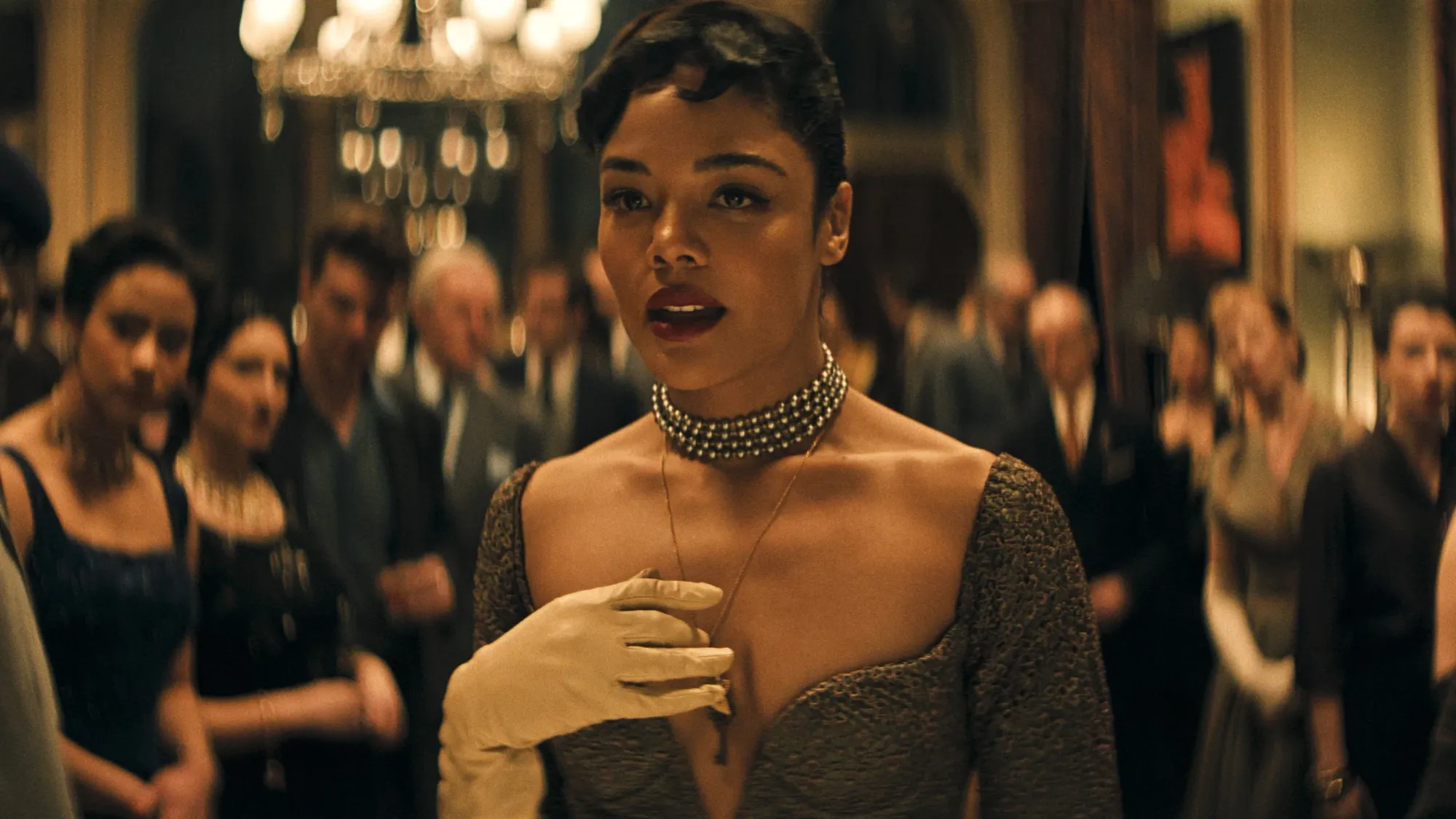
Hedda
director and writer: Nia DaCosta
I haven’t had an opportunity to write a full review of this film, so, here’s . . .
What I posted when I saw this for the first time:
- I love an extravagant adaptation — that is, if those who take the initiative to offer the new interpretation have an understanding of, and a respect for, the original, and either strive to be faithful, or explore playful variations that open up new possibilities. I admire those that take an approach of, “Yes, we have this, and it’s wonderful, but what insight might be gained from trying . . . this?”
I have no room, on the other hand, for adaptations by those who dumb down the original, or who demonstrate that they never understood it in the first place.
This month, Guillermo Del Toro’s Frankenstein is a dismaying example of the latter. For those who aren’t well acquainted with Shelley’s novel, well . . . I’m sure you’ll find it entertaining. But it strips out the most interesting threads of the narrative, those that give it the most affecting sense of tragedy. It takes a rich, complex, nuanced text and reduces it to “Monsters good! Ambitious Men Bad!” — an argument that is silly and insulting, one that makes Jurassic Park seem deeply nuanced and literary by comparison. It dumbs down what Del Toro did with The Shape of Water, which was, itself, juvenile and disappointing. And it’s a big step down from the more interesting choices he made with his adaptation of Pinocchio.
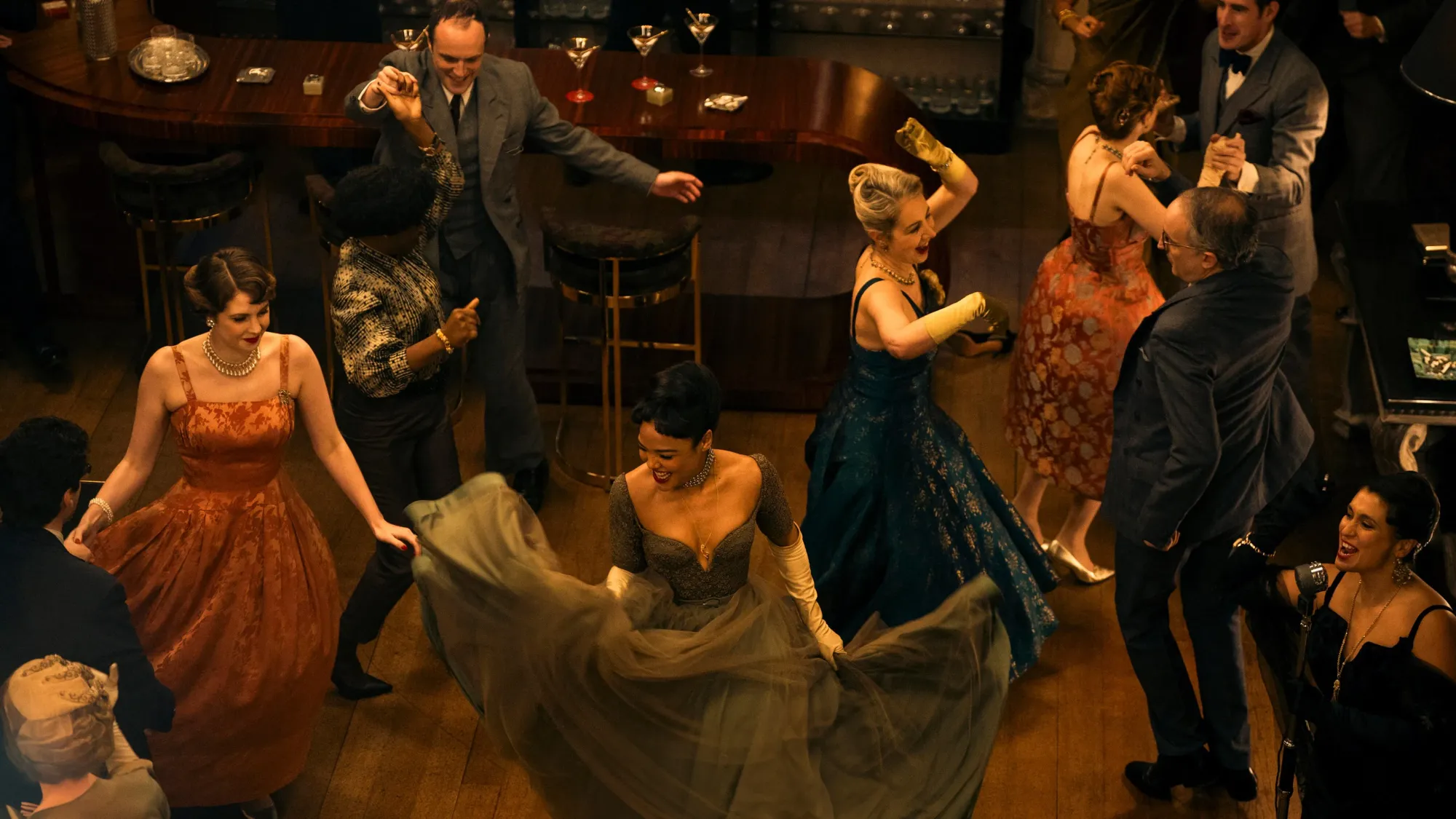
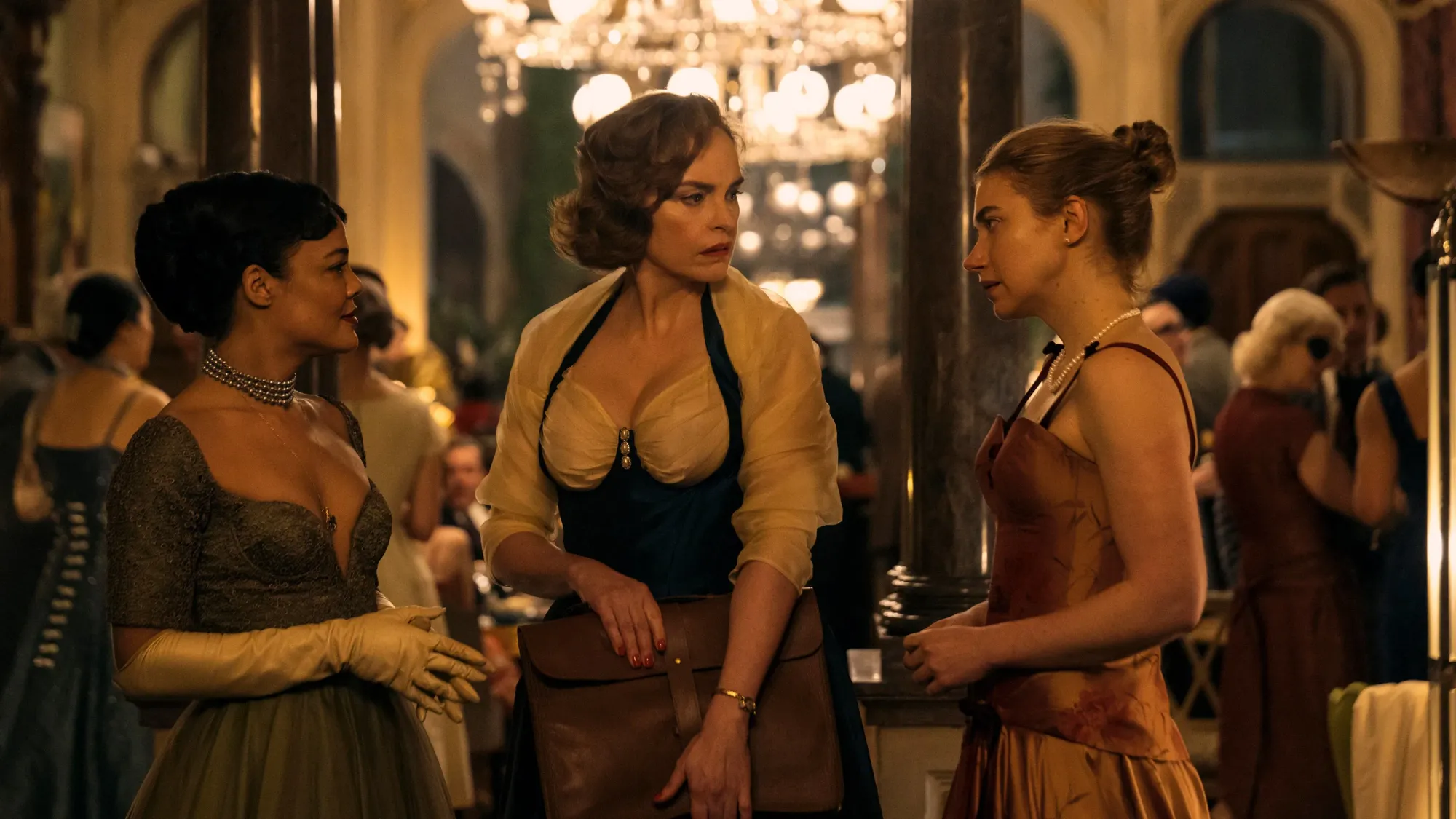
By contrast, Nia DaCosta’s decadent adaptation of the Ibsen classic Hedda Gabler seems to honor the source while exploring a new direction that will enrich the conversation around both the original and this new take. It expands on the original’s themes by exploring possibilities that would have been difficult for Ibsen to take on in his day, I suspect — if he could even have imagined them at all. It gave me that feeling I have when I’m watching an imaginative, stimulating recontextualization of a Shakespeare classic.
And it reminded me that we haven’t yet seen the fullness of what Tessa Thompson can do. - Having said that, I gotta ask: Is there any movie in which the casting of Nina Hoss in a supporting role doesn’t shift the center of gravity away from its leading lady? She was the most powerful presence in Tar, and, while it wasn’t Blanchett’s fault there, just as it isn’t Thompson’s fault here, she rules this film and should be on everybody’s short list for Best Supporting Actress this year. She’s so good here, it’s almost a problem.
Check back soon as I add more movies to this post over the course of the week!
If you’re impatient and you want me to reveal the Top Ten right now, without any more suspense, listen to my sixth guest appearance on the podcast Veterans of Culture Wars with co-hosts Dave Lester and Zach Malm! It’s on Apple Podcasts and Spotify now.