First Impressions of The Drama
These are first impressions of the disruptive new romantic comedy from the director of Dream Scenario.

It’s time to start catching up on films that, thanks to the generous support of my readers, I’ve been able to catch up with recently. Let’s kick things off with the new release that every film podcast is buzzing about right now:
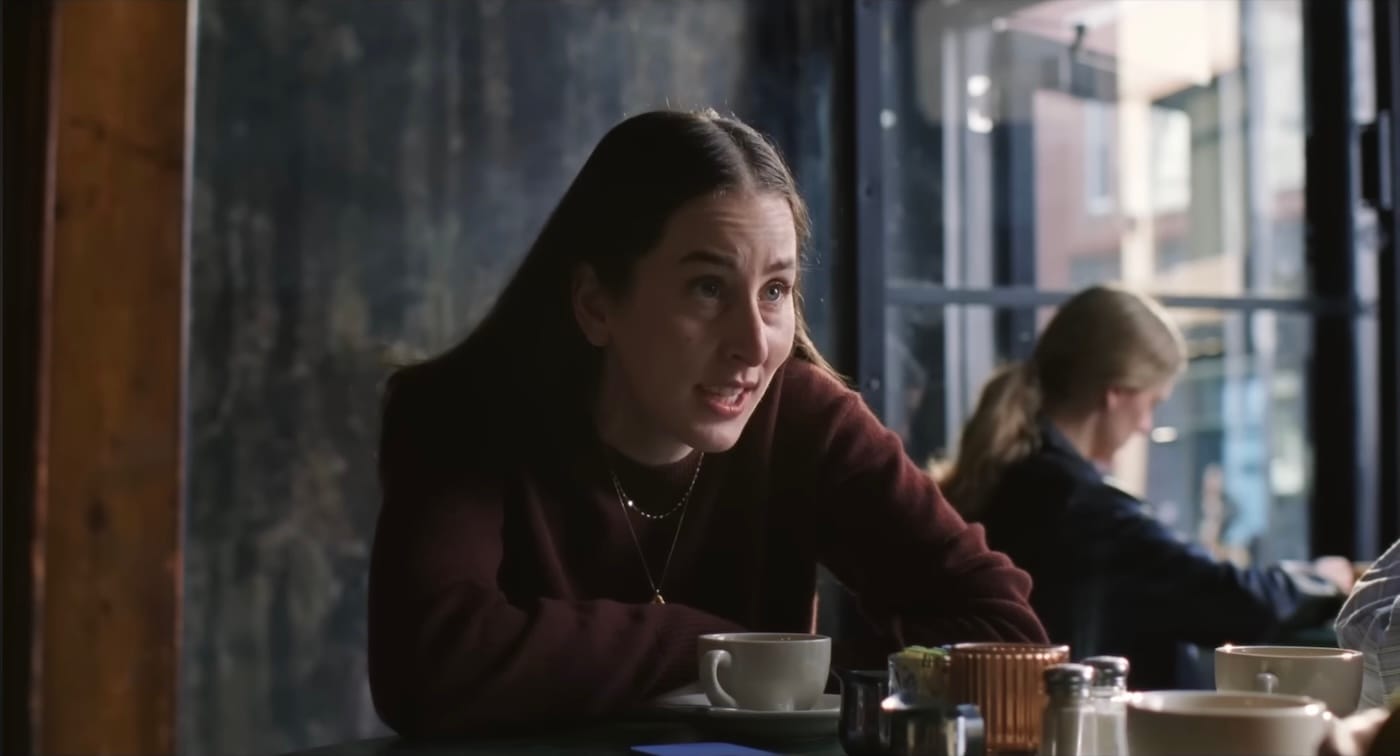
In all of my decades as a moviegoer, no character has ever made me want to flee the theater as much as Alana Haim’s character does in Kristoffer Borgli’s The Drama. Haim plays Rachel, who seems custom-designed to make me want to rage-scream at the big screen. She acts out a particular brand of sanctimony, judgment, and contempt here with such affecting ugliness that she’s likely to have ruined my ability to enjoy Haim’s previous movies (Paul Thomas Anderson’s Licorice Pizza, for example), and maybe even spoiled the music videos she and her outstanding family band Haim have produced.
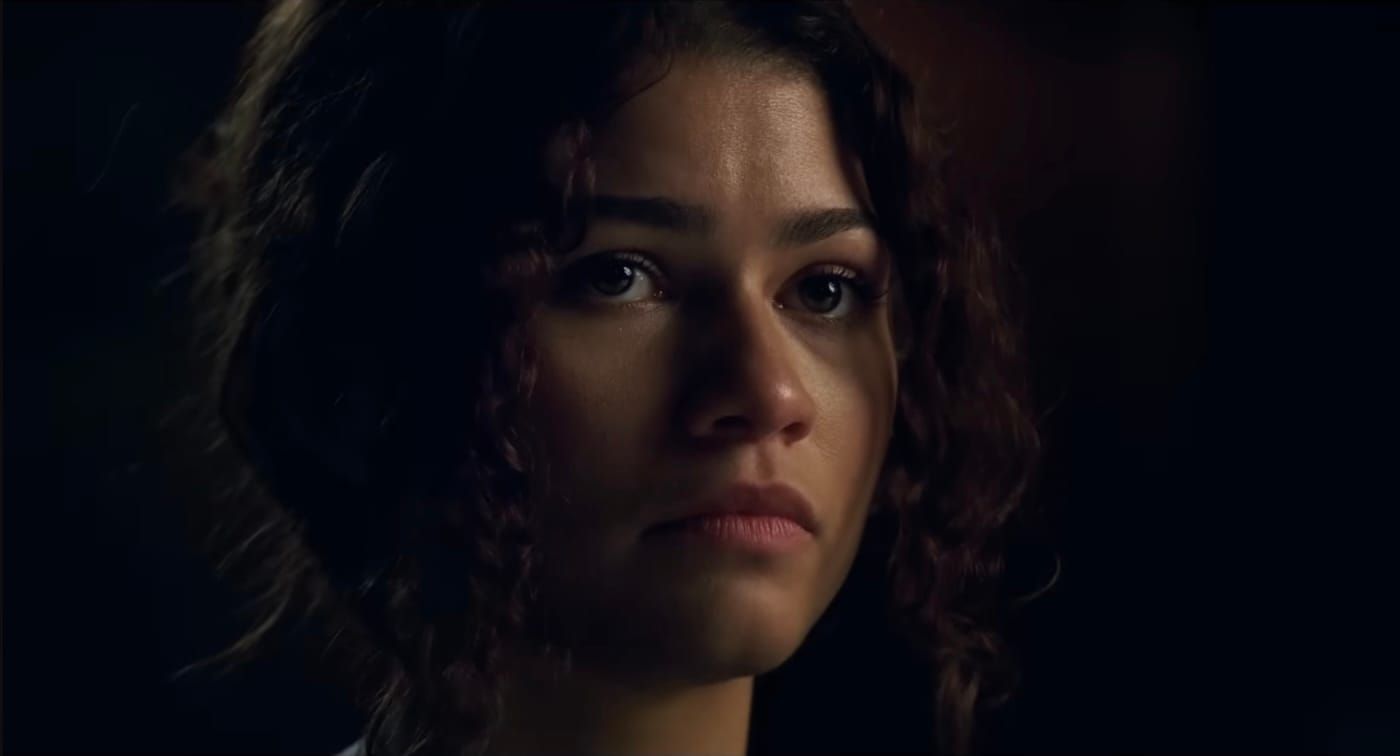
Within only about fifteen minutes of the opening credits, Rachel, readying to be the maid of honor the upcoming wedding of Emma (Zendaya) and Charlie (Robert Pattinson), turns against her friend. In one of the most alarming exchanges that you’re ever likely to hear in a movie, two couples — Emma and Charlie, and Rachel and Mike (Mamoudou Athie) — get drunk on wine before their meal and veer off the safe roads of conversation into a juvenile version of “Truth or Dare” that drops the “Dare” option. Goading each other to confess “the worst thing” they’ve “ever done,” three storytellers startle and trouble each other with stories that are — let’s acknowledge this here and now — horrifying. All of them. You may disagree with me, but I’m of the opinion that one of the stories in particular involves a particularly horrifying act of premeditated cruelty, one that surely led to lasting damage.
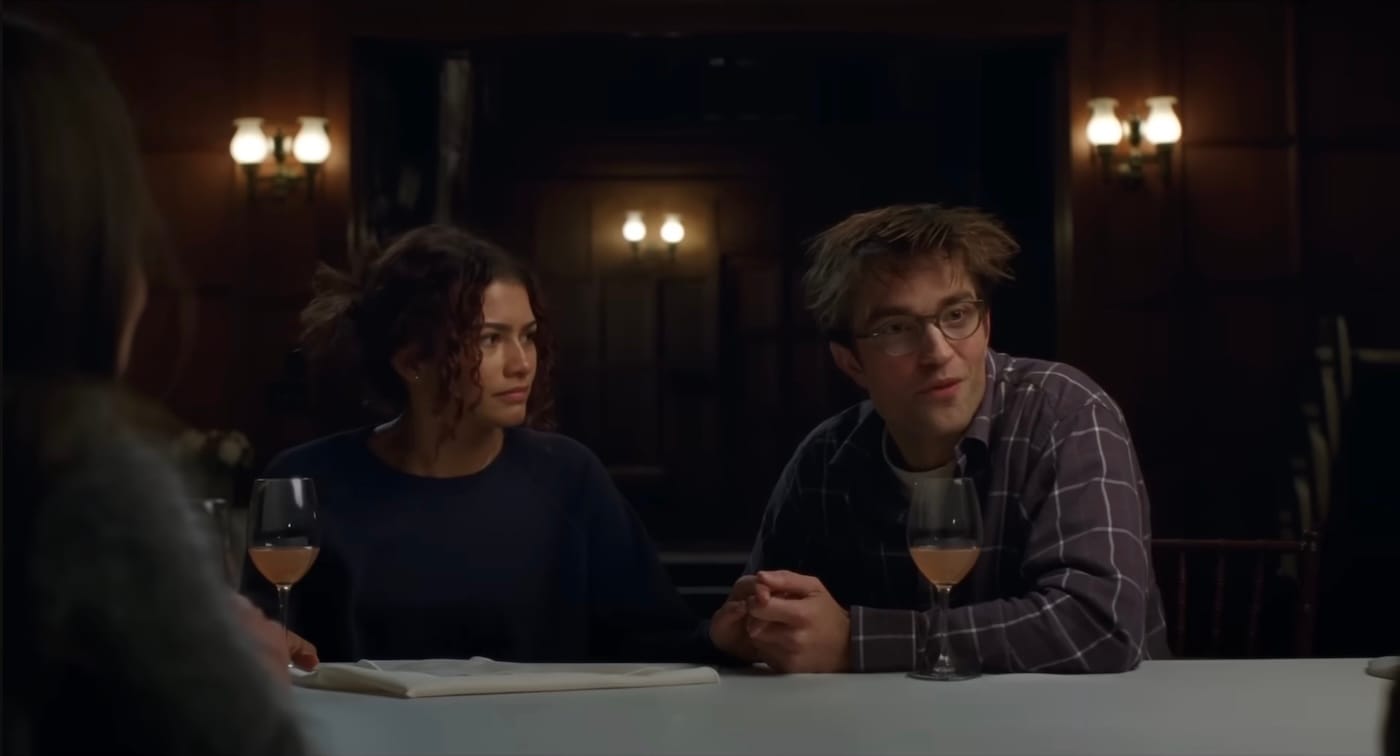
And then, it’s the fourth person’s turn: the bride-to-be. Emma makes her confession.
The revelation is shocking to the other three at the table. It’ll probably surprise and disturb most moviegoers as well.
But what upsets me far more — and I suspect it will trouble you too — is the nasty turn that the conversation then takes as Emma’s fiancé and friends react to what they’ve learned. I know I’m not the only one who’s having this reaction; I’m hearing similar exasperation from other moviegoers. This stems from the fact that there’s a fundamental difference between the first three confessions and Emma’s showstopper. And it has a lot to do with how many people were harmed by the various wrongdoings described.
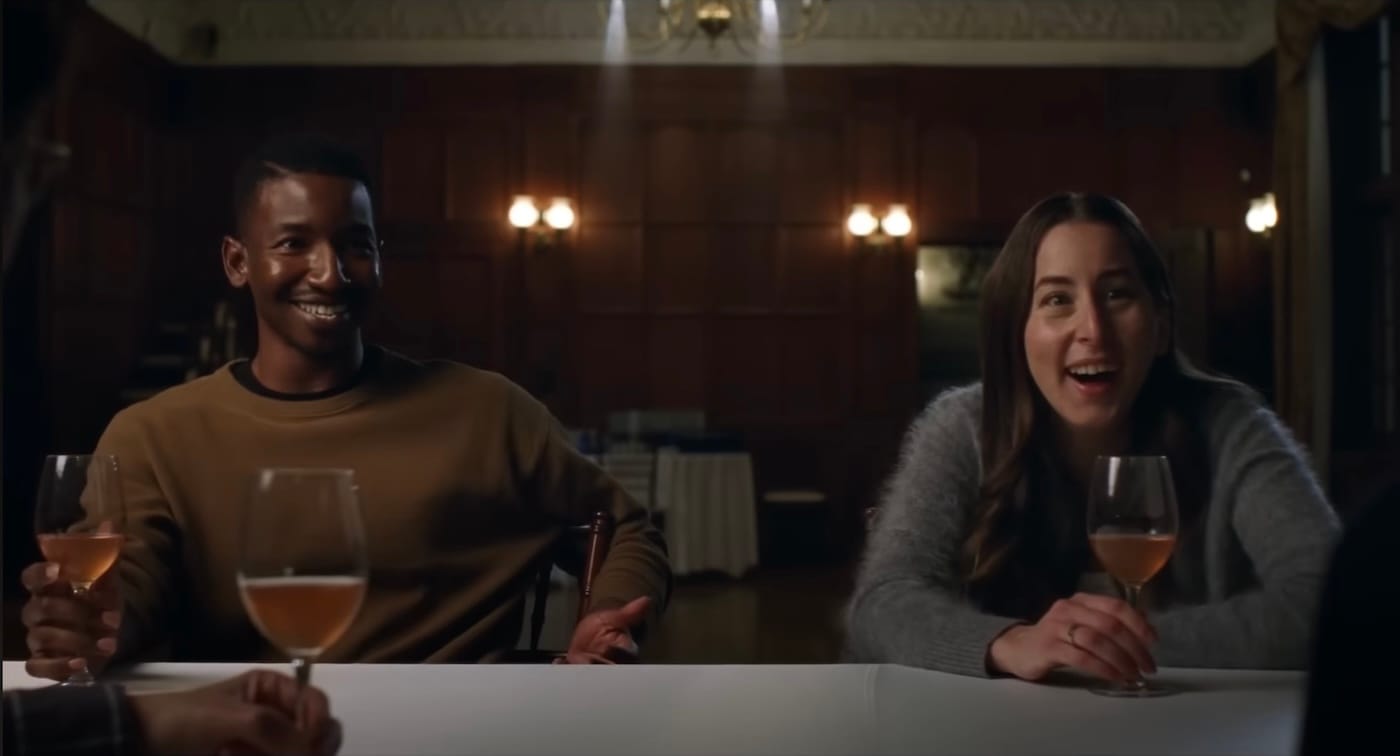
It’s that difference that confuses and frustrates me for the rest of the movie. I suspect it’s supposed to bother me. But I don’t feel like the movie ever sufficiently reckons with what’s happening at that party when the dynamic suddenly changes. Nor do I understand how a movie released in 2026 can provoke us with Emma’s revelation and not give any significant attention to the matter of race. If I say any more than this about that specific frustration, I’ll spoil too much for those who haven’t seen it. So, I’ll just say this: It matters that they’ve cast a Black actress to play this character, a character who makes this confession.
I end up feeling that The Drama is a movie that is really interested in making us uncomfortable and in provoking us to argue about things afterward. But does our experience of being stretched on the film’s various torture racks ever add up to anything meaningful? Is Borgli interested in more than making trouble? Is he interested in, or capable of, wisdom?
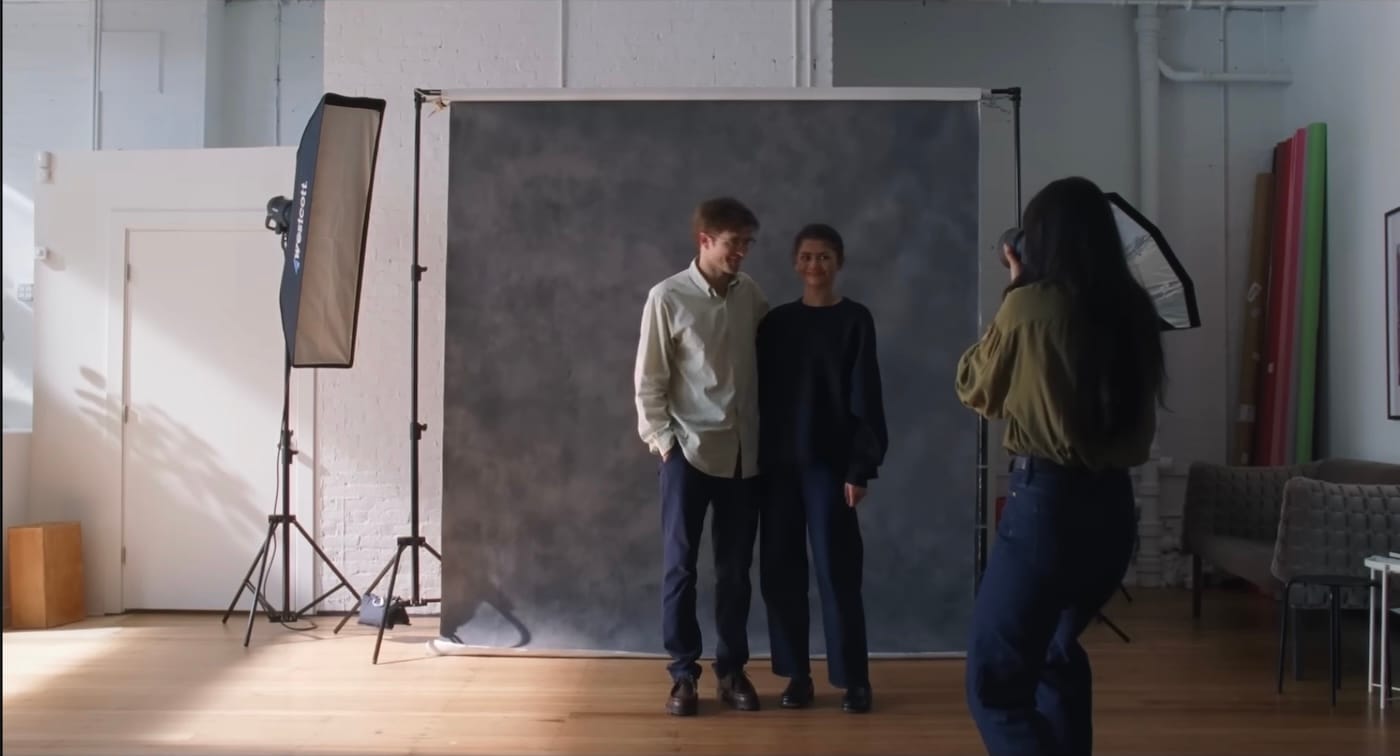
After the big revelation in Act One, the movie takes all kinds of twists and turns that ratchet up the tension. Some of them make more sense than others. But by the end of the film, it starts to feel less and less like the characters are making bad decisions and more like the storyteller is. Borgli’s screenplay, which starts strong in signaling that it is aspiring to profundity on matters of violence, race, and more, ultimately gives in to a sort of pyromania, throwing more and more fuel on the fire with a giddy zeal to make us stagger from the theater in a cloud of “WTF!”s. Some critics have highlighted an emphasis on “second chances,” as if this film is guiding us toward listening, toward empathy, toward bearing one another’s burdens. And I can see some measure of that here, but it seems, in the sensationalized circumstances, like an unlikely prospect, and one that the film doesn’t have the time or interested in illustrating.
That’s really a shame. Because the movie is filled with memorable performances in all of the supporting roles. Zoë Winters is hilarious as a wedding photographer on a particularly challenging assignment. And thank God for Jeremy Levick who shows up late in the film as a replacement wedding DJ. He gives us all some good clean laughs in a film full of the most uncomfortable comedy since last year’s Andrew DeYoung and Tim Robinson gave us Friendship — maybe even farther back than that.
And, best of all, Zendaya and Robert Pattinson are better than they’ve ever been here. Yes, I’m keeping Zendaya’s turn in Challengers and Pattinson’s turn in Good Time in my peripheral vision when I say this. I’m recommending this movie — begrudgingly — so that you can see major movie stars prove that they really are two of the most gifted actors of their generation, giving what may be remembered as their peak performances. Watching Zendaya and Pattinson here is like watching Olympic athletes performing in a state of inspiration.
If I’d realized, before the movie began, that this was the writer and director responsible for Dream Scenario, another movie that got lost in wild ideas and never found its way to a satisfying conclusion, I might have anticipated another movie that stirs up more trouble than insight, more provocation than profundity.
Coming May 12, 2026 . . .