Overstreet’s Favorite Films of 2025: #25–#13
This post in progress, which will expand over the next week, announces my favorite films of 2025, covering #25–#13. (The Top Twelve post is coming later this week.)

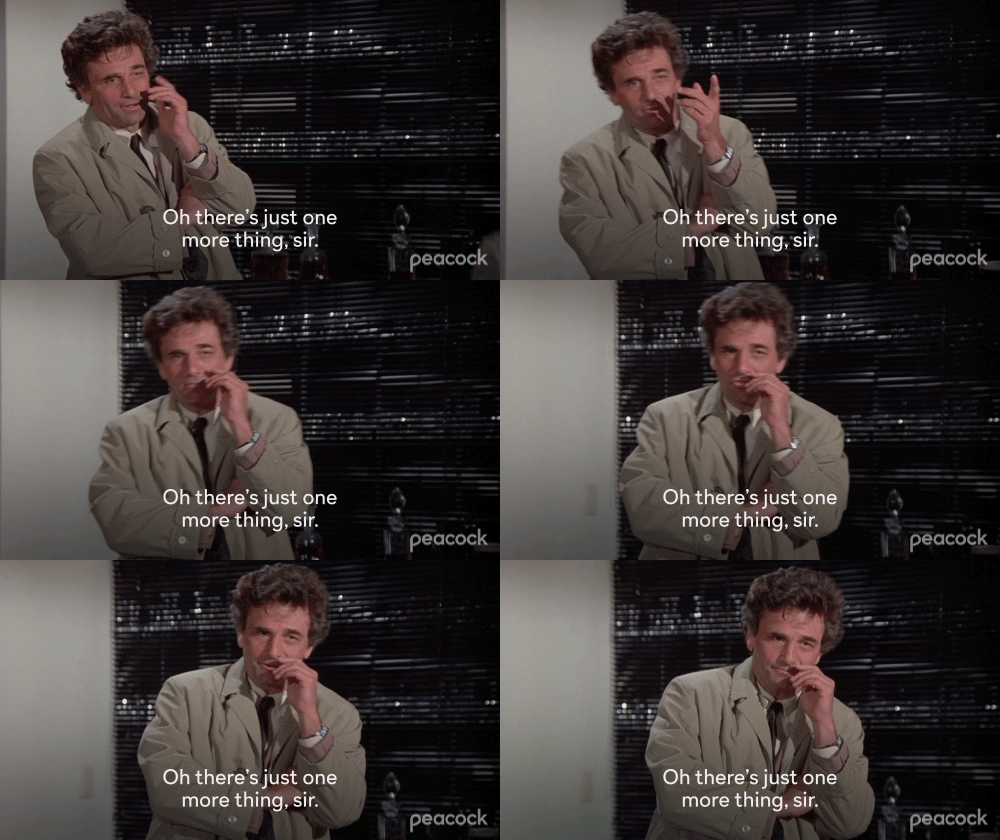
I’ll be posting these entries one at a time. So, if you don’t yet see #25–#13, just keep checking back in the upcoming hours. They’ll all be published soon.
Oh — wait . . . did you miss my enormous post mentioning Honorable Mentions? You’re welcome to go back and read that first. How many hours do you have? Here it is.
Here are a few words of introduction to this — the second part of my marathon of movie notes for 2025.When I watch Seattle sports, I have the radio on so I can know what’s going to happen about 30 seconds before it happens on television. That way, I can do other things and only glance at the screen if I know something interesting is going to happen. That’s my kind of spoilers!
Oh, one more thing — before we get started . . . I have some news.
Overstreet (Through a Screen Darkly), a professor of creative writing at Seattle Pacific University, explores in this affecting memoir how movies have shaped his faith. . . . Overstreet’s graceful prose amplifies his resonant defense of art as a vehicle through which believers can construct a more flexible, complex, and rewarding relationship with God. Readers will be left with a richer understanding of both film and faith.
I feel like I just won an Oscar. Thank you for this review, Publishers Weekly!
The book is available for pre-order now, and it arrives May 12th! Stay tuned. I have a series of most fortunate events happening in Seattle and in Bellingham this May and June. Oh, and in Texas, too! (If you’d like to have me host a film seminar and invite you and your community into a conversation about film and faith, reach out! I’m easy to find, and easy to convince!)
 Kristin T Lee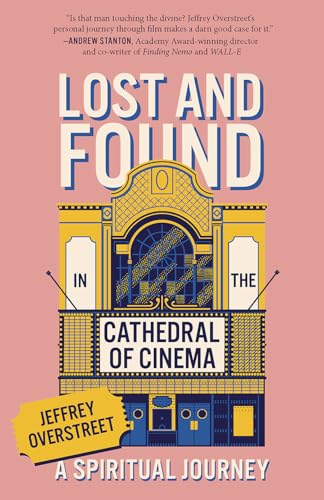
25.
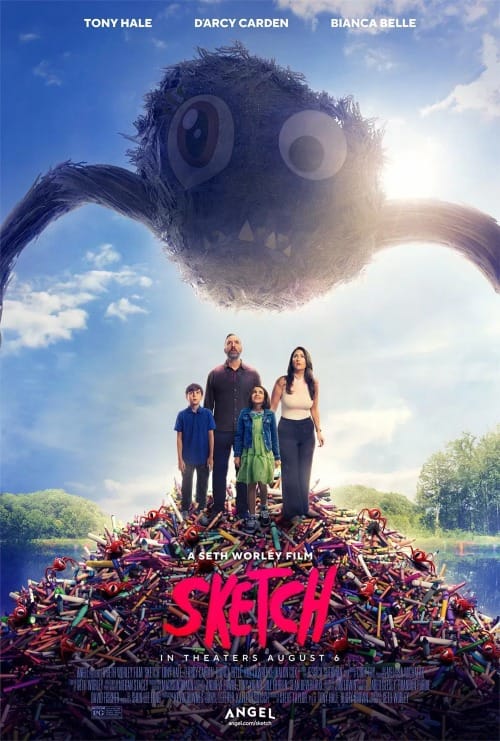
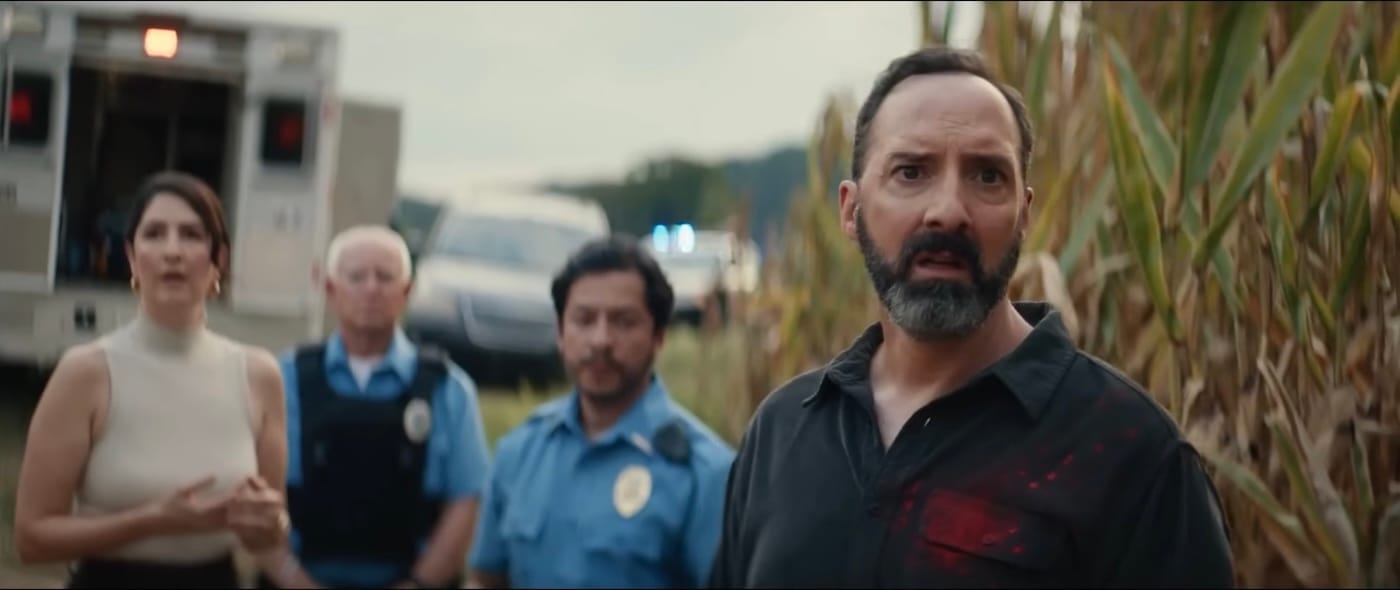
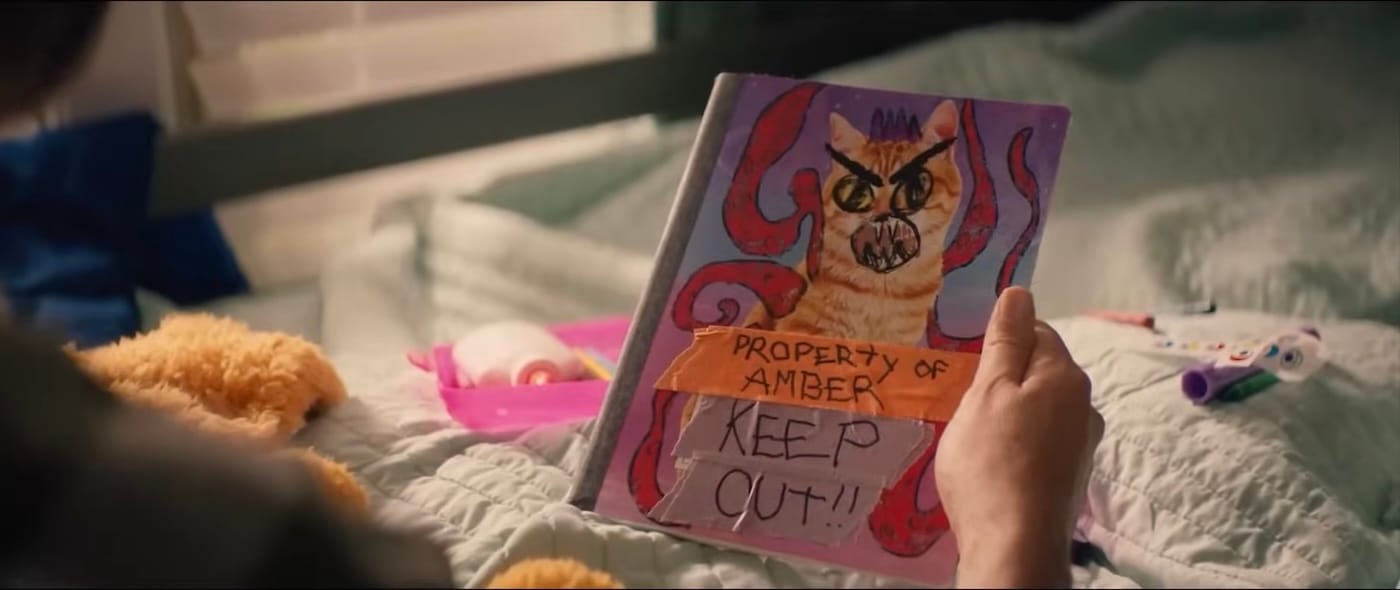
Sketch
director and writer: Seth Worley
Here’s my full review of the film, which I originally published last August.
24.
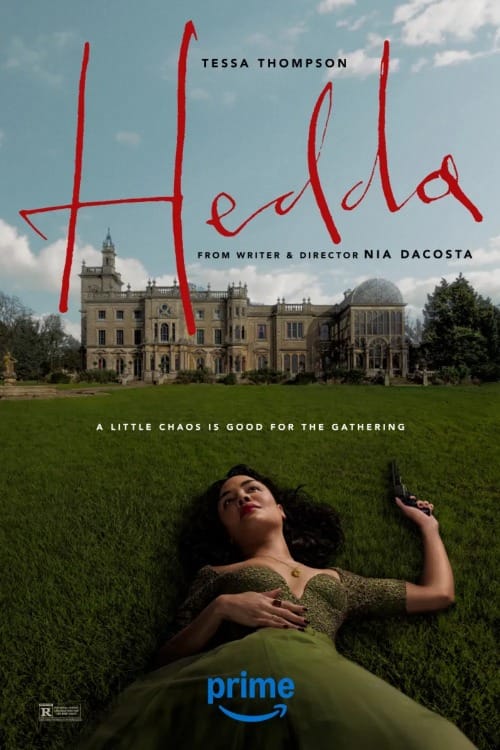
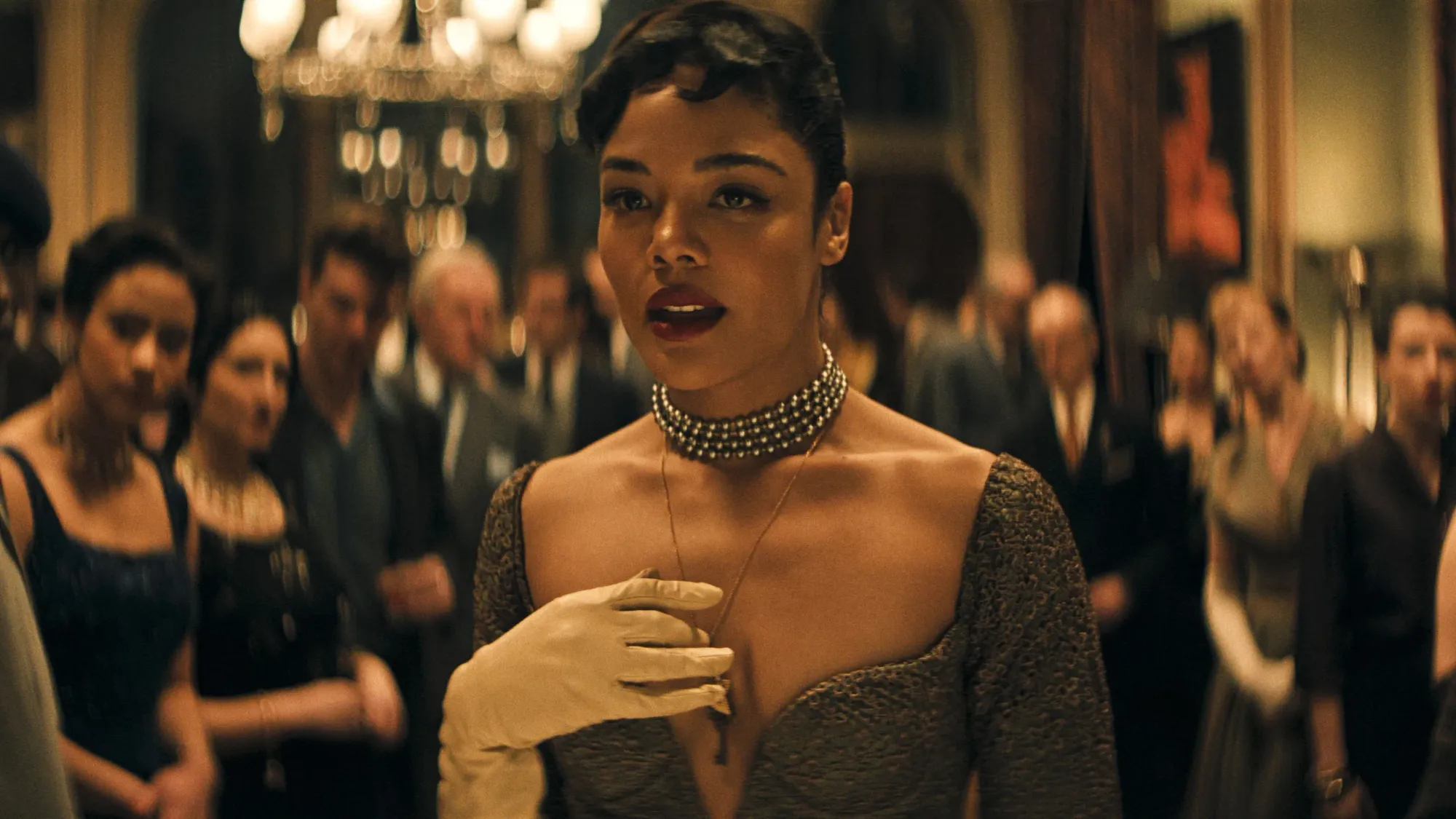
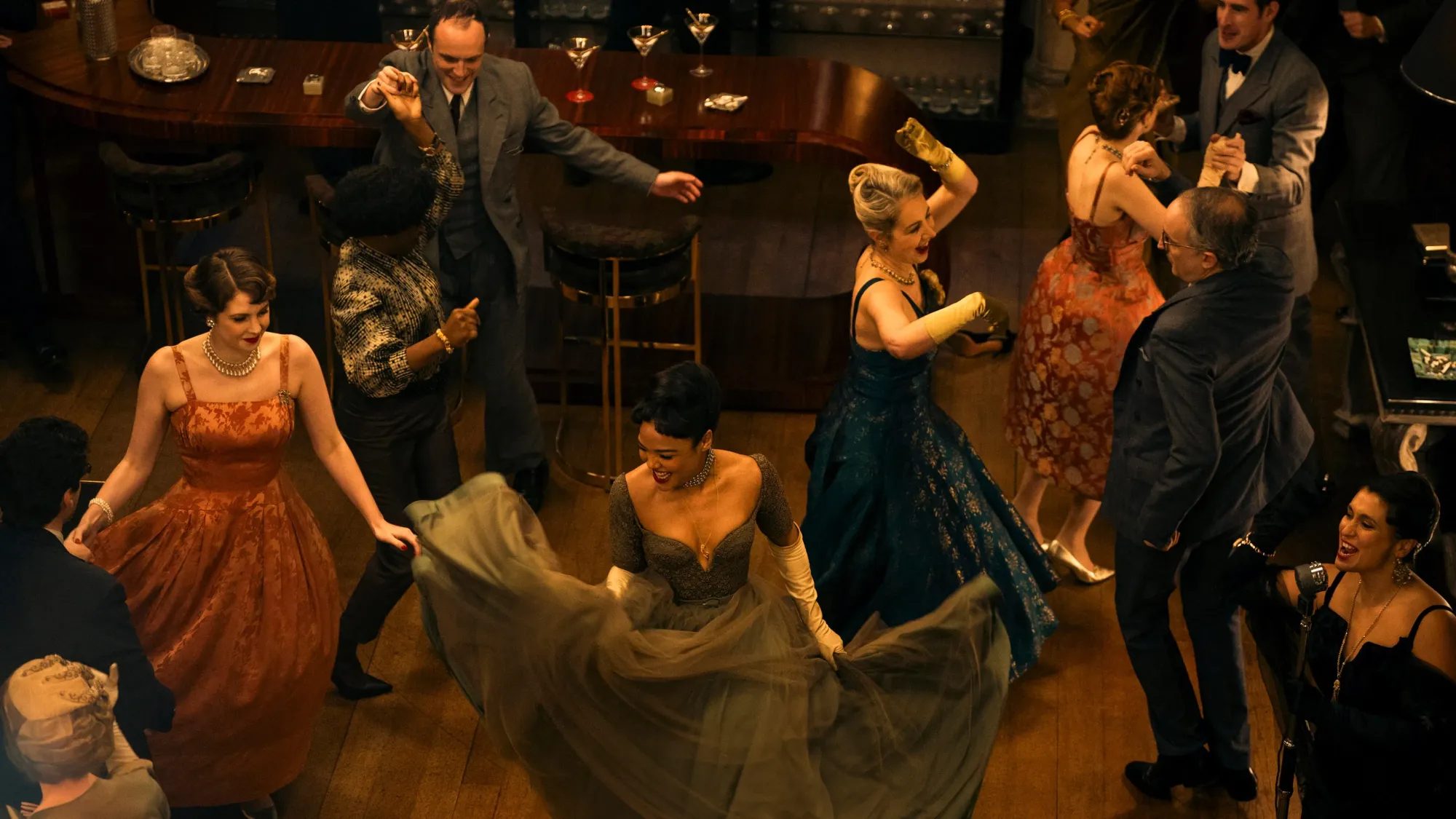
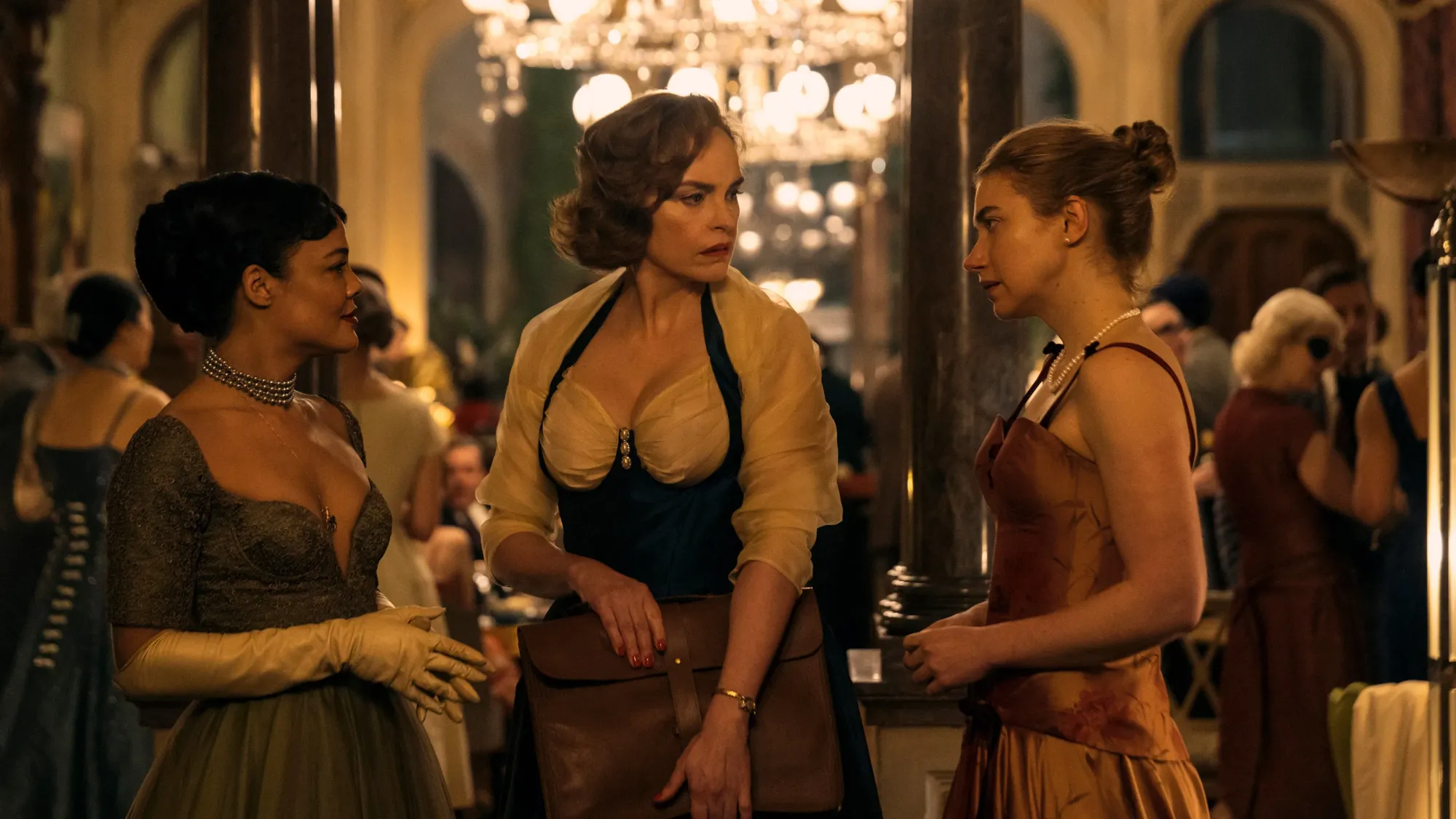
Hedda
director and writer: Nia DaCosta
I haven’t had an opportunity to write a full review of this film, so, here’s . . .
What a slight revision of what I posted when I saw this for the first time:
- I love an extravagant adaptation — that is, if those who take the initiative to offer the new interpretation have an understanding of, and a respect for, the source material; and if they either strive to be faithful to the details, or explore playful variations on those details that open up new possibilities. I admire those that take an approach of, “Yes, we have this, and it’s wonderful, but what insight might be gained from trying . . . this?”
I have no room, on the other hand, for adaptations by those who dumb down the original; those who seem bent on sabotaging it; or those whose understanding of the source was shoddy to begin with.
This month, Guillermo Del Toro’s Frankenstein is a dismaying example of the latter. For those who aren’t well acquainted with Shelley’s novel, well . . . I’m sure you’ll find it entertaining. But Del Toro strips out the most interesting and complicated threads of the narrative, those that give it the most affecting sense of tragedy. He takes Mary Shelley’s rich, complex, nuanced text and reduces it to “Monsters good! Monsters sacred! Ambitious men? Bad!” — an argument that is silly and insulting. His take on Frank makes Jurassic Park seem deeply nuanced and literary by comparison. This is an intellectual step down from even his shallowest monster stories — The Shape of Water, for instance. And this seems particularly disappointing as it arrives so soon after the fascinating choices he made in his adaptation of Pinocchio.
What about Hedda?
By contrast, Nia DaCosta’s decadent adaptation of the Ibsen classic Hedda Gabler seems to honor the source while exploring a new direction that will enrich the conversation around both the original and this new take. It expands on the original’s themes by exploring possibilities that would have been difficult for Ibsen to take on in his day, I suspect — if he could even have imagined them at all. It gave me that feeling I have when I’m watching an imaginative, stimulating recontextualization of a Shakespeare classic.
What’s more — Hedda suggests that we haven’t yet seen the fullness of what Tessa Thompson can do as a lead actress. - Having said that, I gotta ask: Is there any movie in which the casting of Nina Hoss in a supporting role doesn’t shift the center of gravity away from its leading lady? Hoss was the most powerful presence in Todd Field’s Tar. It wasn’t Blanchett’s fault there, just as it isn’t Thompson’s fault that Hoss owns this movie whenever she steps into a scene. Hoss should have complicated the Best Supporting Actress race at the 2026 Oscars; it’s a shame she was overlooked. She’s so good here that it’s almost a problem.
23.
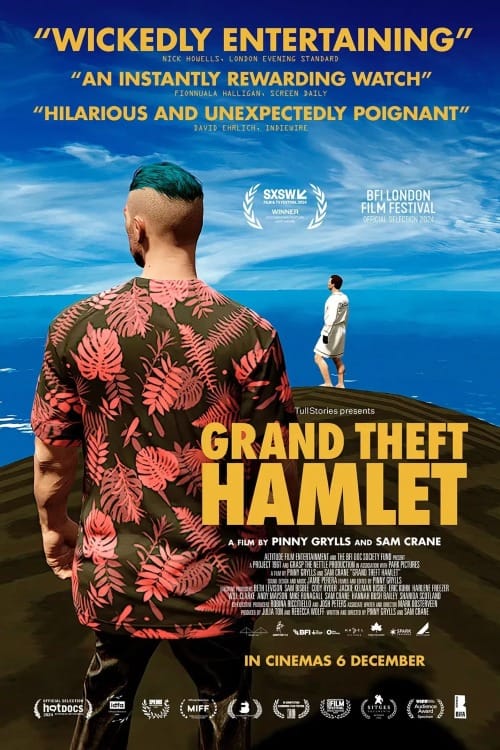
Grand Theft Hamlet
directors and writers: Sam Crane and Pinny Grylls
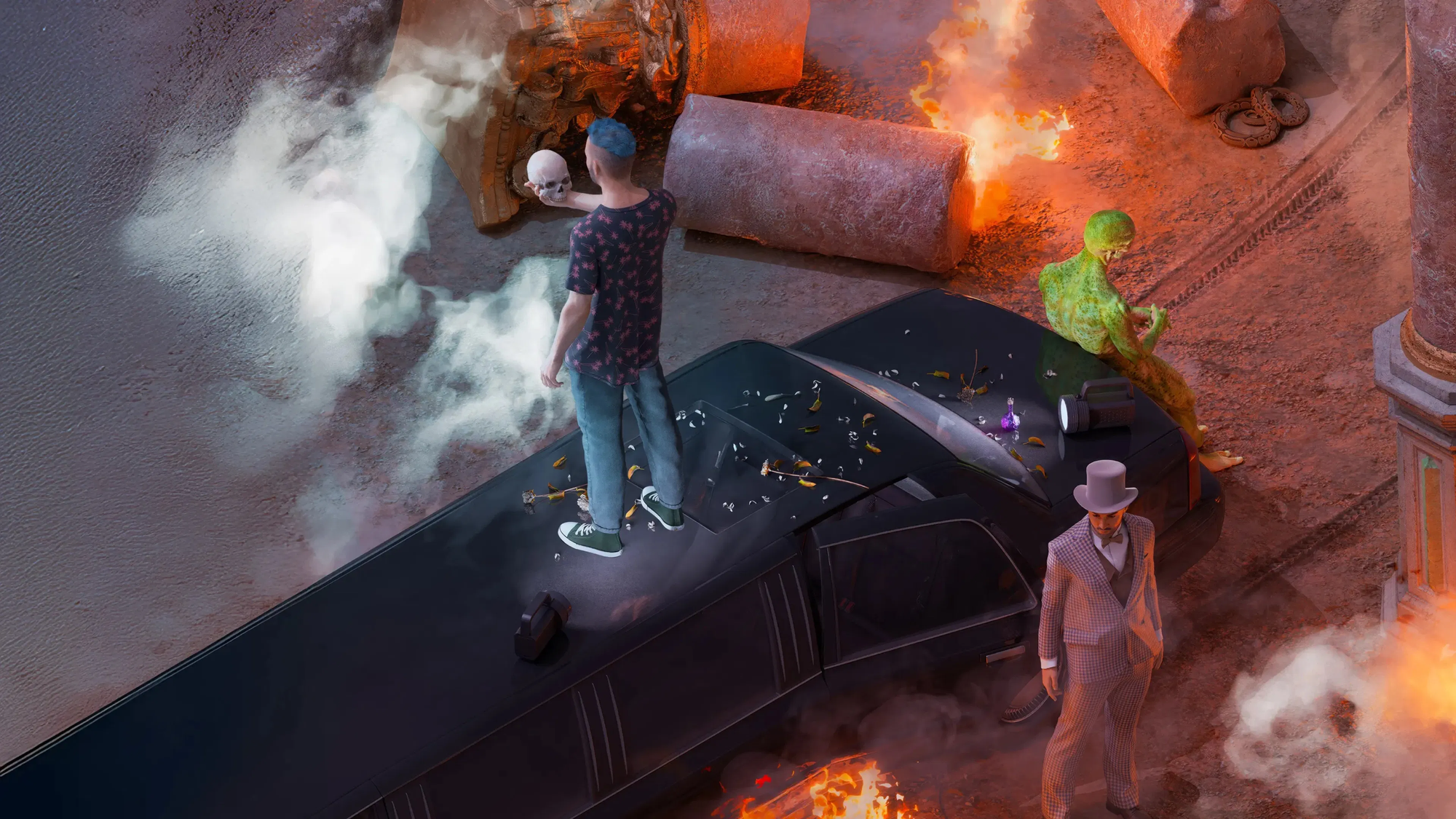
From beginning to end, as I watch this film — in which Grand Theft Auto players conspire to put on the first full performance of a Shakespeare play inside the game amidst the chaos of hyperviolent gamers all around them who don’t appreciate their aims — I think to myself . . . how did this get made? I can’t believe they did it. I can’t believe such a document exists. And I’m delighted to report that, while it’s unexpectedly hilarious (even for someone like me who has never played a game like this), it’s also rather inspiring, and occasionally even moving. Such is the magic of Shakespeare: a few lines from Hamlet can transform a hellscape in which everyone’s trying to kill each other into a stage for pondering the most unsettling existential questions humankind can ask.
What I posted when I saw this for the first time:
- Horatio: “O day and night, but this is wondrous strange.”
Hamlet: “There are more things in heaven and earth, Horatio,
Than are dreamt of in our philosophy.
A blimp that crashes into a casino, for example!
Or a green alien who arrives to a stage-play rehearsal by fighter jet!"
Horatio: "O, that this too, too solid flesh would pixelate...." - The highest compliment I can give this wildly entertaining and inadvertent comedy is that it got me watching, for the first time in my life, other people playing video games. For almost 90 minutes! And I’d do it again! (But only if the players’ aim is to do undermine the game’s lurid purposes, as is the case here.)
- Now do Titus Andronicus!
Or, wait: Richard III! “Horsepower! Horsepower! My kingdom for more horsepower!’
22.
Harvest
director: Athina Rachel Tsangari | writers: Athina Rachel Tsangari and Joslyn Barnes (based on the book by Jim Crace)
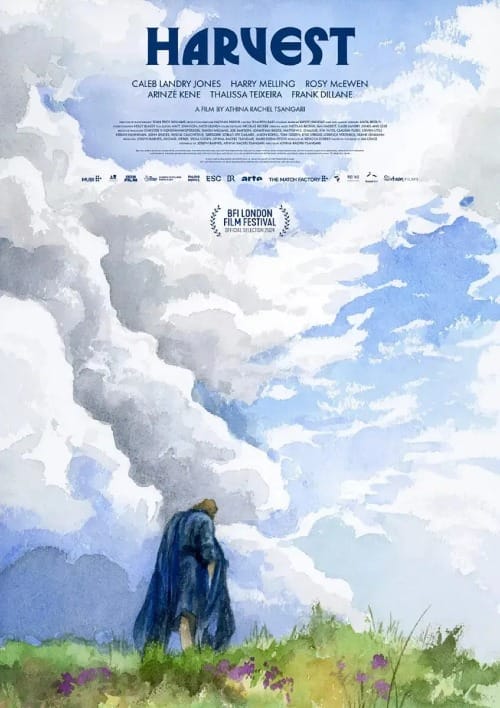
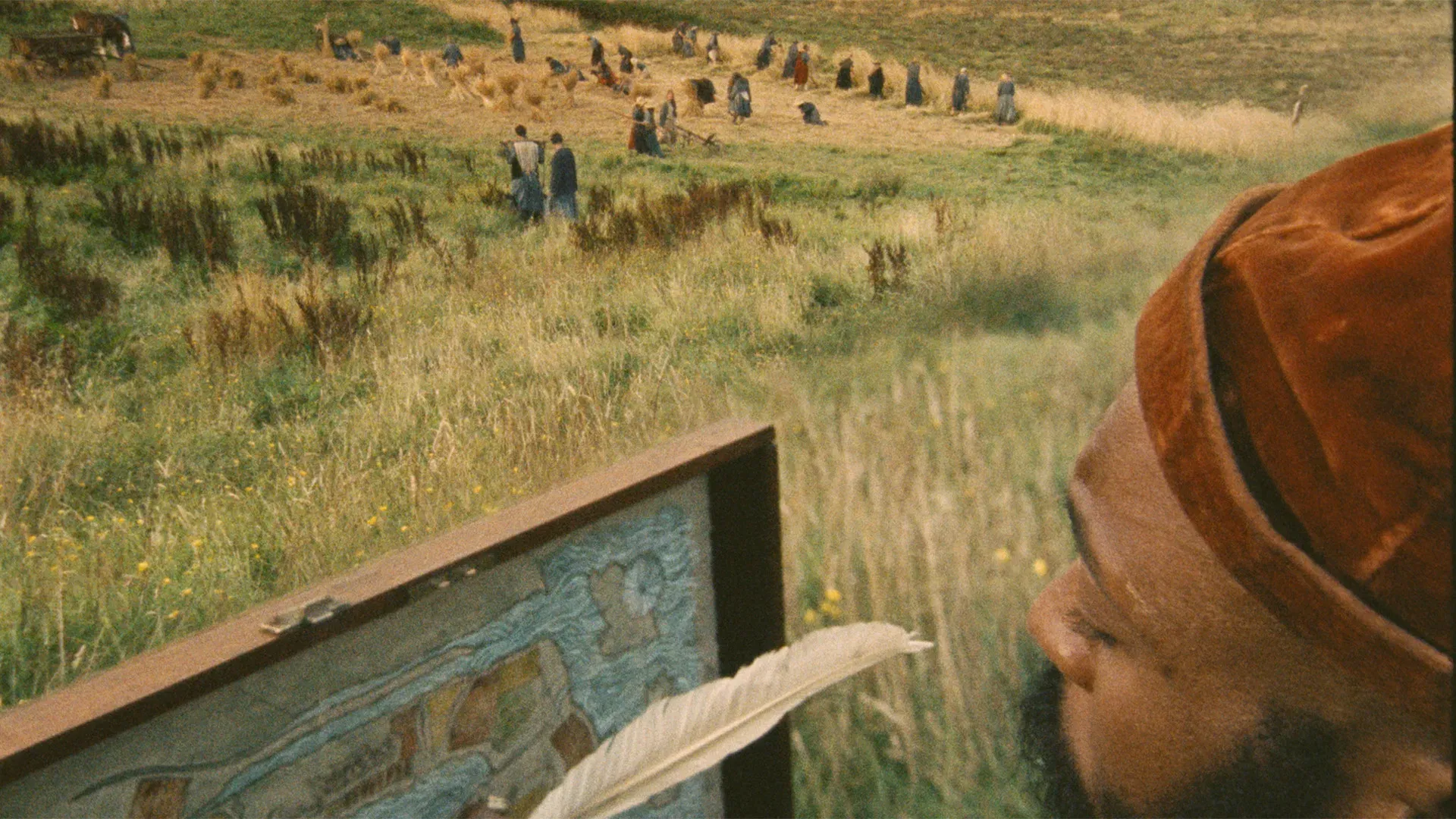
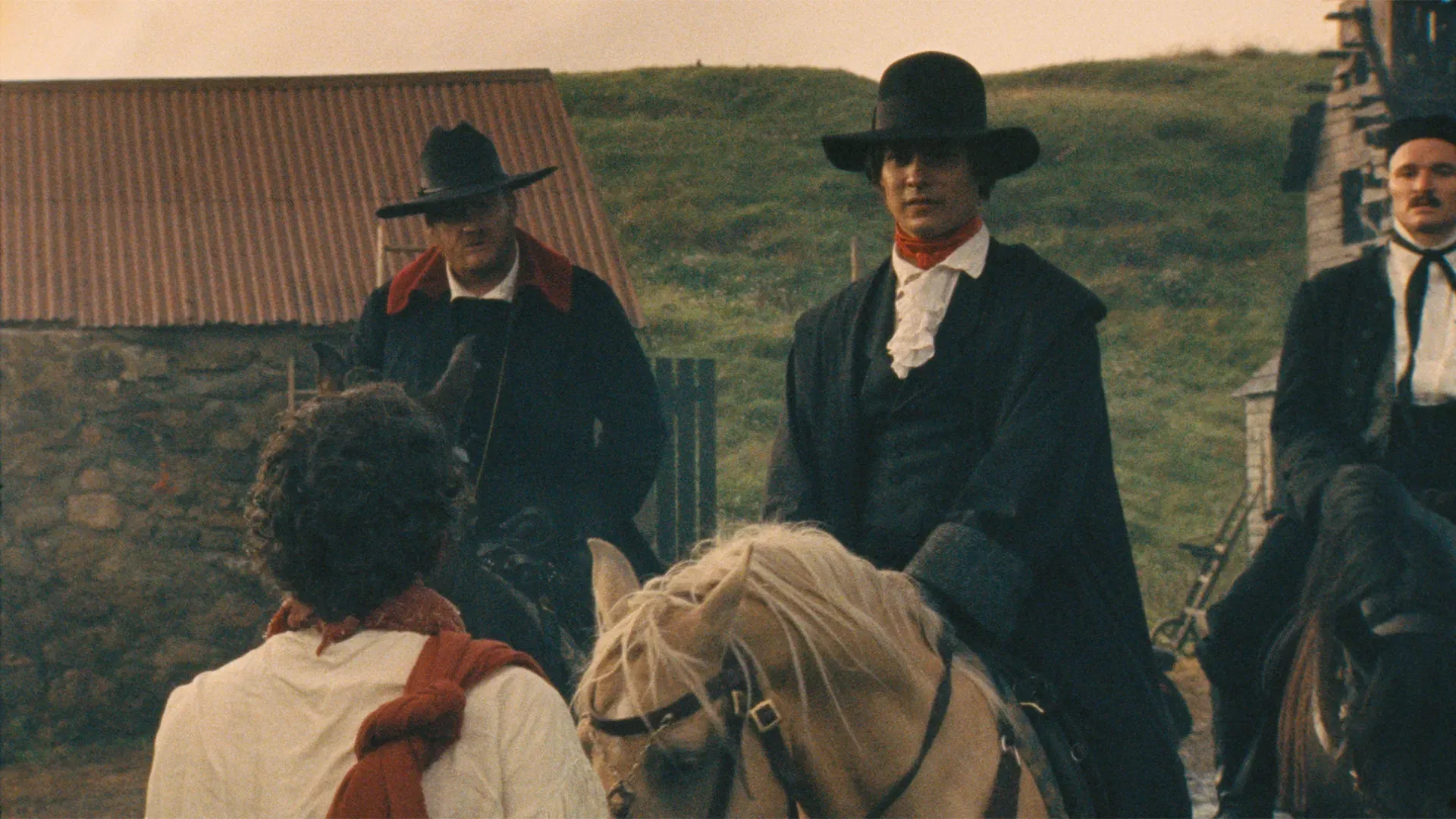
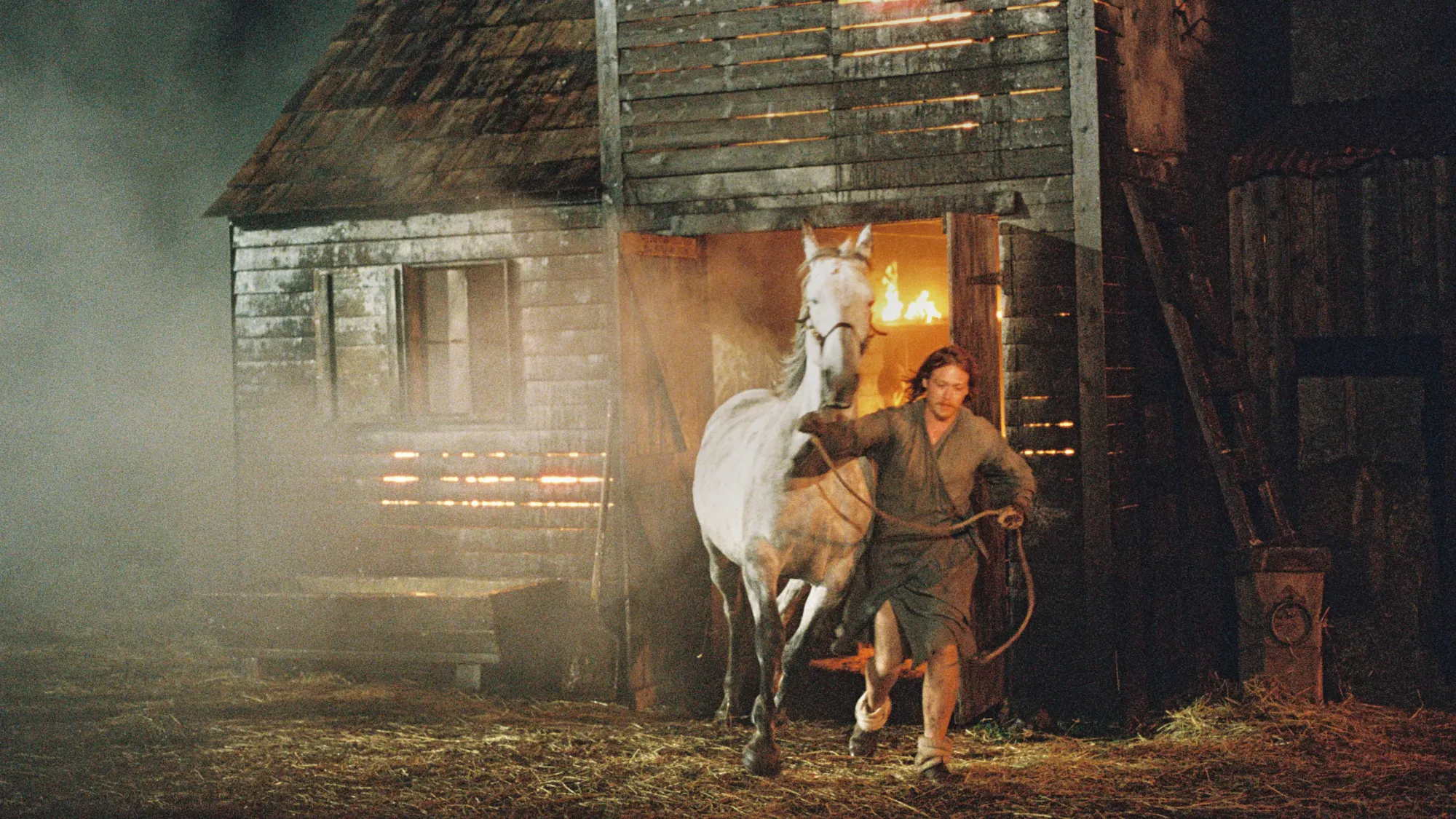
Here’s a film that, while it’s set in Scotland the late Middle Ages, feels like a chapter of human history that might have happened almost anywhere, in almost any century. Here, we see a community of agrarian laborers, their society defined by simple traditions, caught utterly unprepared to contend with the advancing forces of colonization driven by the rich, the heavily armed, and the ignorant. It’s a slow-cooker horror film. It’s a mirror of so much of the world today. It casts a troubling spell and sticks with you for a long time.
What I posted after I saw this film for the first time:
- Feels like . . . Very Earlysommar.
- Mr. “Quill” Earle (Arinzé Kene), the Gentleman Map-maker: "Naming things is knowing them."
- Walt Thirsk (Caleb Landry Jones), Man of the Land, surveying the map-maker’s maps: “Your account of our land is not as honest as you’d hoped. You’ve flattened us. How do you sleep? How do you silence your demons?’
- Later, after the colonizers come and, disregarding the lives and traditions of those who have lived there for generations, claim ownership and the power to remake the land, Walt Thirsk, Man of the Land, raises this complaint with Master Kent (Harry Melling), the Perceived Authority: “You did nothing.”
Master Kent replies, “And you did nothing too.”
Thirsk: "And what do we do now?"
Indeed. - The richer and more privileged and more powerful men become, the more their capacity for empathy and love diminishes, and the more oblivious they become to their foolishness and their ignorance. They crucify those whose existence illuminates their depravity. And in time, they inevitably exploit and ruin the very ground they stand upon.
This is the world as it was, and as it is, and as it will be — same as it ever was — until love makes the world anew.
21.
Anemone
director: Ronan Day-Lewis | writers: Ronan Day-Lewis and Daniel Day-Lewis
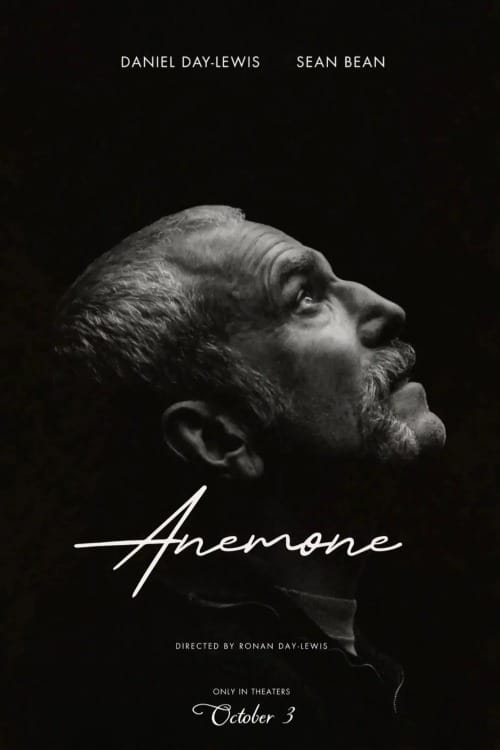
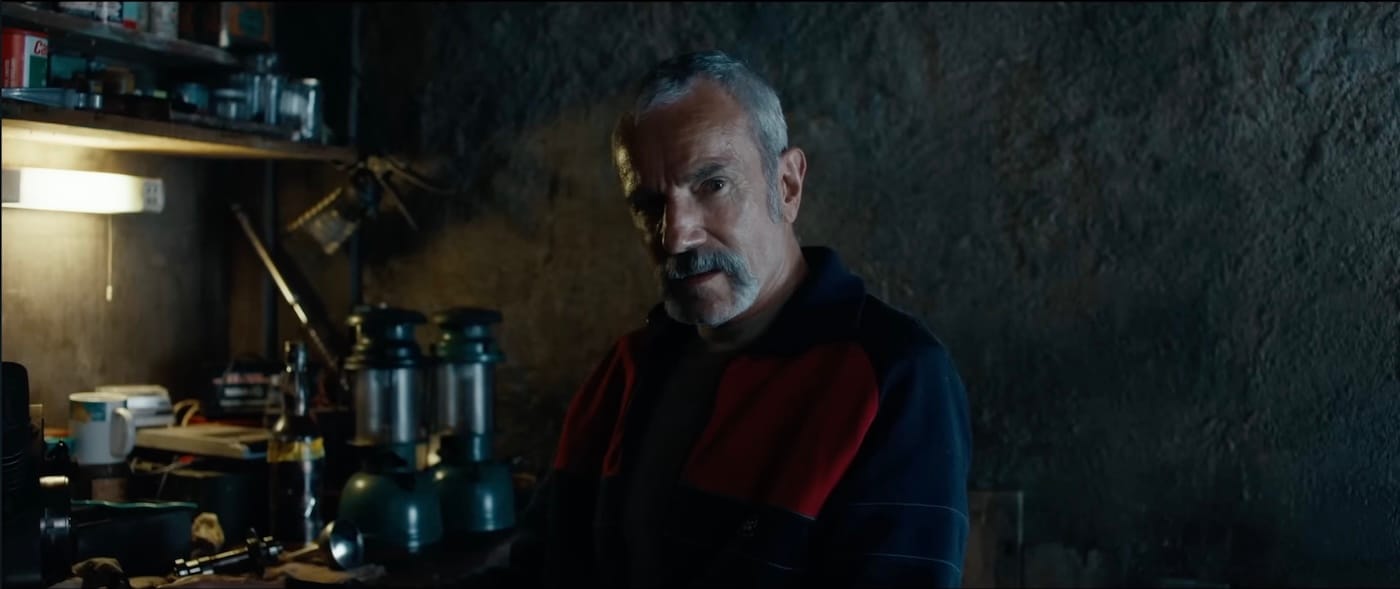
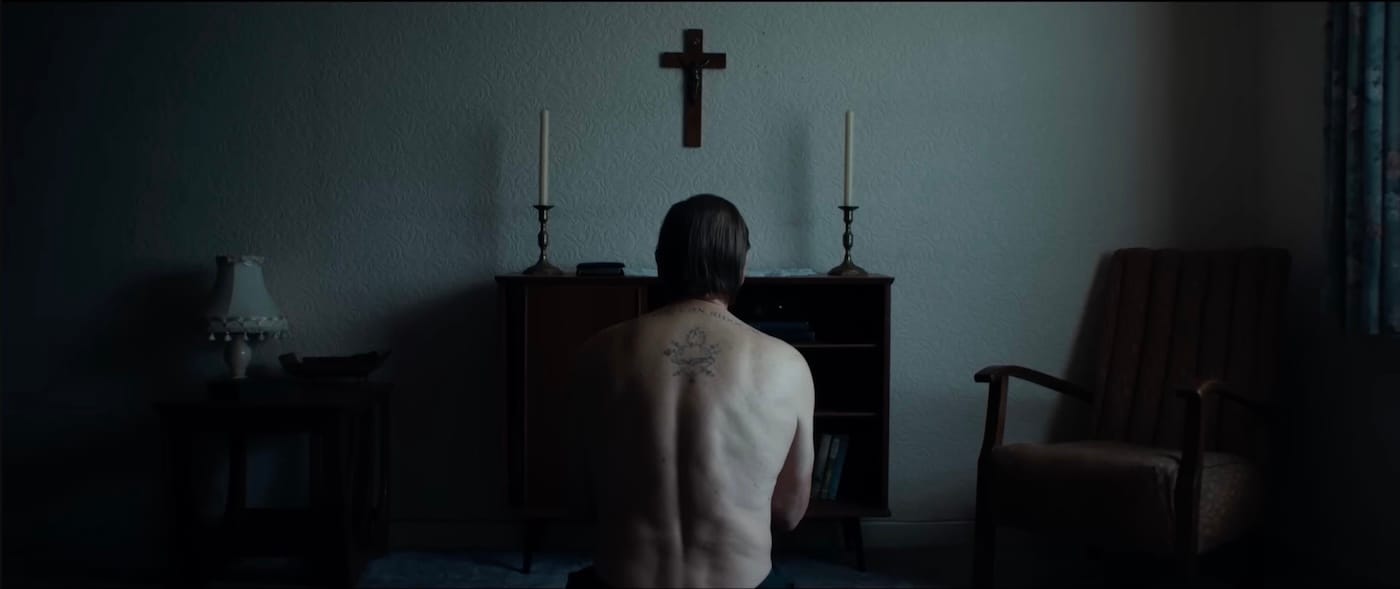
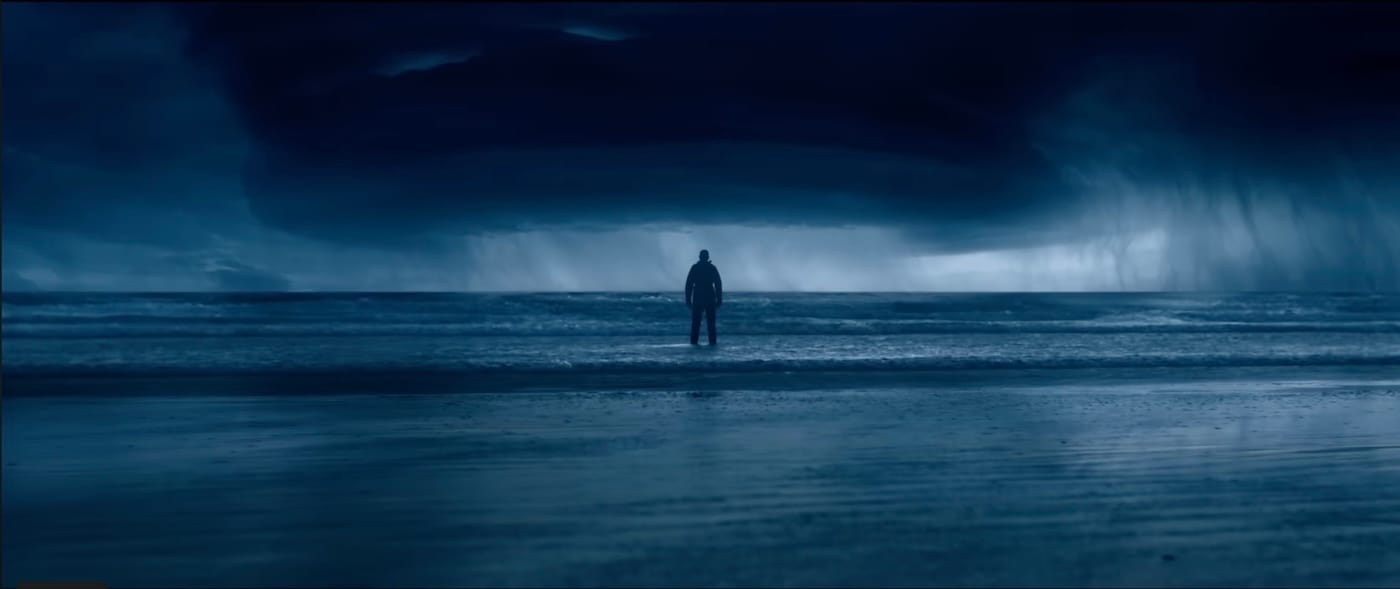
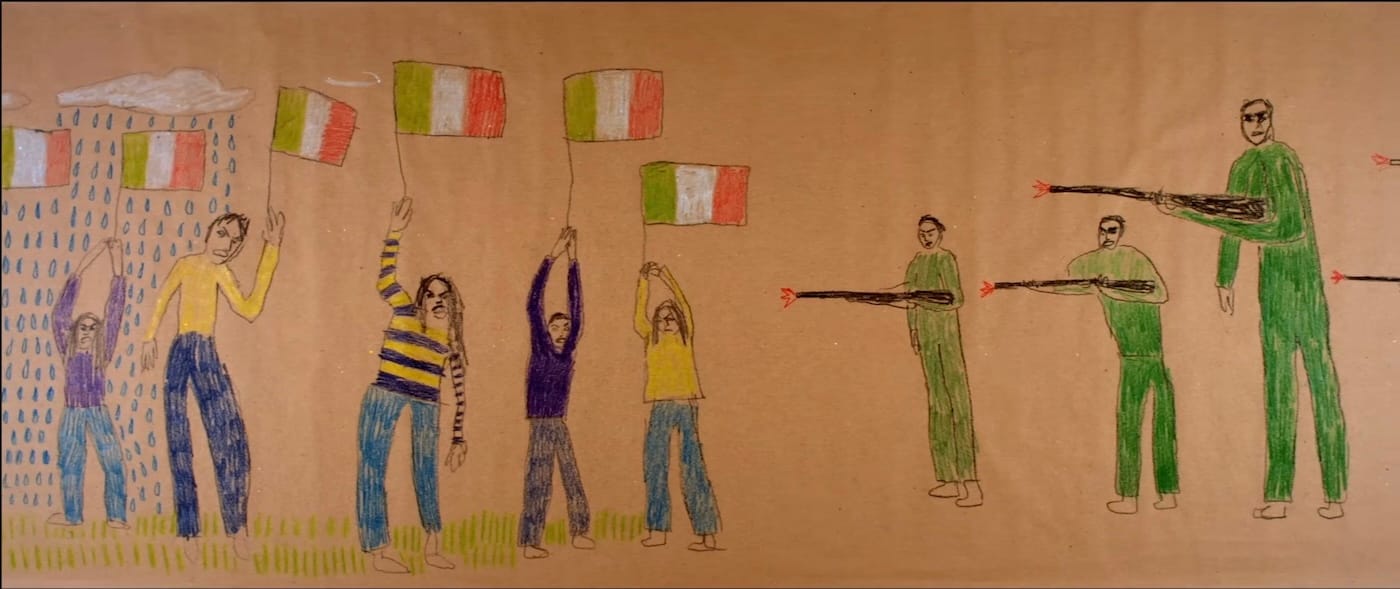
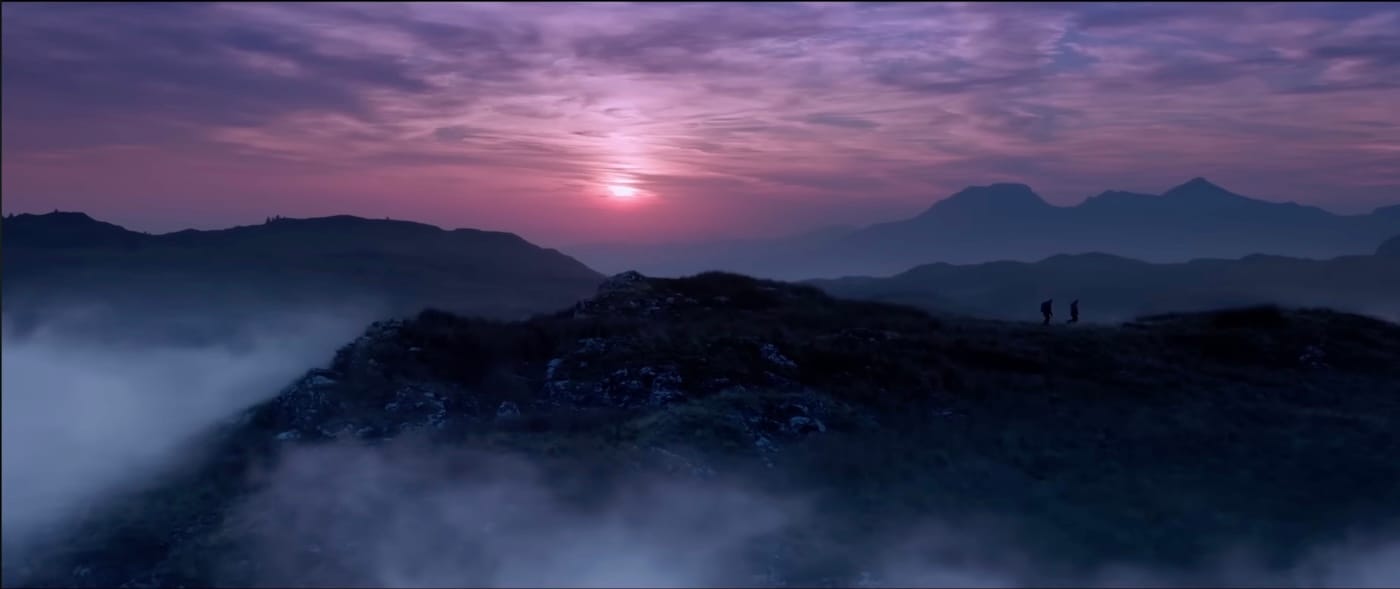
A retired and deeply traumatized veteran of the Troubles in Northern Ireland, Ray Stoker (Daniel Day-Lewis) lives deep in a dark forest. When his brother Jem (Sean Bean) leaves home to try and draw his brother back into the world, back into sanity, toward the possibility of healing, and toward the possibility of taking responsibility for the son he abandoned, things become predictably fraught with rage and violence. But Brian, Ray’s son, needs him. His young life is at a turning point, as he has been sent home from the army for responding violently to taunting about his “crazy” father. Can Ray return? Can he face the woman (Samantha Morton) he abandoned, and with whom his brother Jem has made a family?
Here’s my full review of the film from October.
20.
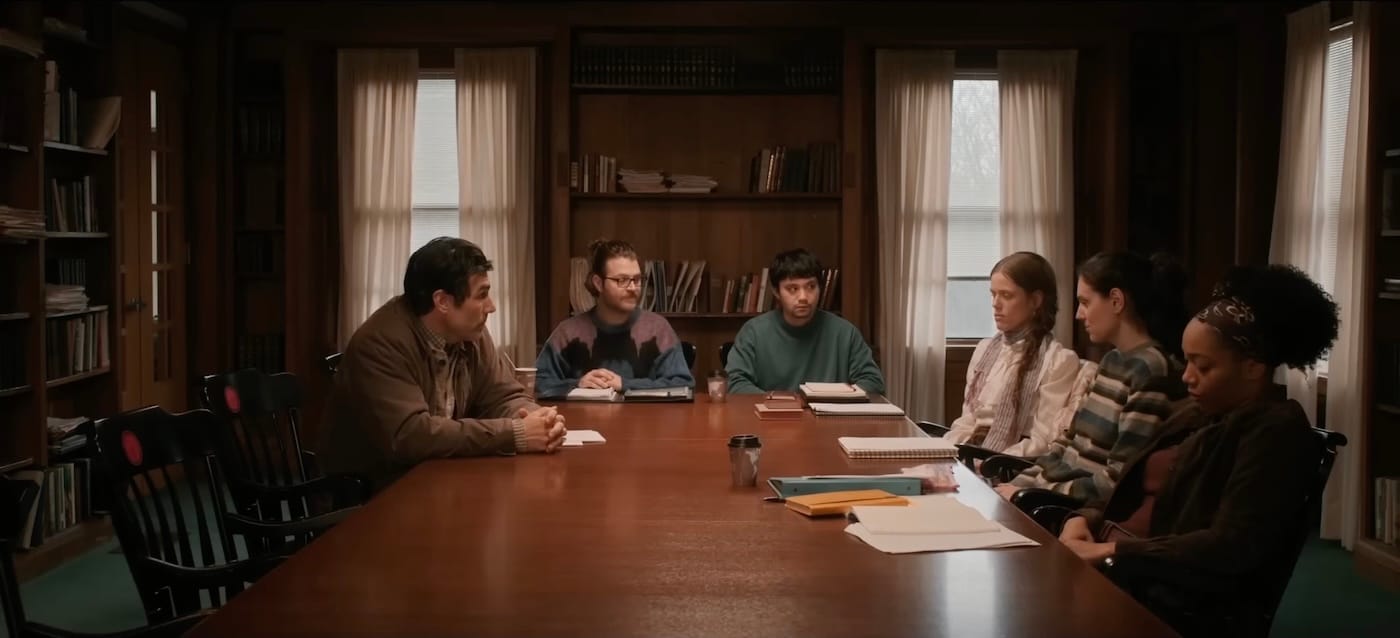
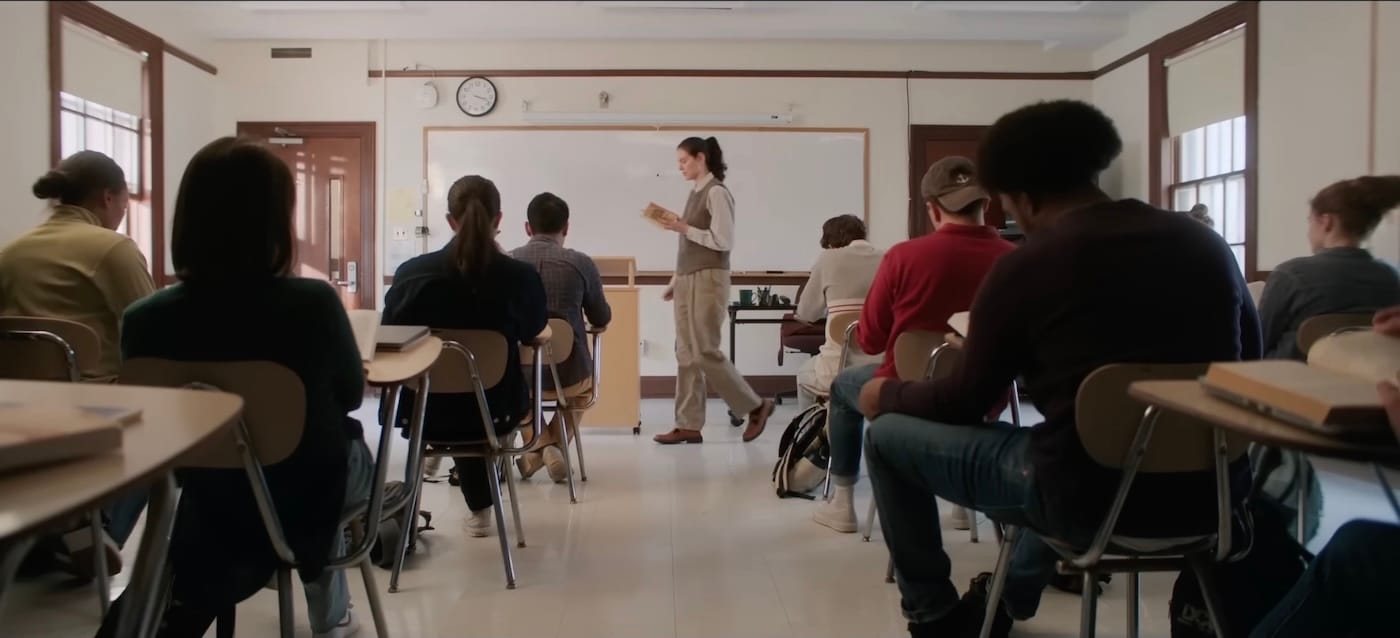
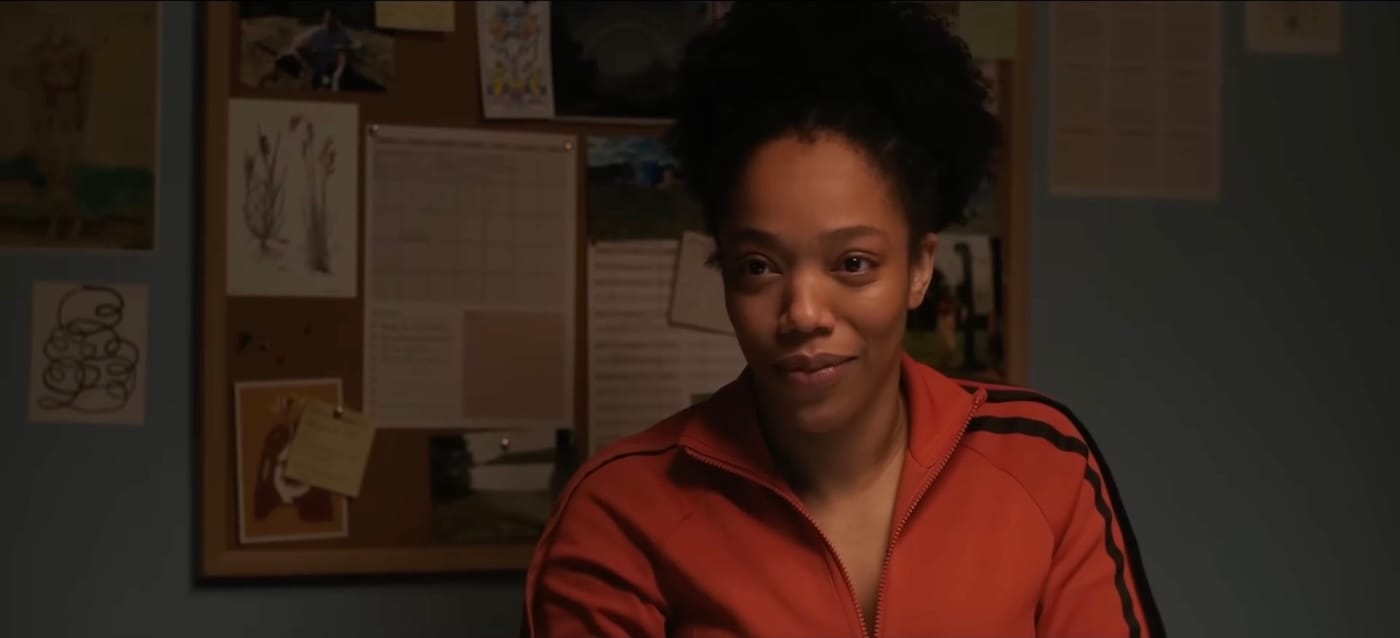
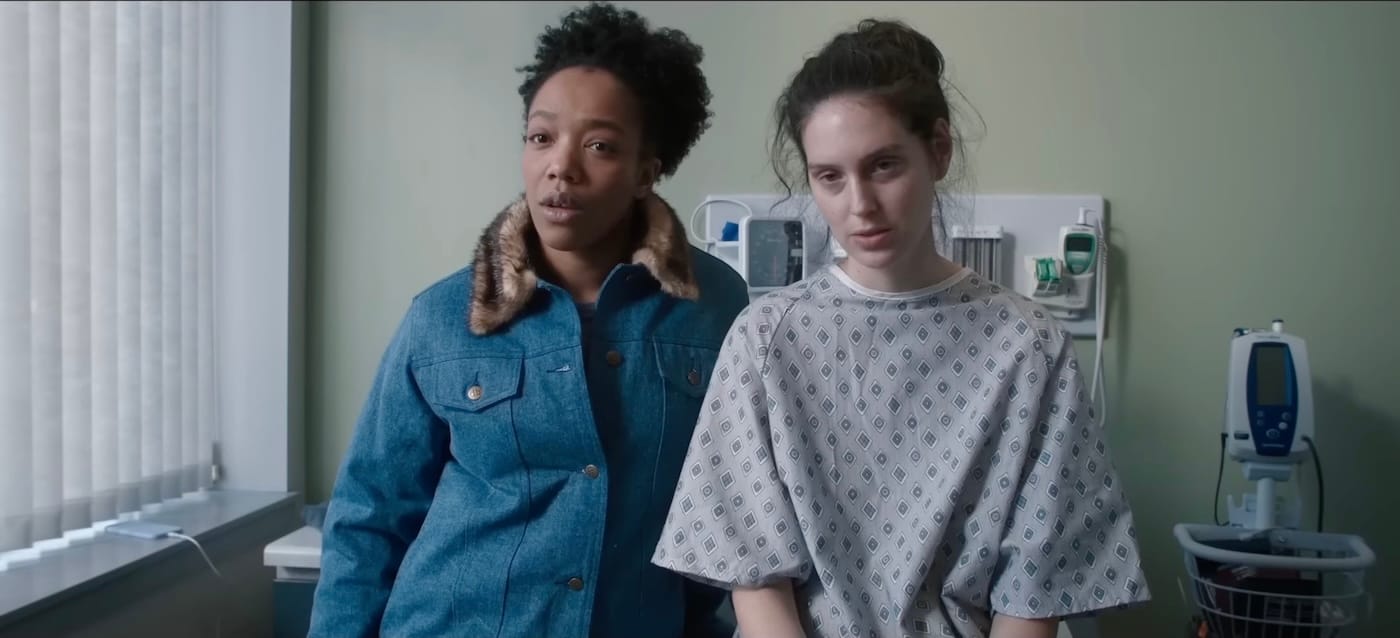
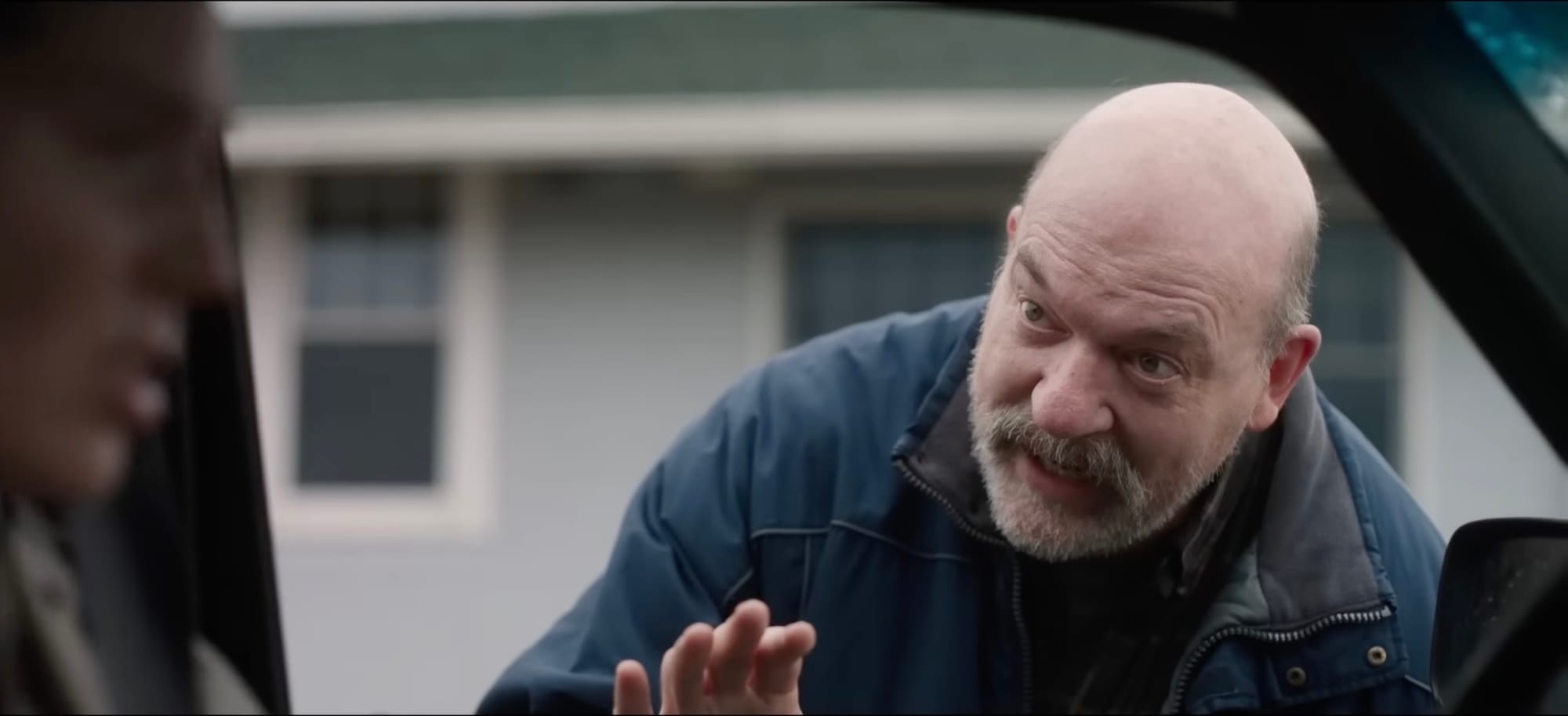
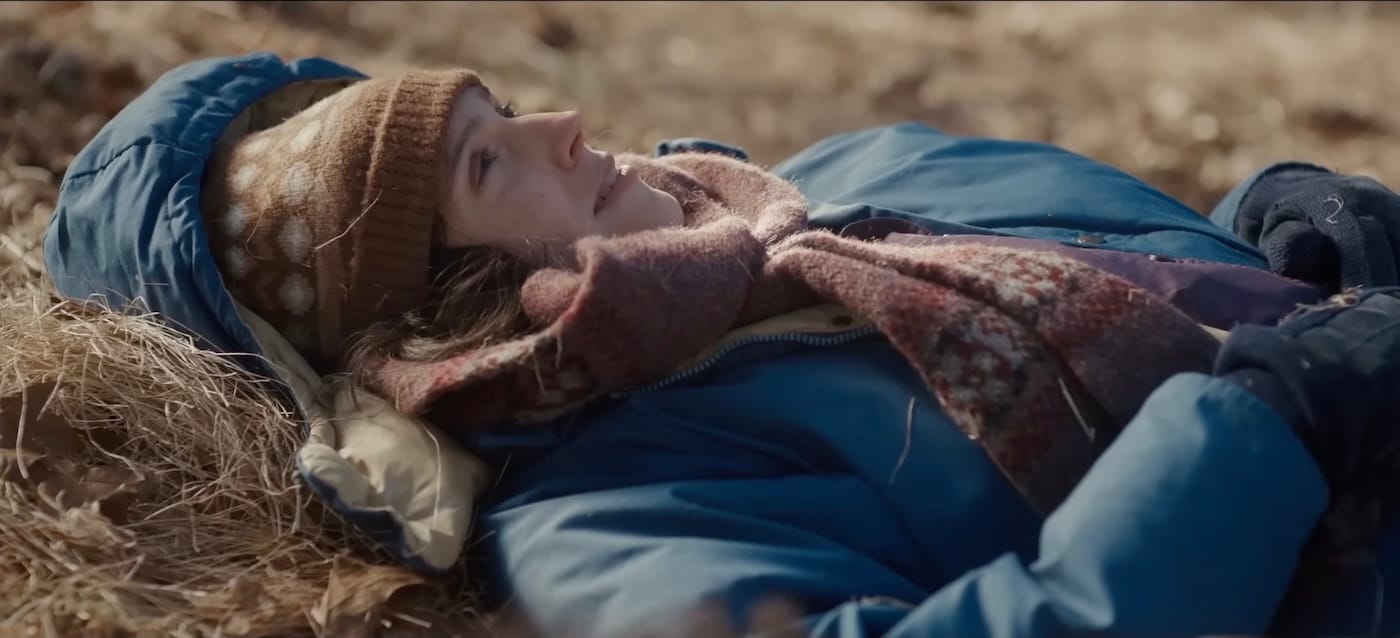
Sorry, Baby
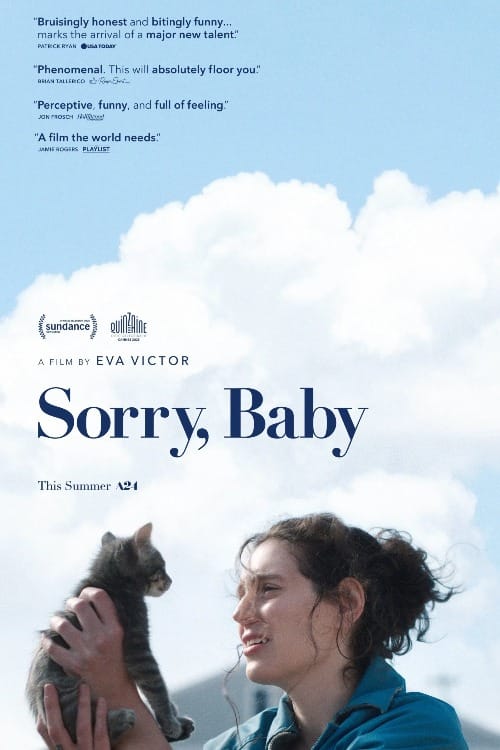
director and writer: Eva Victor
Here’s my full review from August.
19.
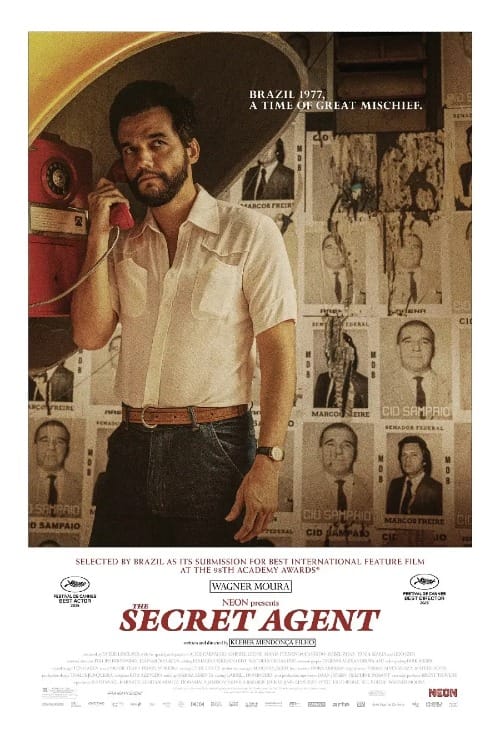
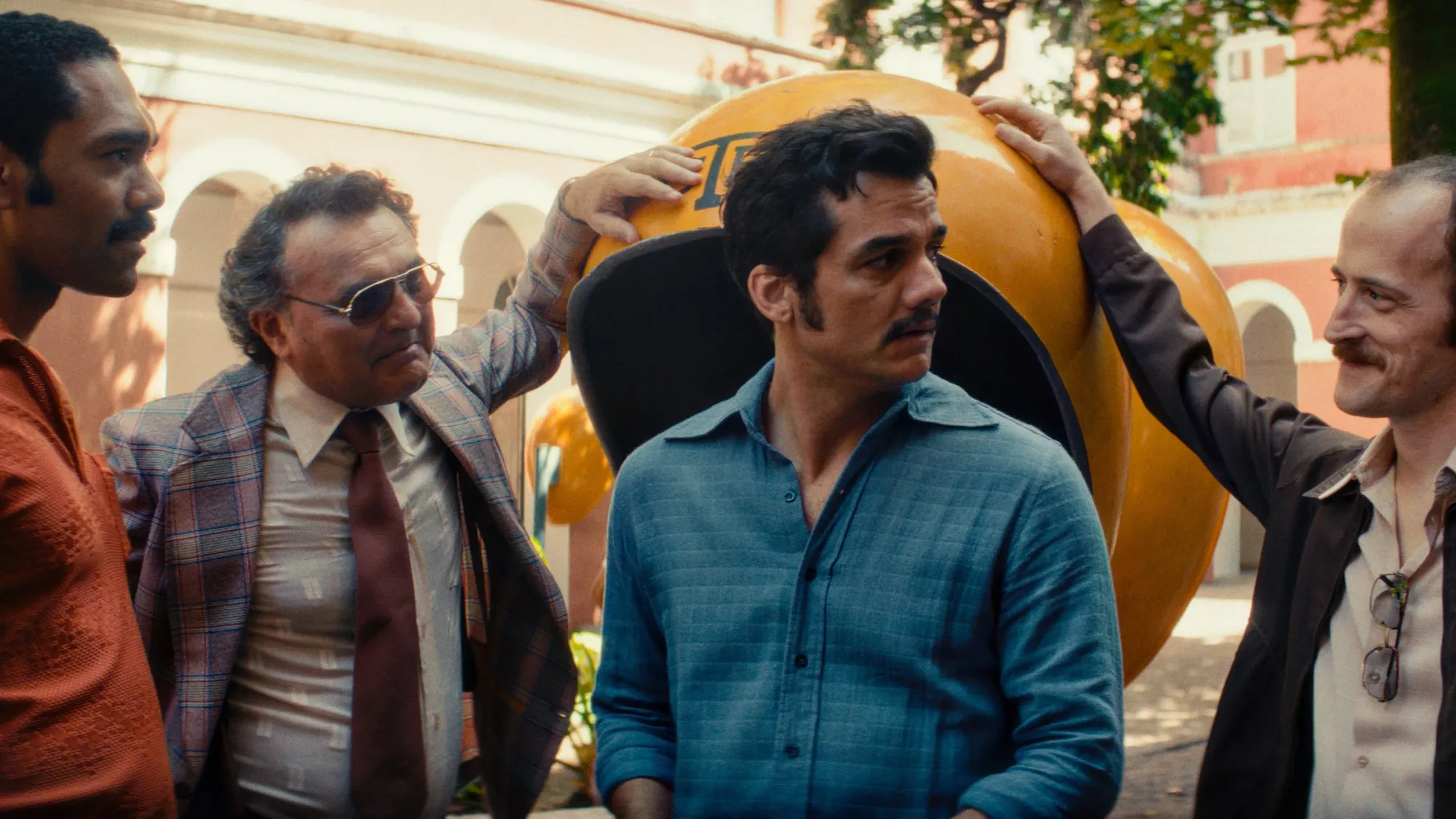
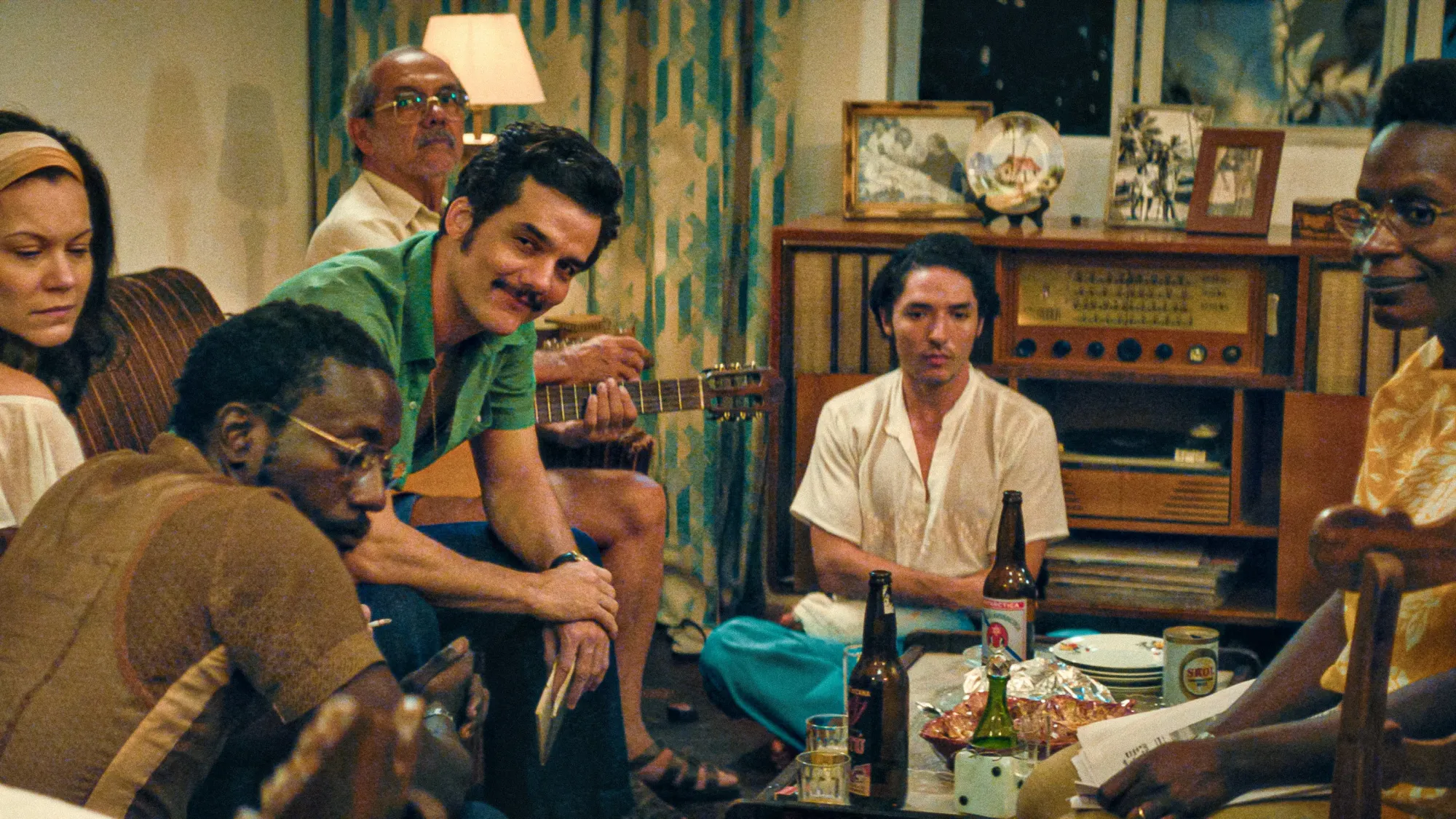
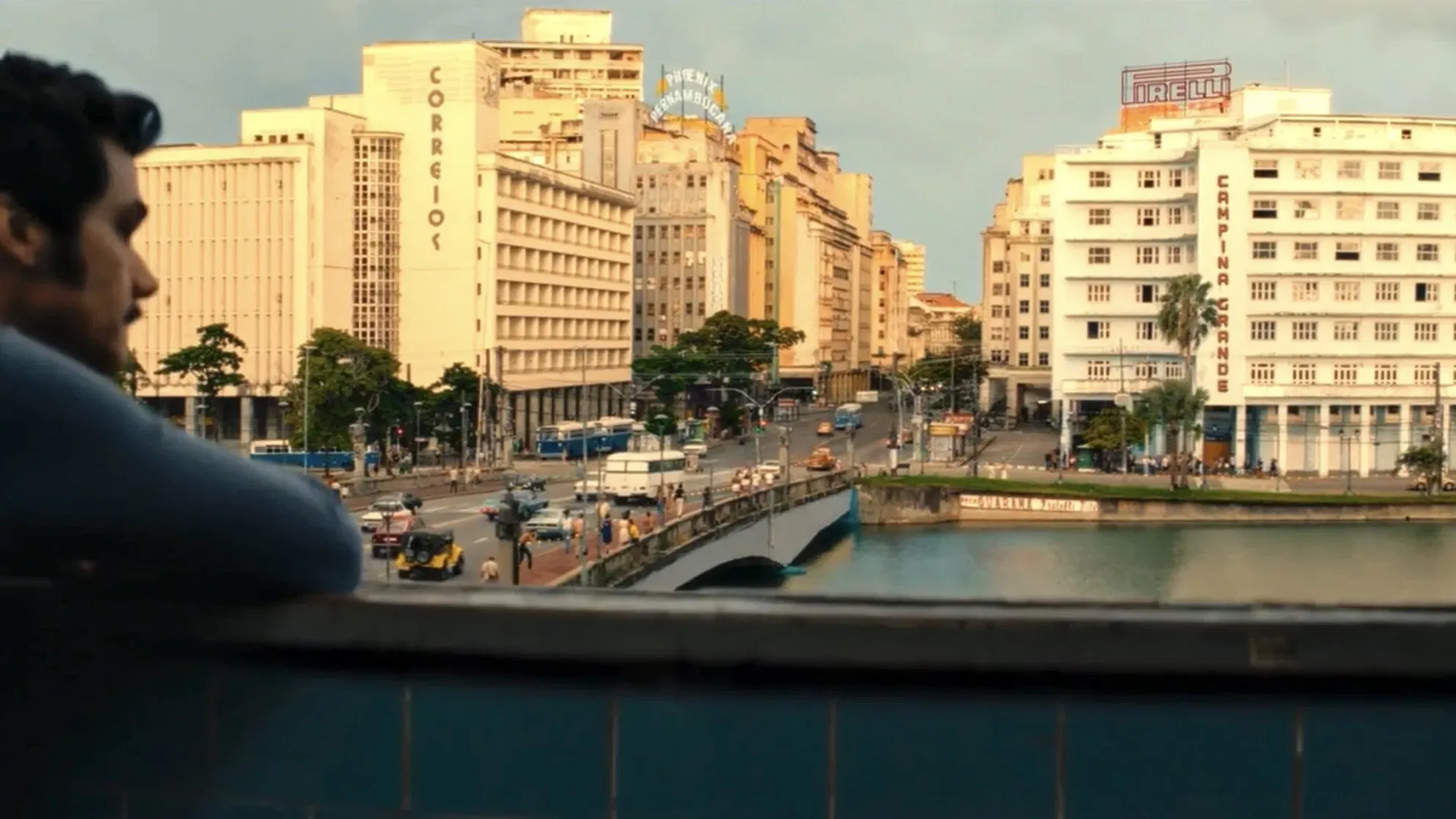
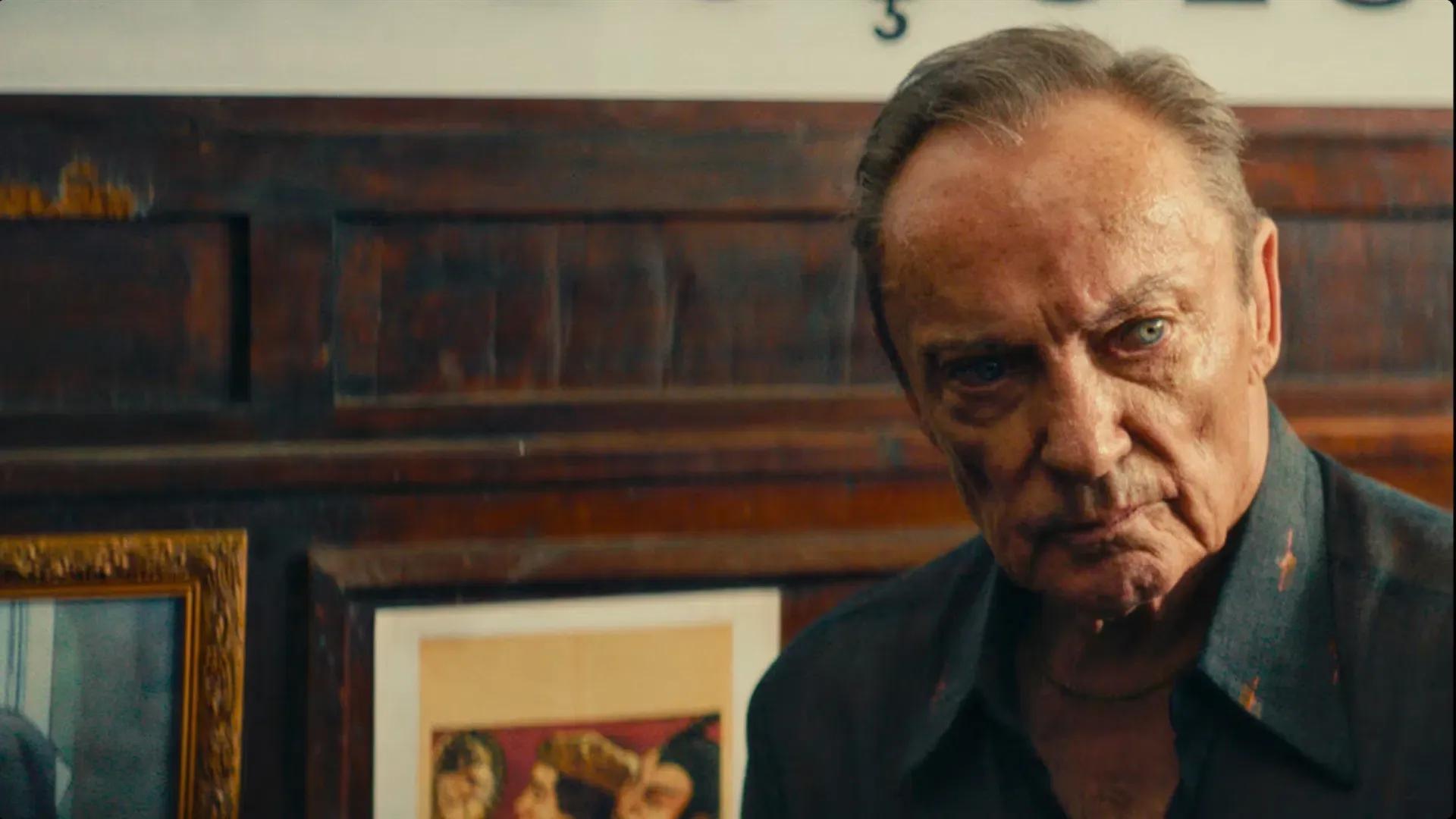
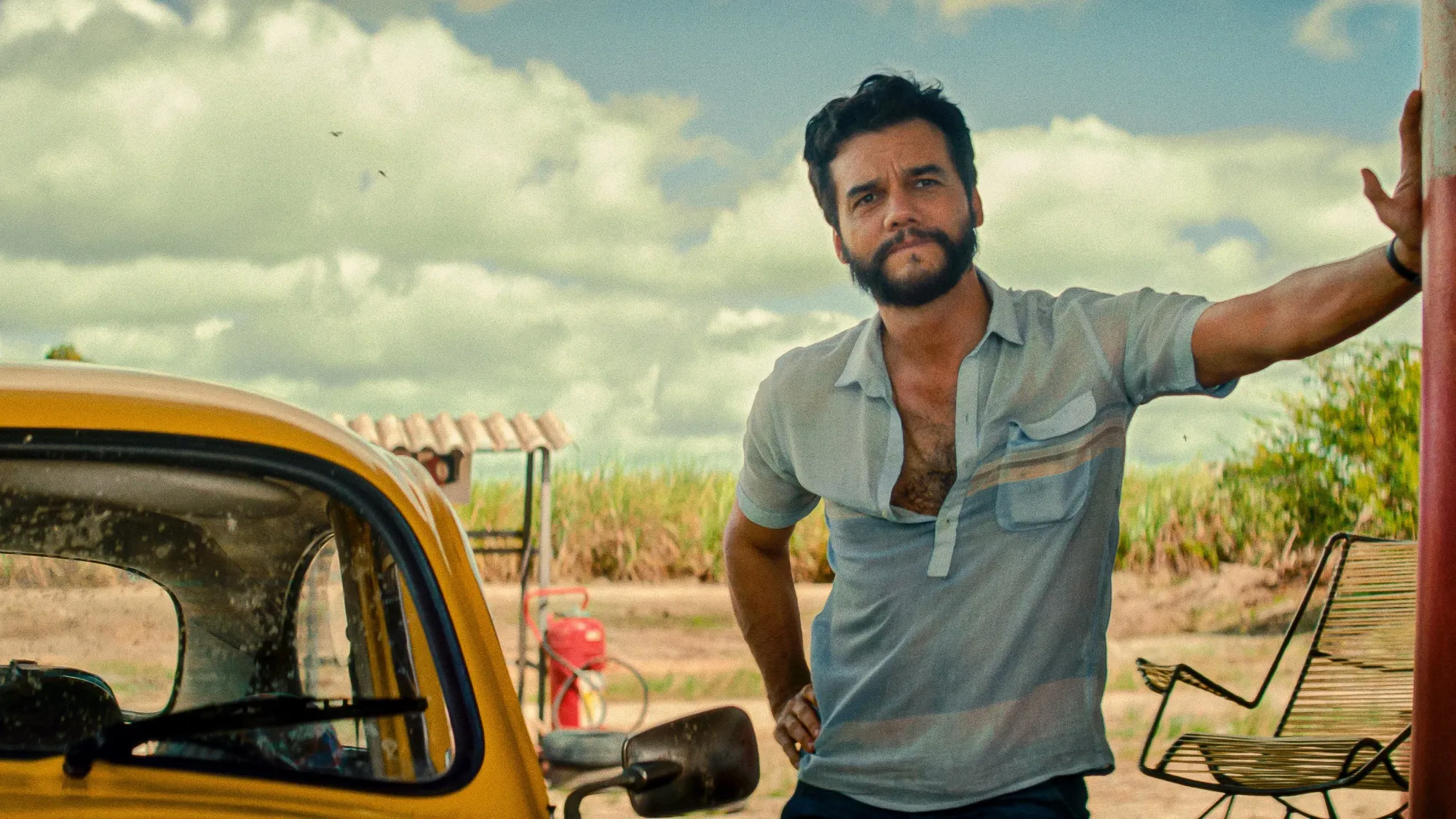
The Secret Agent
director and writer: Kleber Mendonça Filho
Letterboxd synopsis: “In 1977 Brazil, technology specialist Marcelo, fleeing a mysterious past, returns to Recife in search of peace, but realizes the city is far from the refuge he seeks.”
Letterboxd posts I recommend: Read notes by James, Becca, Carlos Valladeres (his first post and then his second post), Josh Larsen, and Sam Van Hallgren,
What I posted the first time I saw this film:
- Hard to watch movies that show you a Stage 4 case of a disease like the one your own country is now beginning to suffer. One country’s horrific history is almost certainly another’s prophecy, if not its present, thanks to all who fall for the obvious fear-mongering and manipulation (“Law and order!”) of satanic, power-obsessed men.
- “Long live collective idleness.”
- Here’s to the woman who left with her two small children — maybe three or four years old? — at the 30-minute point. The children were murmuring disappointedly, as if they’d been expecting Spongebob and instead had seen a dead shark cut open and a blue human leg pulled out of it. As they left, the next subtitles were “Who was that woman? I’m curious.” I think we all were.
- Stay for the last moments of end-credits audio.
- I, too, was too young to see Jaws, but saw the poster and was scared by and thus obsessed with it, and responded by drawing my own version to resolve the tension. So, in every sense, I am Armando.
- “When we think of someone, it’s like having them with us.”
18.
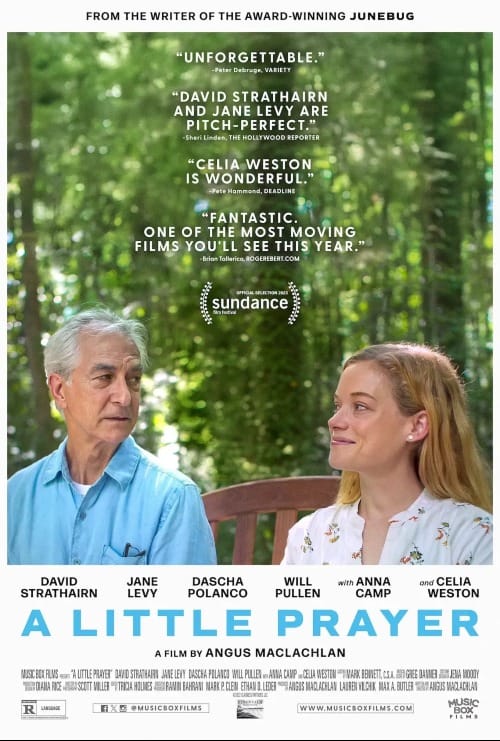
A Little Prayer
director and writer: Angus MacLachlan
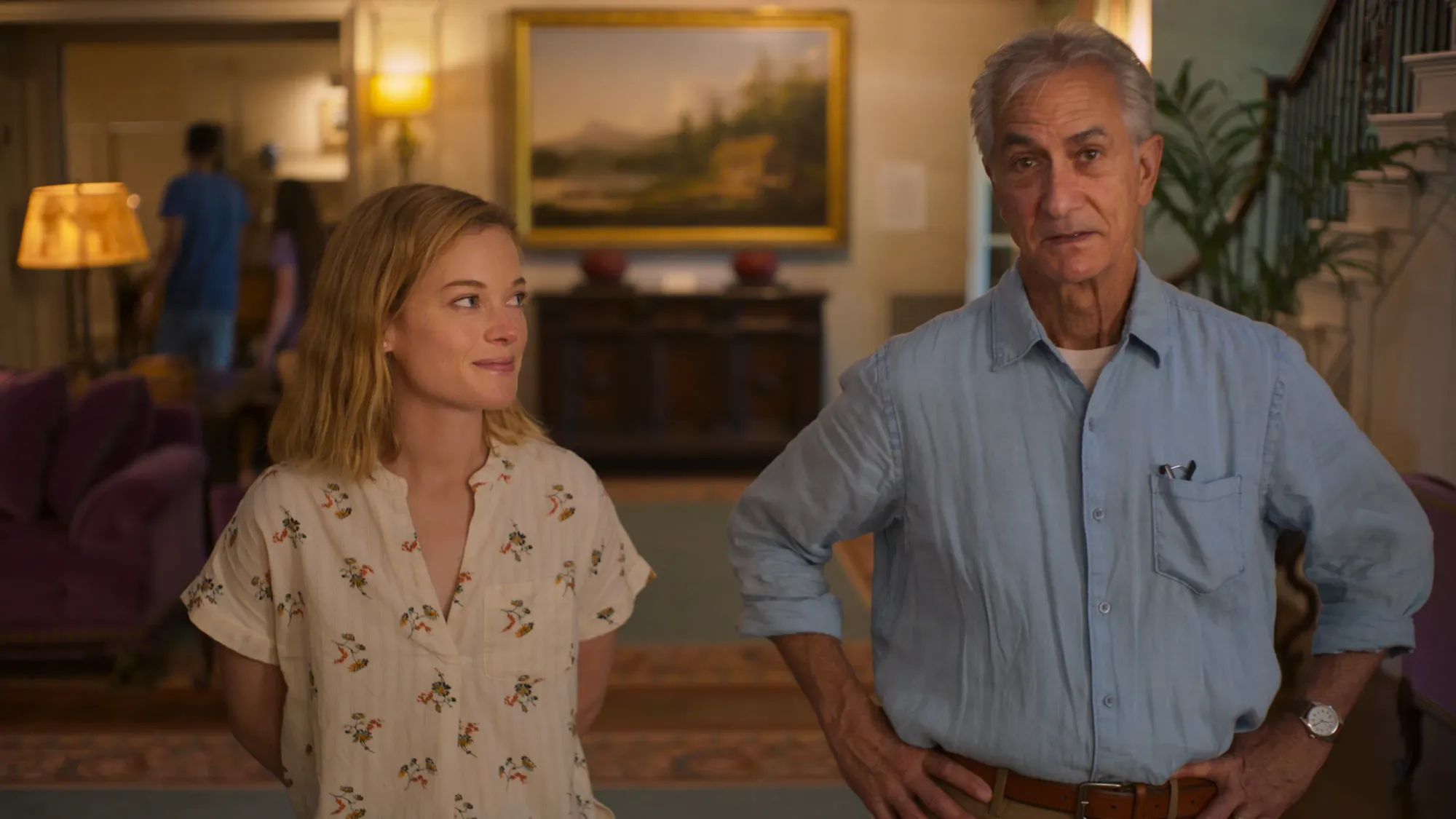
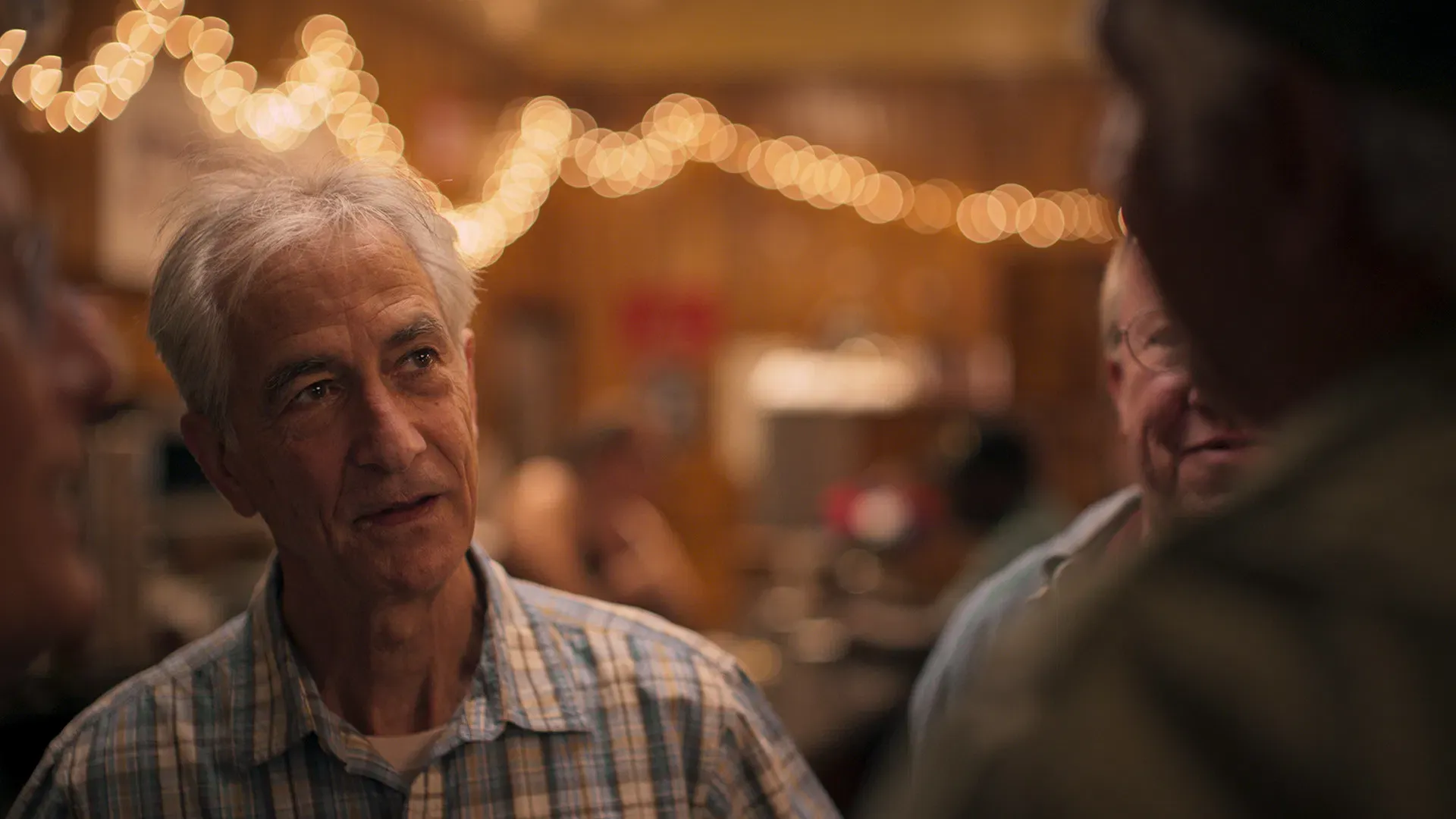
Featuring — my favorite performance of the year, by the great David Strathairn. In fact, you’ll find the great Michael Koresky praising Strathairn’s performance as one of the most exquisite of 2025 at the authoritative Film Comment.
What I posted when I saw this film for the first time:
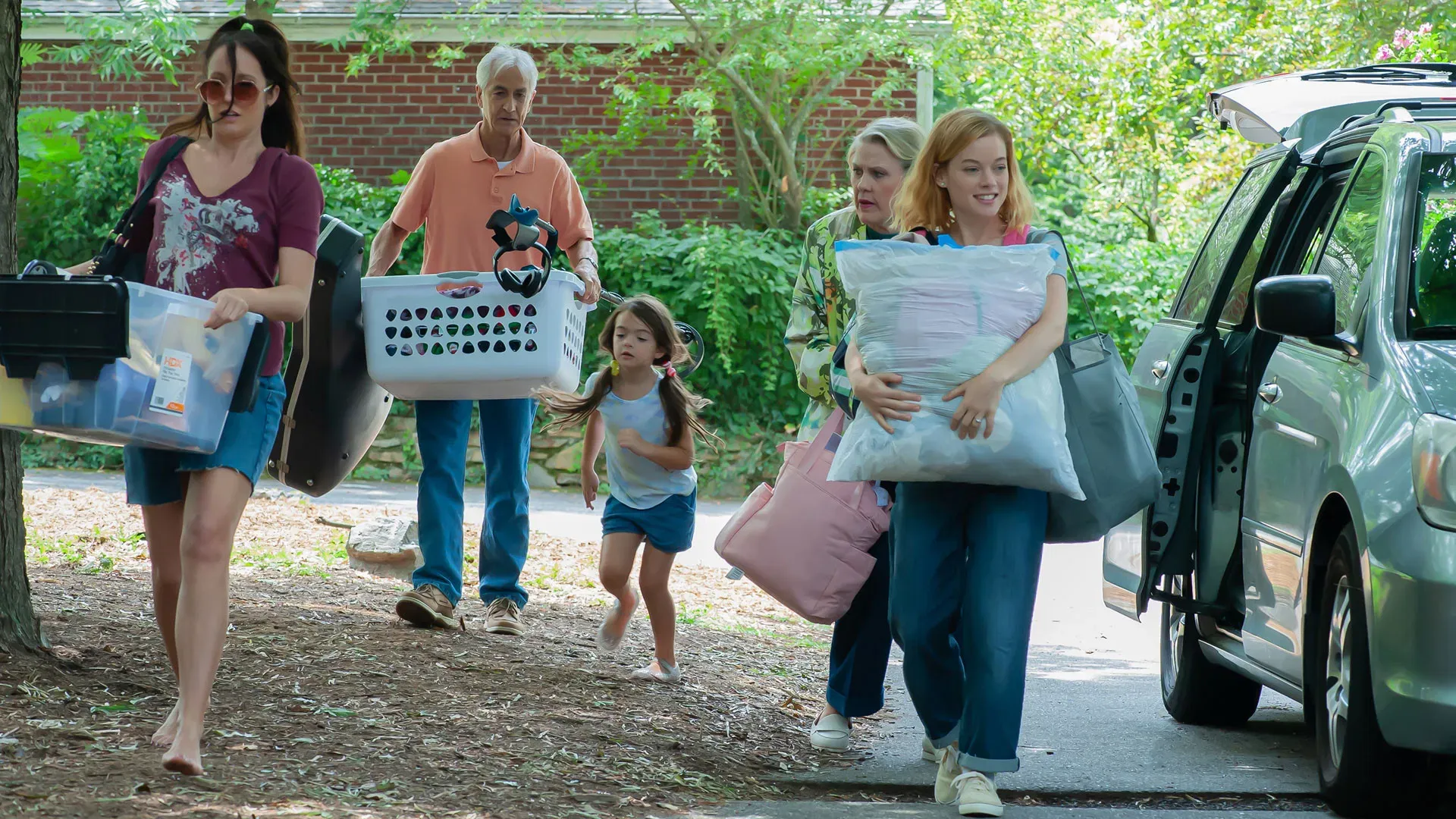
- Sometimes a strong screenplay and one extraordinary performance by a veteran are enough to make a meaningful, indelible impression. There’s a lot in this movie that feels undercooked — but oh, the entree of Strathairn’s performance, in harmony with the supporting turn from Celia Watson.
- During the trailer for A Little Prayer, I said, “This is giving me Junebug vibes.” And I meant that as a high compliment. Junebug lives in my memory as a singularly large-hearted and gracious work about American families and cultural divides. I love that family drama, directed by Phil Morrison and written by Angus MacLachlan, for so many reasons. I hadn’t yet realized that this movie is, in fact, written and directed by MacLachlan.
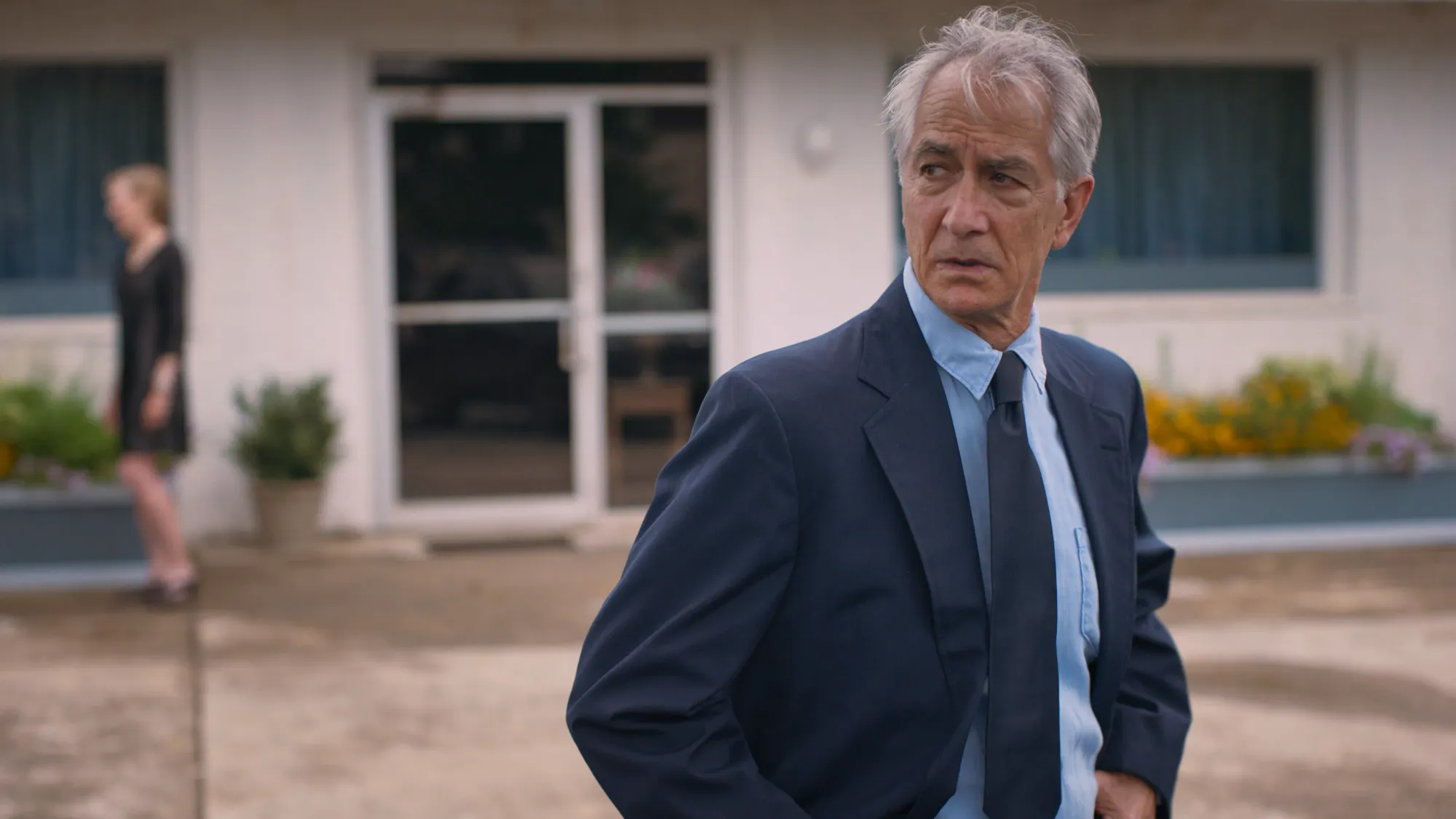
- Anne and I gambled and made A Little Prayer our Christmas Day movie this year, and it was profoundly affecting for both of us. We talked about it for a long time after the credits rolled. And it’s going to rate highly on my year-end list.*
- Compared to Junebug, A Little Prayer needed stronger direction to become more cinematic. It feels (and often looks) like a play filmed for television. And, with its small ensemble, its dialogue-focused drama, and only two or three key locations, it has strong potential for the stage. But still, while MacLachlan’s ensemble are not uniformly strong, he does give great actors room to be great, and he has the great David Strathairn and the great but rarely appreciated Celia Watson doing some of their finest work here. And he has also a very good Jane Levy — an actress who is new to me, but not to many of you — who is effective during some difficult moments at the end, bringing the film to a conclusion that really surprises me.
- Some films impress me with imagery, some with writing, some with performances. This is an actor’s showcase, one that draws me in to a family crisis and sends me away wrestling with questions that I don’t think a movie has prompted me to consider before.
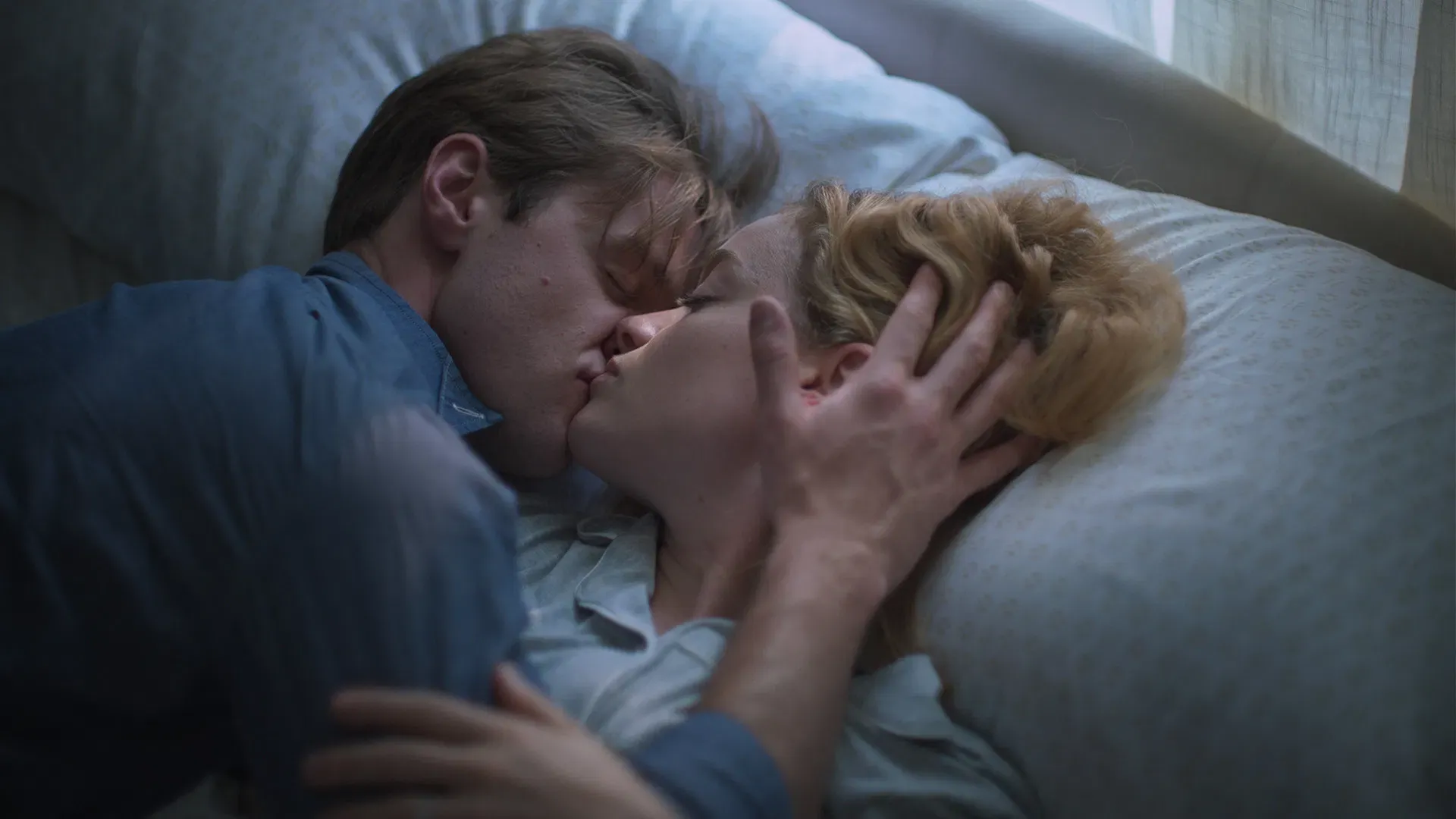
- As it unfolds, A Little Prayer reveals much heavier, messier, more complicated relationship troubles than I’d anticipated, avoids moralizing, and becomes something difficult and true. It explores a very particular danger that I rarely see films acknowledge or address — a danger that I take very personally, as I’ve learned such lessons the hard way more than once.
Once, many years ago now, I heard close friends express concern about the behavior of someone else in our community. Now, I too was concerned, especially as these claims made me believe that a marriage was at risk. I decided, with good intentions, to ask some questions and, perhaps, intervene. But it was, as they say, “none of my business.” Not even close. And, it turned out that the worried gossip had been totally wrong — they’d witnessed some unusual exchanges, and they had tragically misinterpreted them. Now I was caught in the middle of it all, disrupting others’ trust in me. My love, complicated by scars from past betrayals, had driven me to overstep personal boundaries. It haunts me (and it influences me) to this day.
- Not long after that, I was reading a friend’s memoir, having promised to review it. Another friend spoke up: “Readers have told me that I’m in that book and that I’m portrayed in a very unflattering way. Should I get a lawyer?”
Oh no!
I went to the writer and said, “I’m so sorry — I don’t think I can review your book objectively at this point, given how someone else has complicated my experience of the book. I may, in fact, find myself caught between you, who I care about deeply, and this Someone Else you describe as harmful, who I also care about. This is a dangerous and painful position that I find myself in, and it disrupts my critical capacities. I think it’s for the best if I prioritize our relationships, and withdraw from reviewing the book for now.”
The writer was furious, told me I didn’t know what I was talking about, told me that my response was presumptuous and inappropriate, and that I was somehow doing her harm (which still confuses me, as my intention was quite the opposite). I lost a friendship that meant a lot to me that day. It’s a wound that flares up frequently, and I have no idea what to do about it.
As Kermit the Frog so often and so profoundly says: Sheesh. - I’ve never been a father, as Strathairn’s character Bill is here. And so I’ve never had to watch as my adult children grow older and make potentially devastating mistakes. I’ve never had to learn how to set boundaries for myself in that dynamic. Nevertheless, as I get older, my face is looking more and more like Strathairn’s does here — permanently distraught. Love can leave you in ruins, even and maybe especially when you try to do “the right thing.” Even actions taken with the best intentions can hurt people and leave you embarrassed and grieving.
Such experiences could scare me into a state of fearful disengagement. This week, as I was contemplating the minefield of holiday-season family conversations, I heard the airport loudspeakers say, “If you see something, say something!” That’s exactly what Strathairn’s character does here — out of love for his daughter-in-law, his son, his daughter, and his wife, and the consequences of acting on his conscience nearly destroy him.
- Indulge me for a moment, as I raise my John Cusack boom box . . .
Love — I get so lost sometimes
Days pass, and this emptiness fills my heart
I get so tired, working so hard for our survival . . . - We cannot fix everything. We cannot even fix ourselves. As the imam teaches in Sissako’s Timbuktu, a jihad is something you can only carry out against the sins in your own heart, adding (somewhat sarcastically) that you can move on to judging the sins of others once you are finished with your own.
Sometimes, it takes all of my strength to hold back and let God take care of the mess in front of me. Sometimes, I’m Edward Scissorhands, reaching out with the intention of helping, and then only making things worse.
As so many of us are, this week, moving into and out of complicated holiday gatherings, I realize, with the significance of the Christmas carol prominently featured in this film, that it is truly a Christmas movie. And a meaningful one at that. - This movie, by the way . . . more than it’s about marriage, more than it’s about parenting, more than it’s about trying to prevent calamity in your community, it’s about war veterans, about how the wounds they carry home are not always visible, and about those unresolved tensions can lead to further complicating quagmires on the homefront. Quietly, this is a film about the folly of military intervention overseas.
- *Wait, a movie that played for an audience in 2023 is going to be on my 2025 list? Yes. The film played Sundance in 2023, but it didn’t reach most of us until this year with a streaming release. I categorize my year-end movies based not on when they first played for a small festival audience somewhere, but on which year they became available to most mainstream audiences across America, with a wide theatrical release or an online release. That’s the year of ”arrival,” as far as I’m concerned.
17.
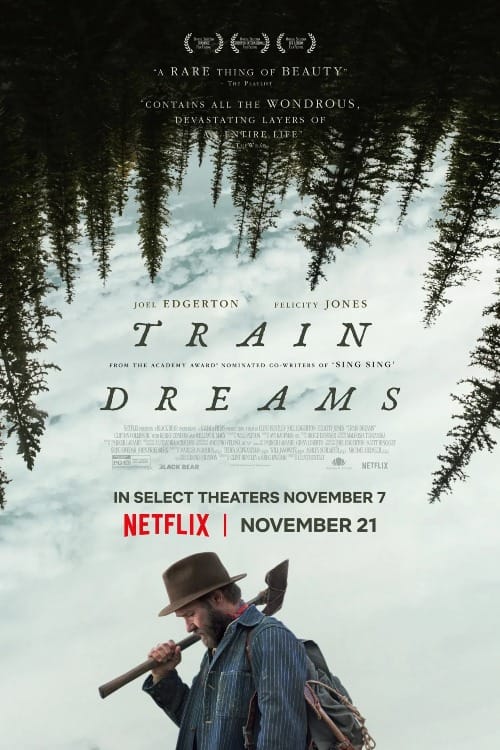
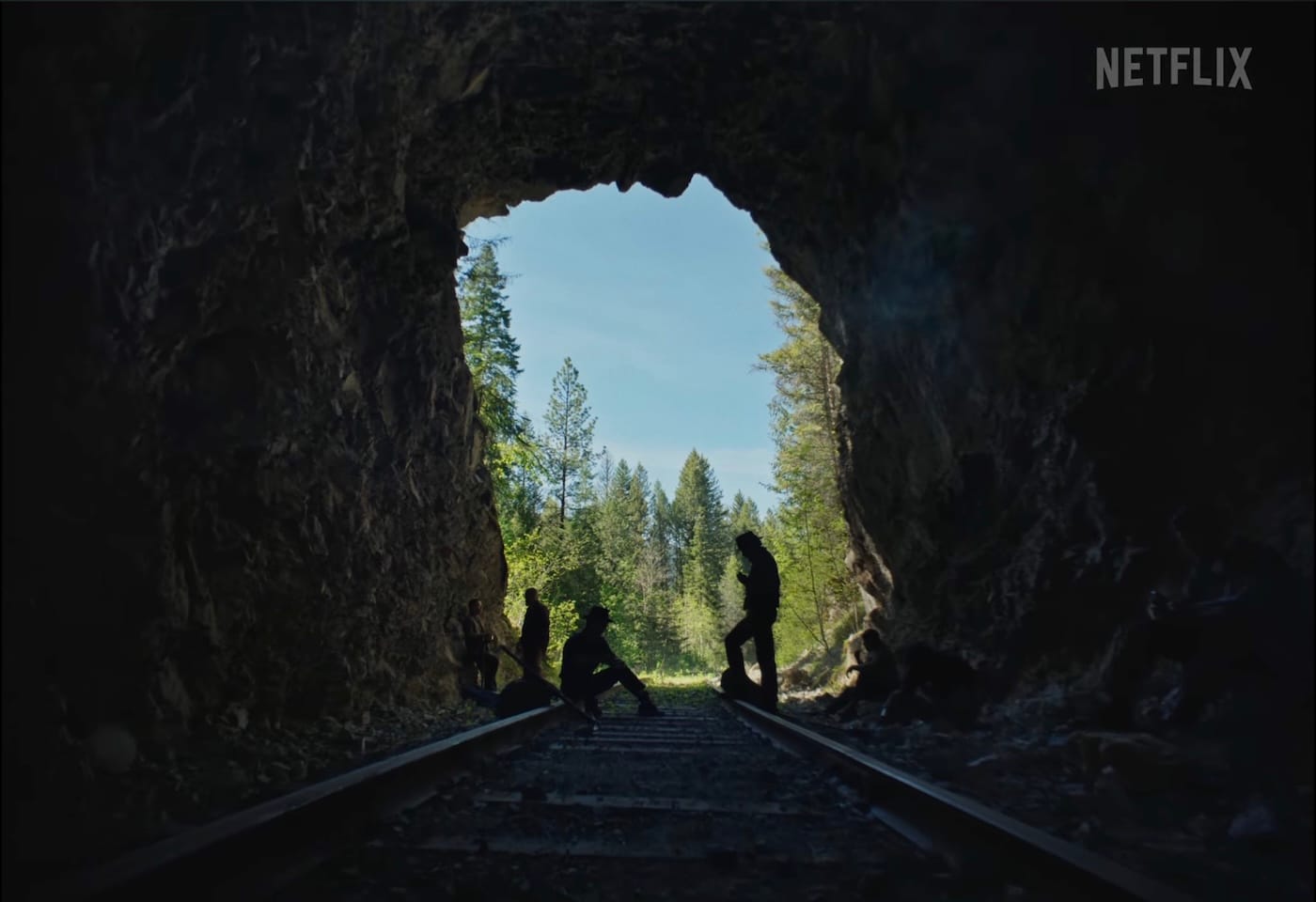
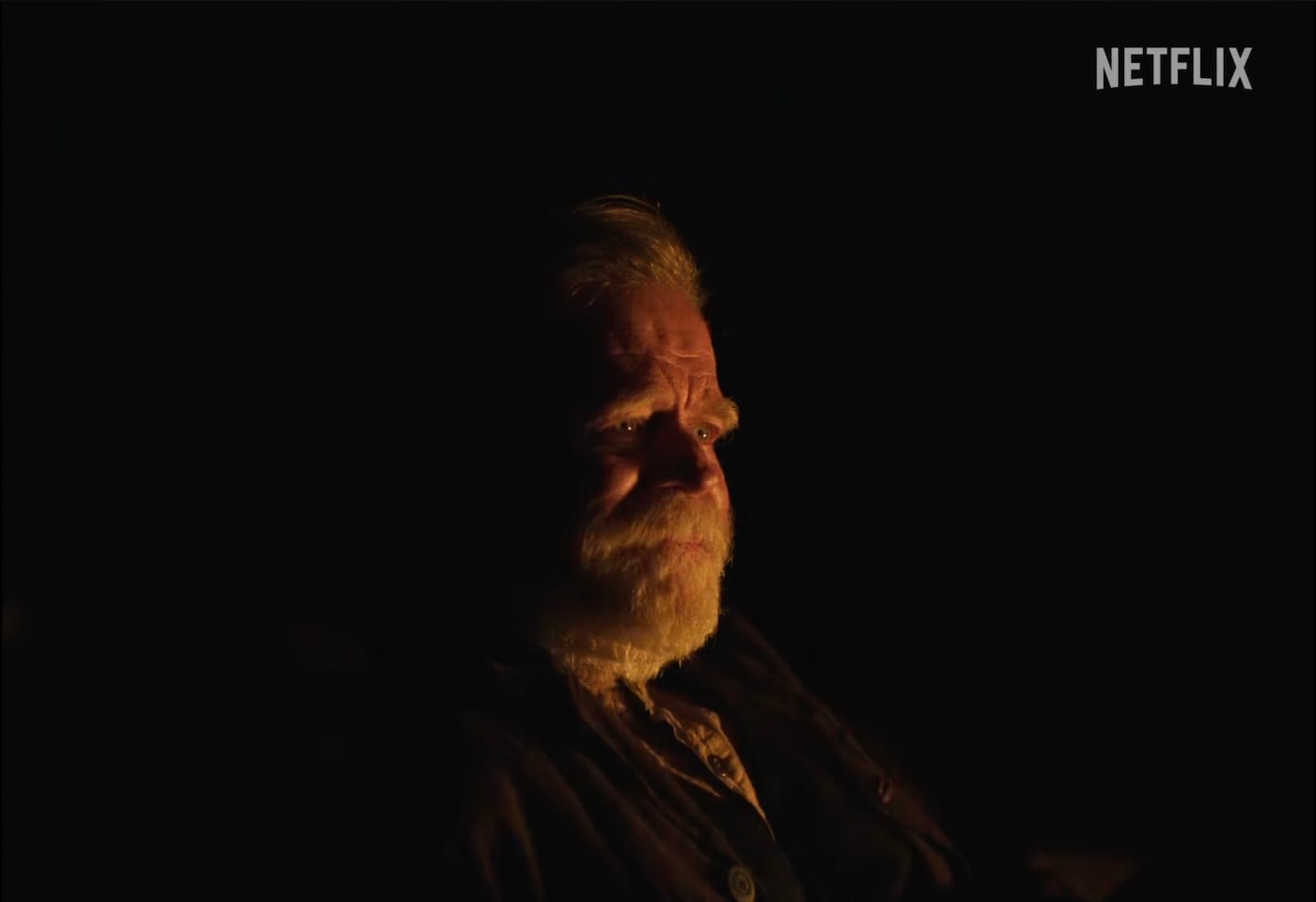
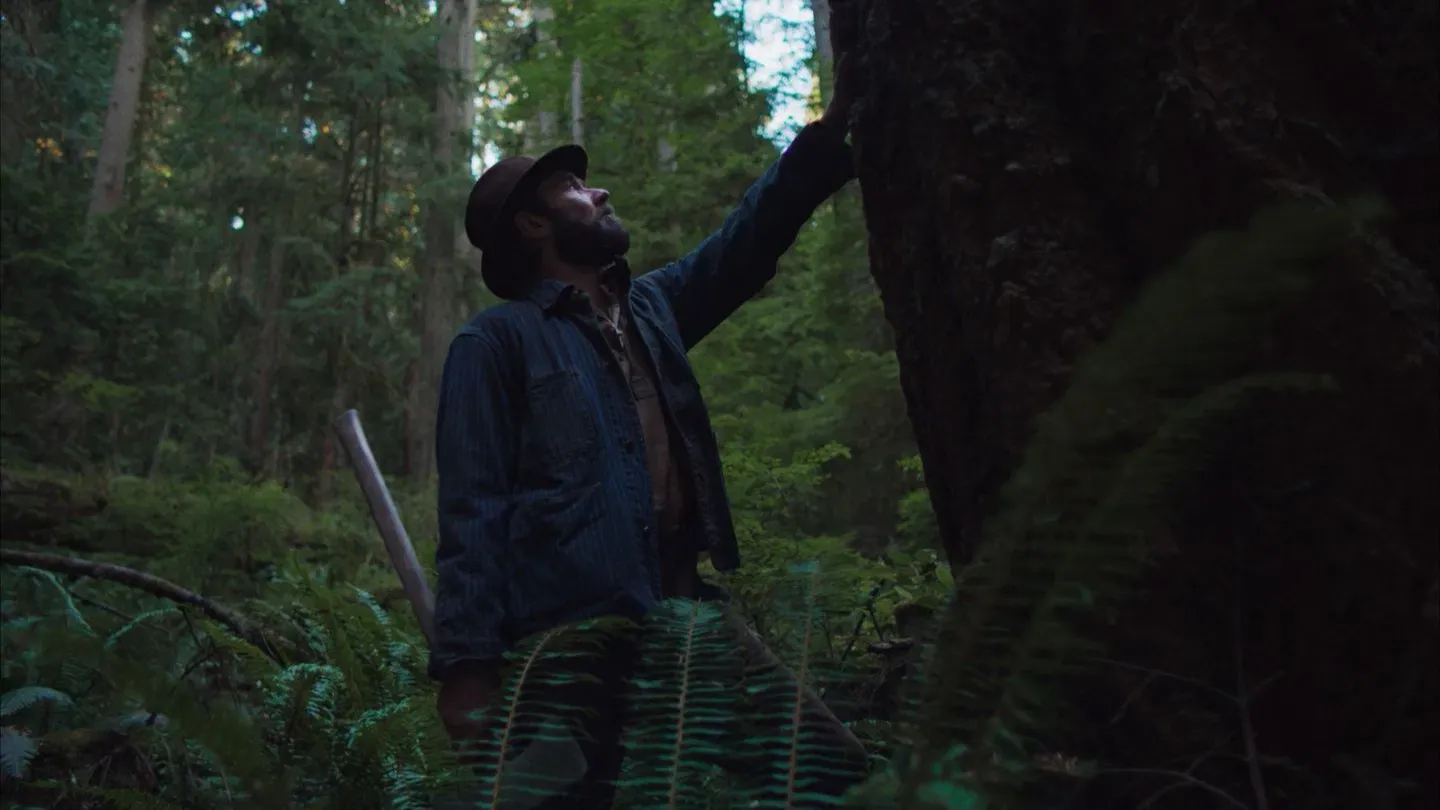
Train Dreams
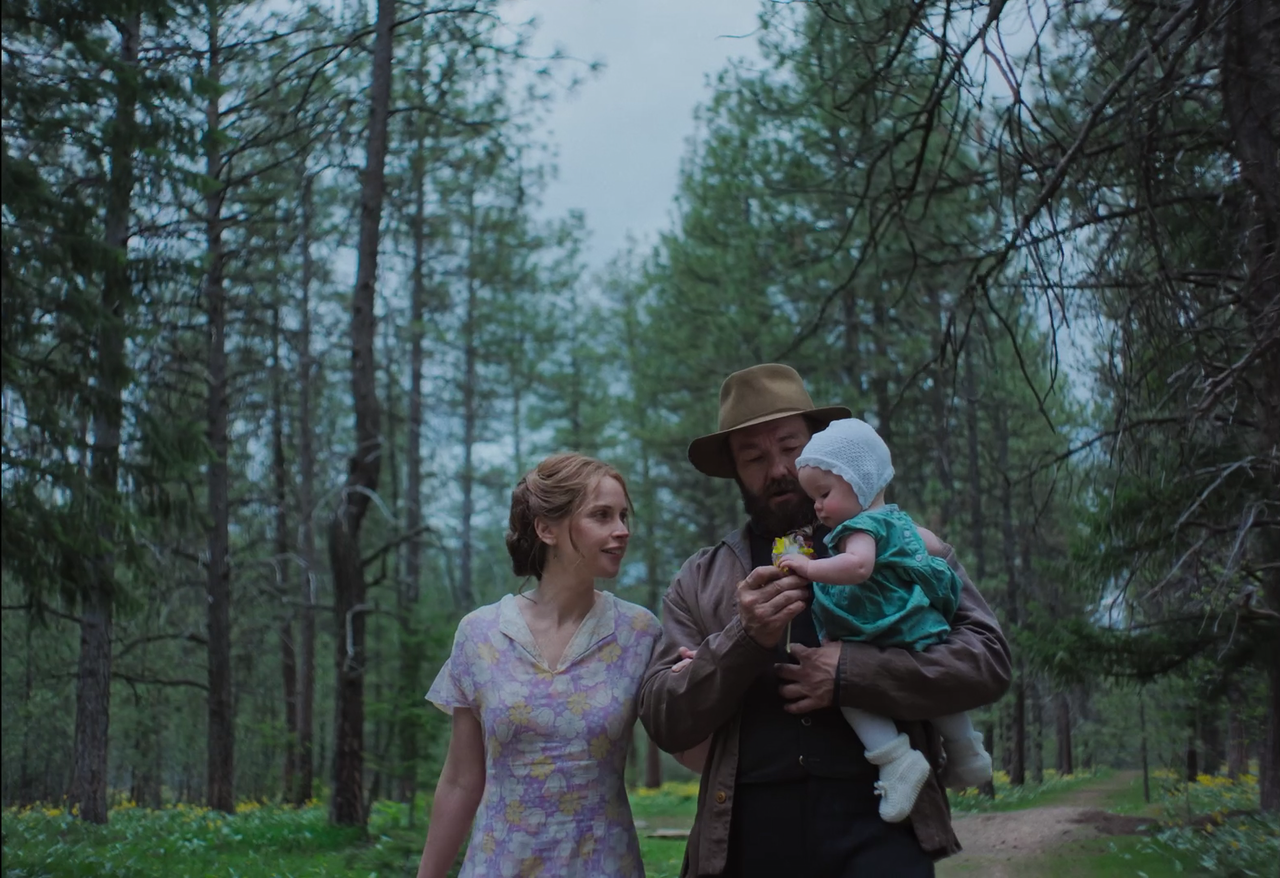
director: Clint Bentley | writers: Clint Bentley and Greg Kwedar (adapting the novella by Denis Johnson)
Here’s my full review from November.
16.
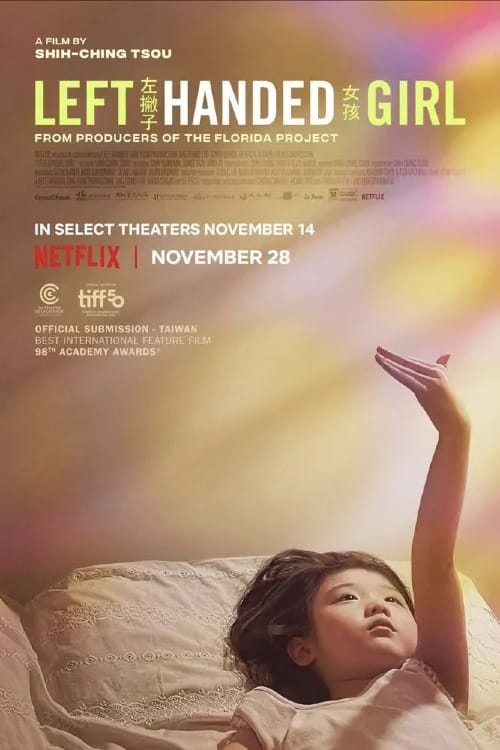
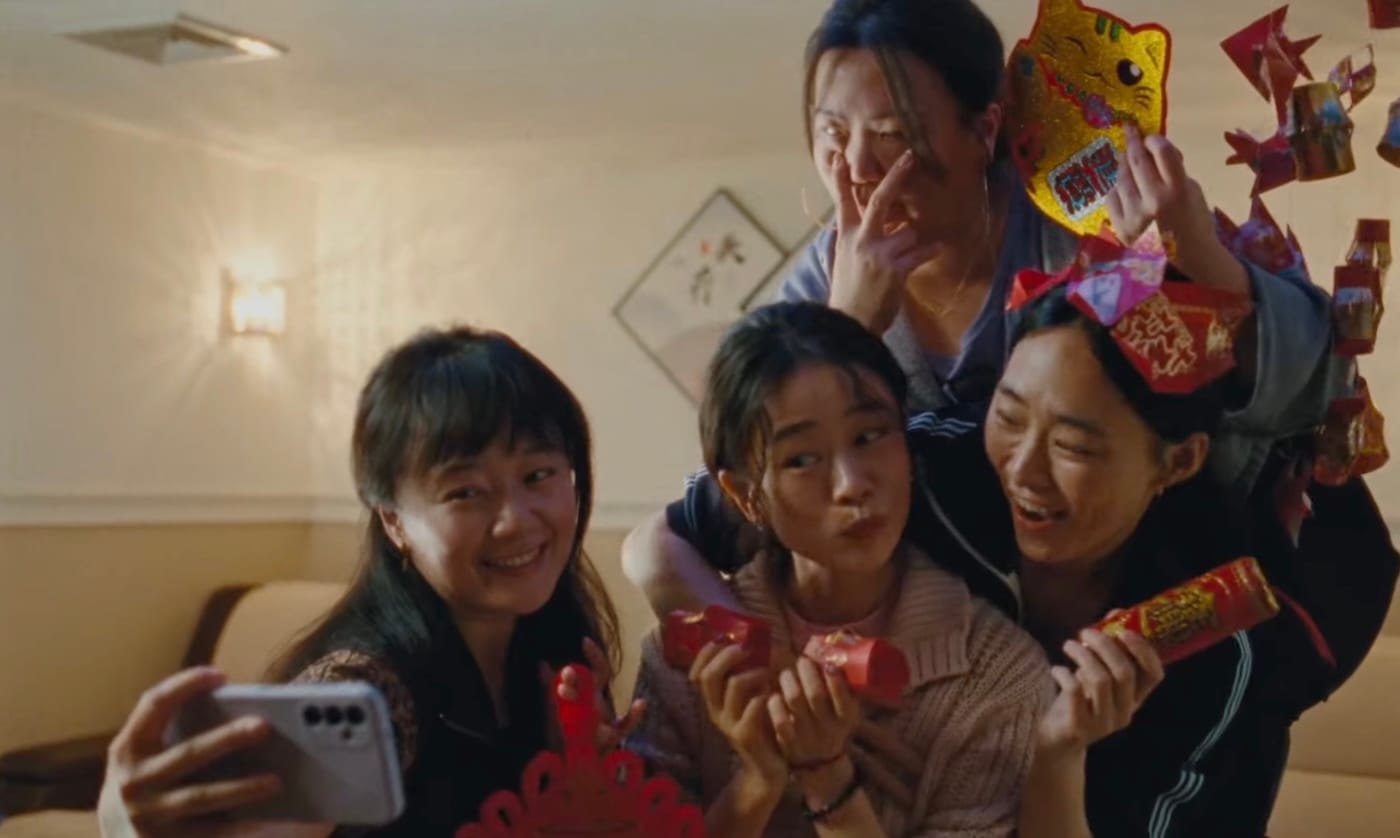
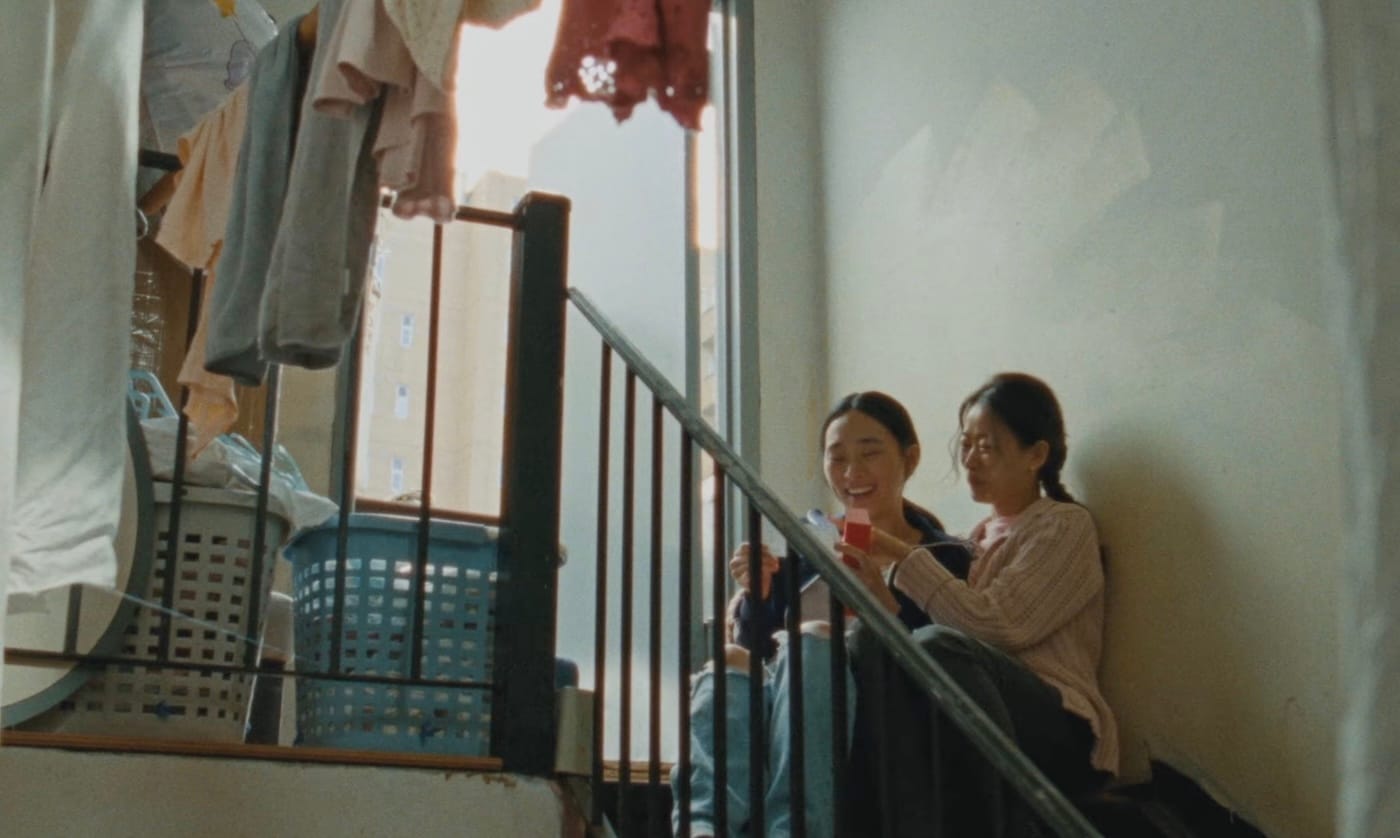
Left-Handed Girl
director: Shih-Ching Tsou | writers: Shih-Ching Tsou and Sean Baker
What I posted the first time I saw this film:
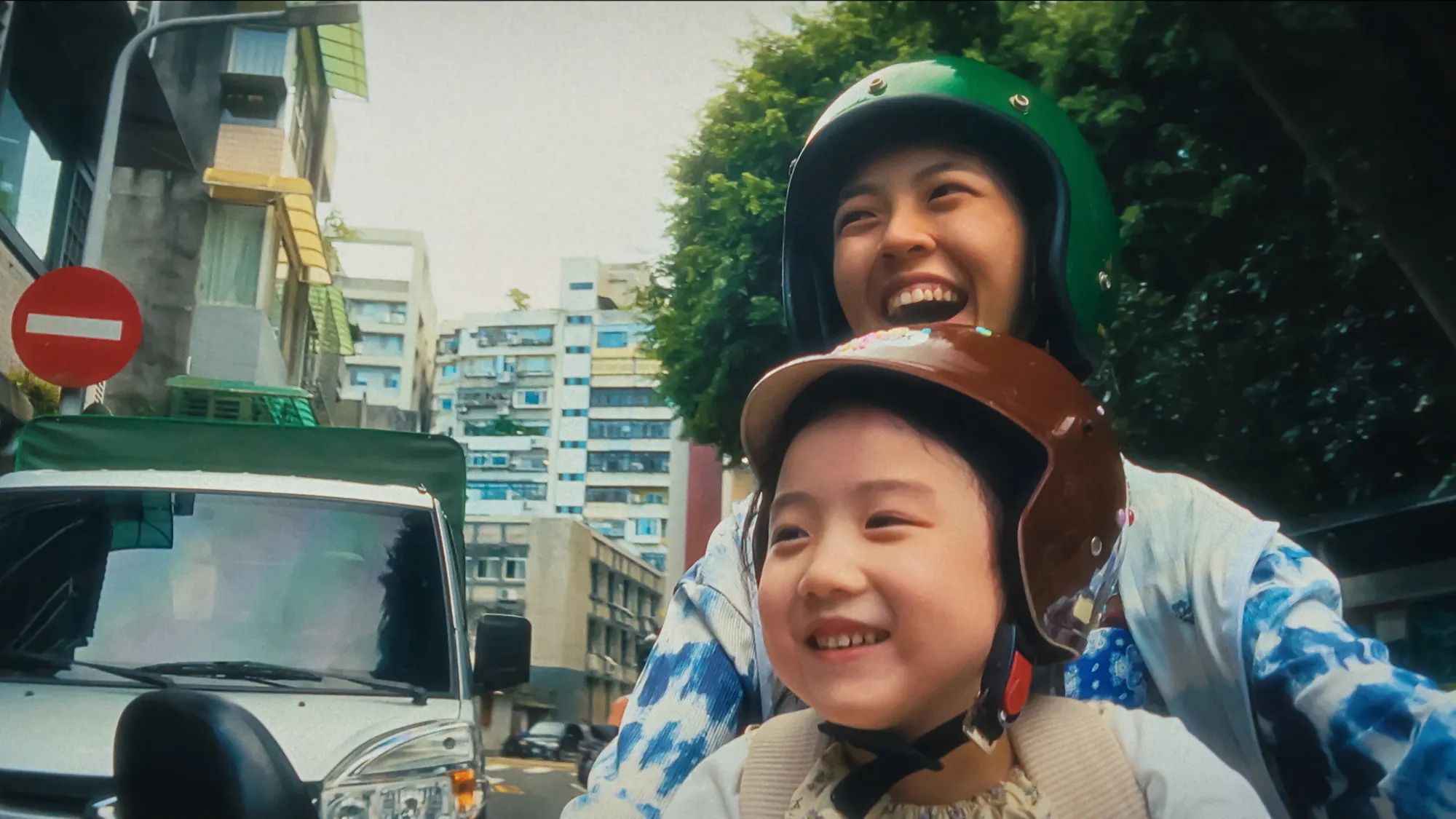
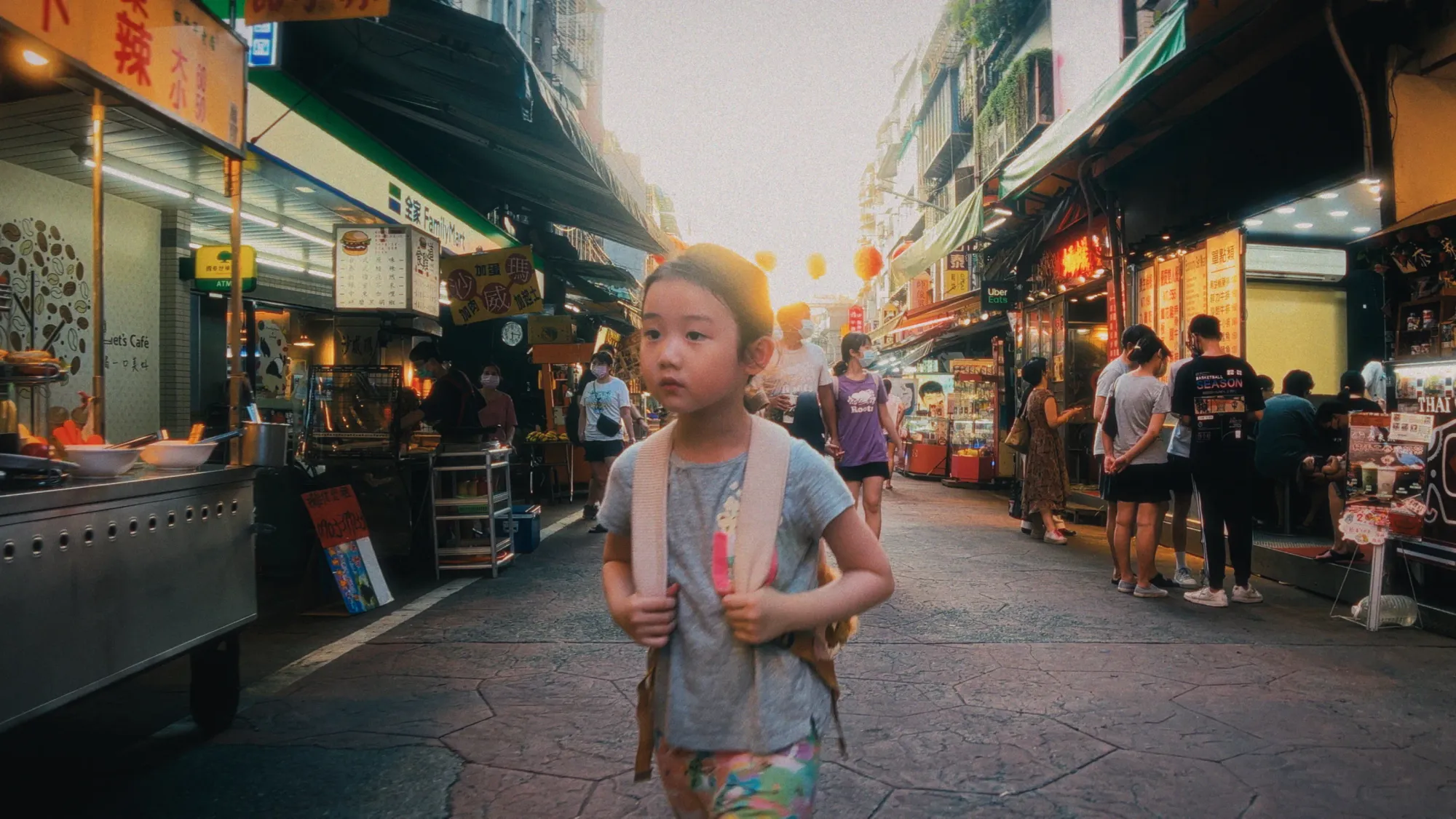
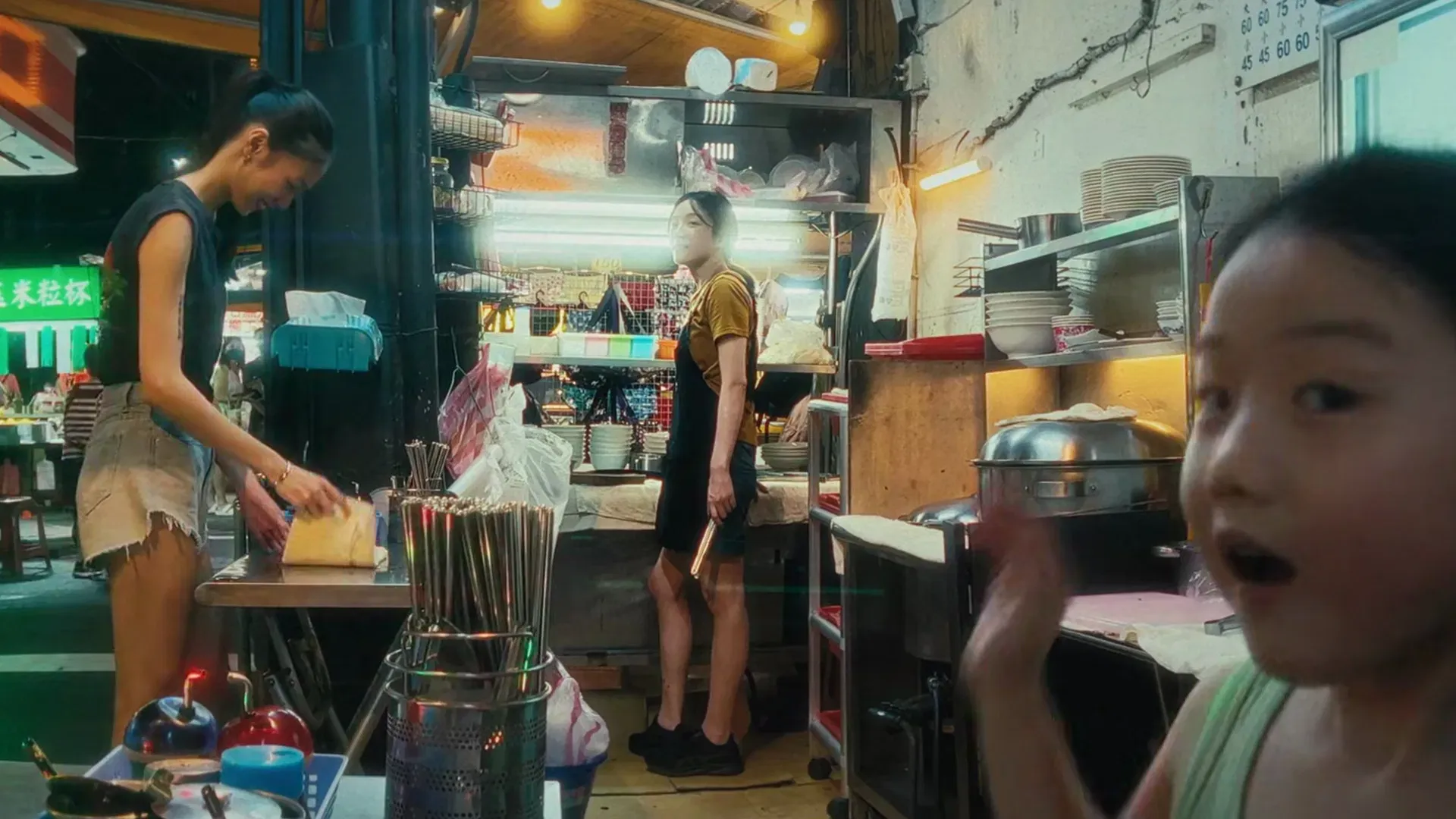
- This complicated family drama about four generations of women in one Taipei family does not feel like any other multi-generational drama I’ve seen due to its often-thrilling, high-speed tour of crowded urban marketplaces in vibrant daylight and wild neon-bright nights. Edited in ways that reminded me of Wong Kar-Wai’s Fallen Angels and Chungking Express and, at times, Malick’s Knight of Cups, this is always a joy to watch, which keeps the weave of poverty-crisis storylines from becoming overbearing until the volcanic eruptions of emotional meltdowns in its explosive climax.
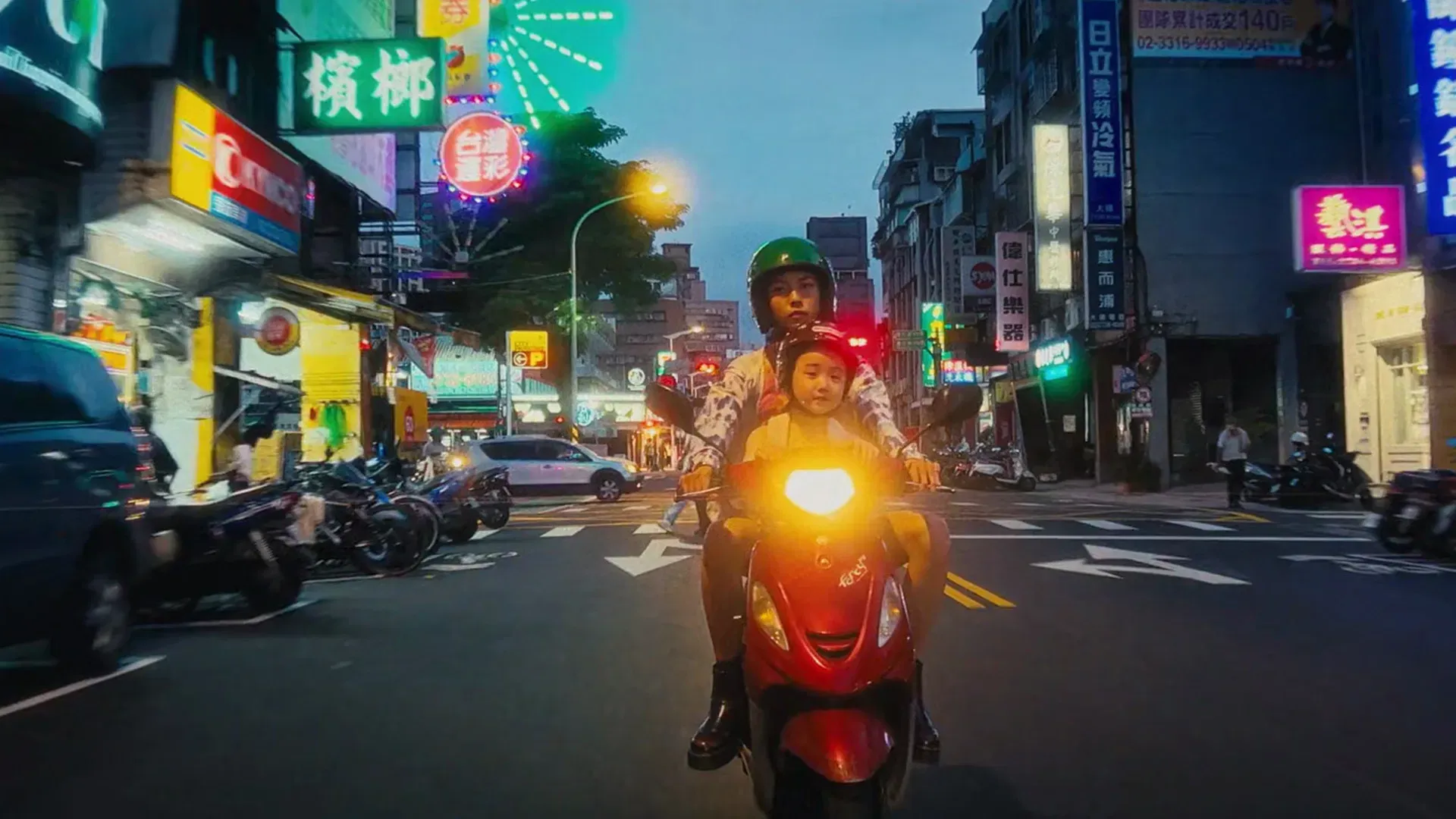
- It’s easy to recognize Sean Baker’s involvement here, as the film feels like a very expensive endeavor employed to capture desperation at the edge of poverty, tempting me to wonder about when this kind of storytelling becomes exploitative. (Wait: Are these Baker’s fingerprints on Shih-Ching Tsou’s film? Or has it been the other way around all along?)
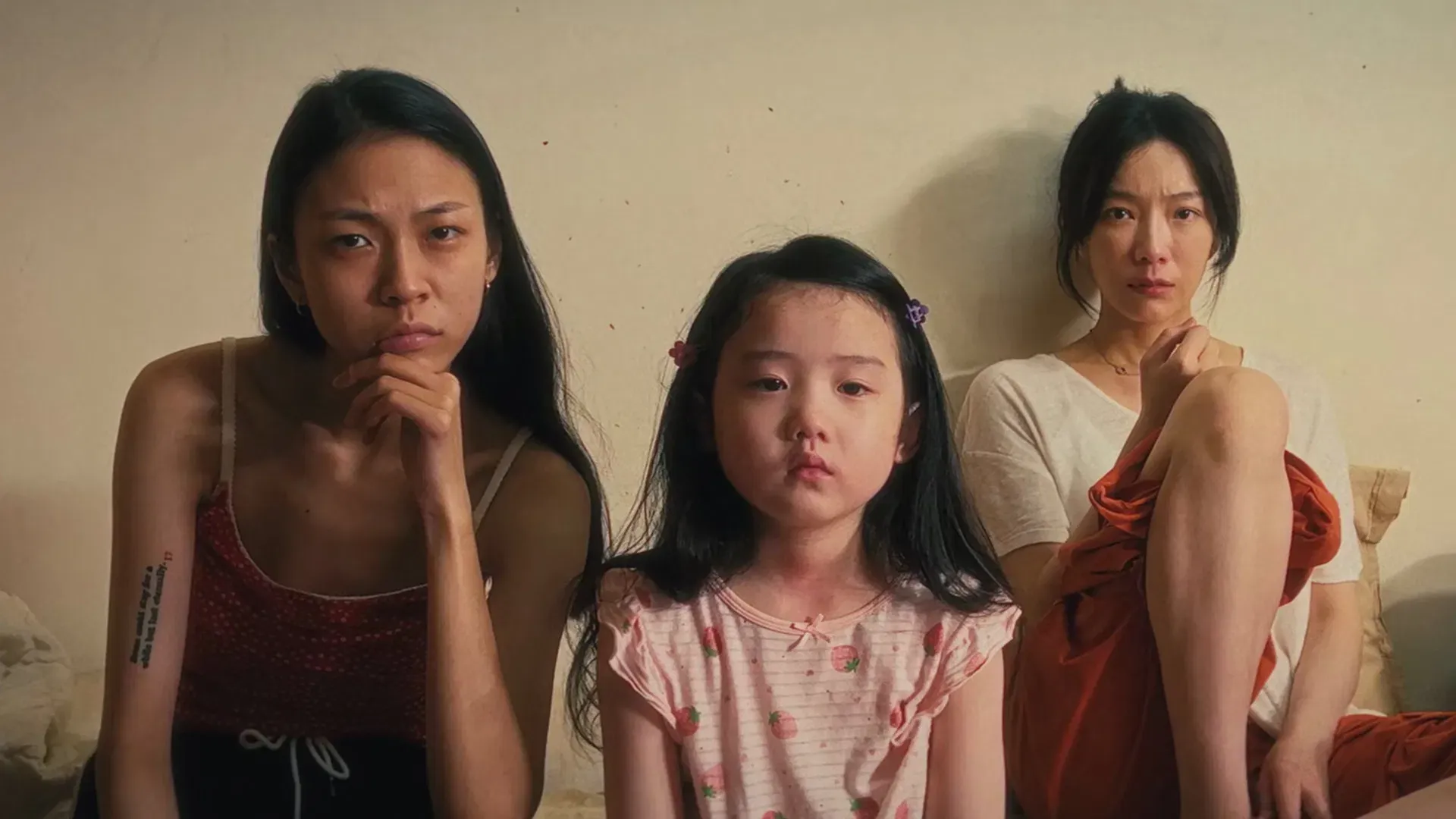
But, as there is in Baker’s best work — and by that I mean The Florida Project — there is so much vibrant light, color, and energy throughout, and so much loving attention devoted to the mother Shu-Fen (Janel Tsai), the daughter I-Ann (Ma Shih-yuan), and the inexcusably adorable toddler I-Jing (Nina Ye), that I found it compelling from beginning to end. This might be the most TikTok-ish film I’ve ever seen — it seems stitched together from footage that’s been run through a food processor, following several storylines simultaneously and cutting back and forth between them so frantically, in such fragmented shots, that we rarely get anything that I would call a scene. That makes the movie exhausting, but also constantly surprising. And it suits the material, as it emphasizes just how much multi-tasking is required to survive in an environment as demanding and crowded as this. - Yes, you want to see this on a big screen before Netflix locks it into streaming. Shot on iPhones, it’s dazzling when projected the way it was meant to be.
- Okay, too many movies this year are conditioning me to dread what’s coming when a pet becomes part of a family that’s stressed to its limits. I’m still recovering from that horror-movie hamster in the Mary Bronstein film. No more!
- The inevitable family-gathering explosion that we have felt the whole movie building towards is a humdinger when it happens, and I appreciate the fact that there is no attempt to clean up the mess or tie up loose ends with crowd-pleasing sentimentality. Still, it doesn’t quite work for me. I’m not quite sure why yet — maybe because the calamity unfolds like a multi-stage rocket, until the heightened emotions on the screen are overwhelming the serious implications of what is being revealed. I couldn’t think for all of the feeling.
But that’s okay — by that stage of the film, so much else is working wonderfully that I’m committed to seeing it all through. I love this for the three lead actors, who are equally compelling, and for Taipei, which comes alive here as one of the most dynamic big-screen environments I’ve seen in ages.
I’ll have to ponder this one for a while to see how (or if) it stays with me. Are its highs only aesthetic? Or am I actually moved and enlightened by the stories it tells? I’m not entirely sure. But coming out of the theater, I was thinking that this is one of the biggest surprises in recent months, and some of the most satisfying big-screen time I’ve enjoyed all year. I hope I’ll get to see many more movies from Shih-Ching Tsou.
15.
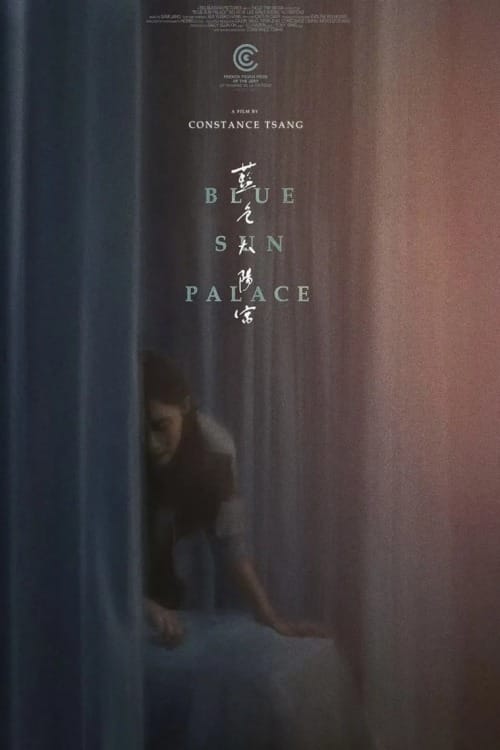
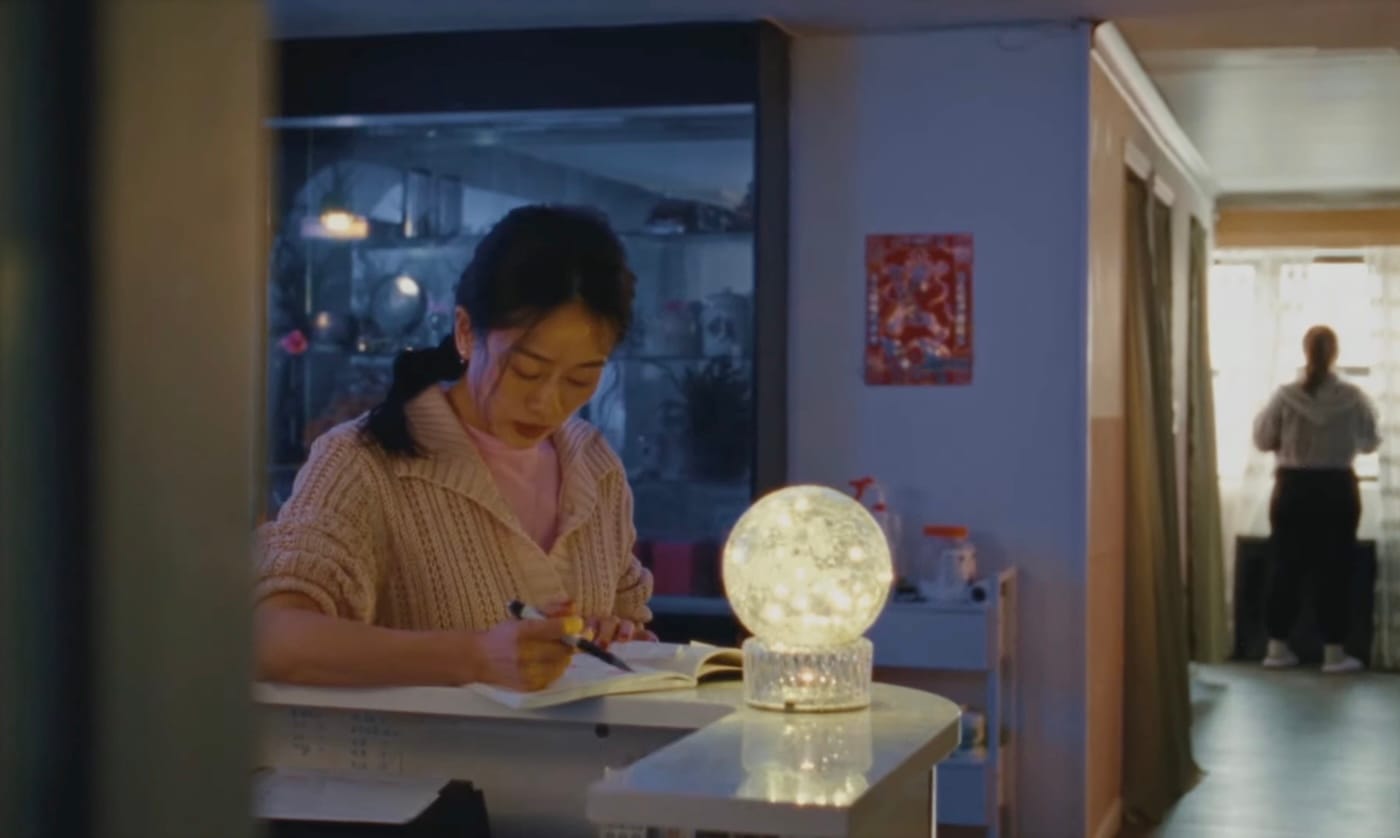
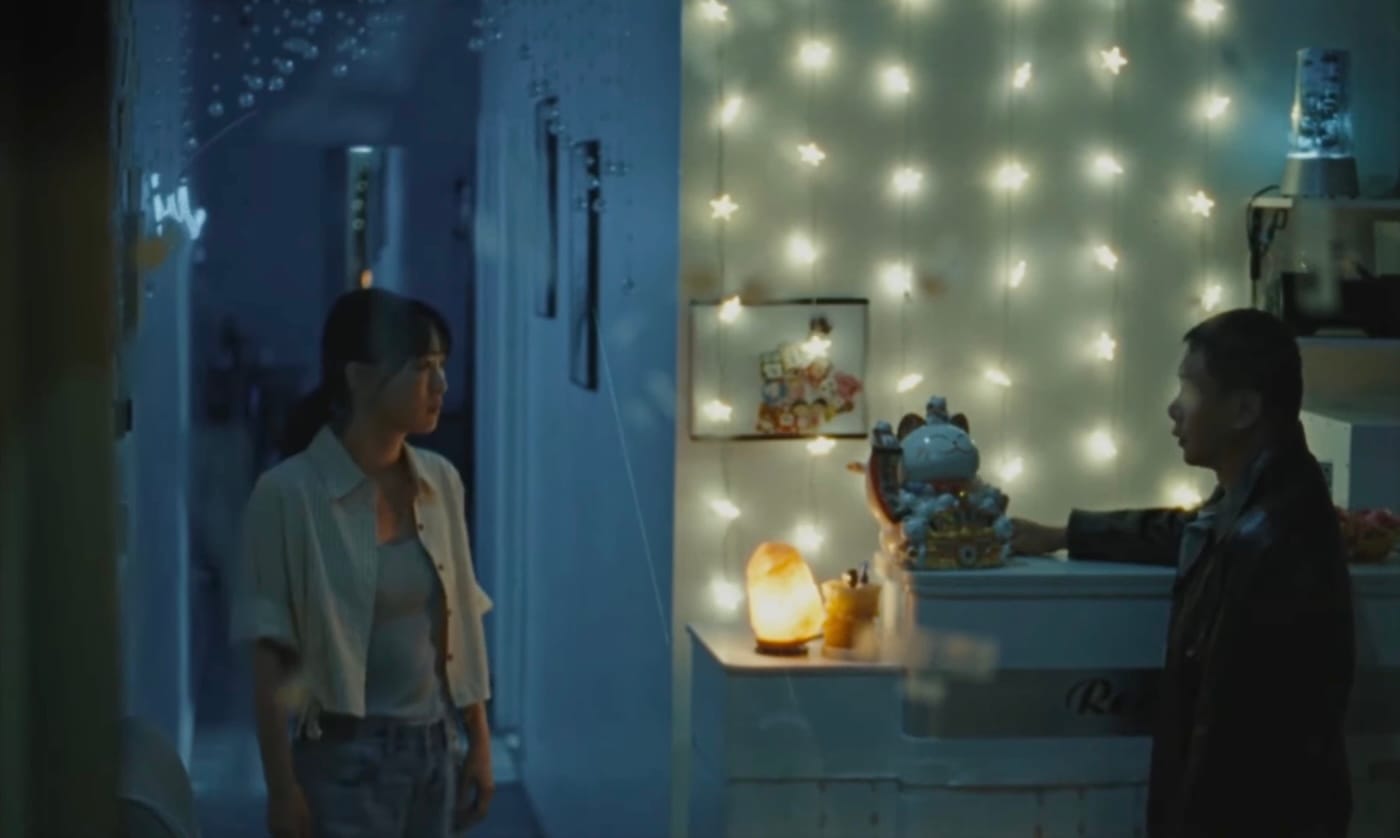
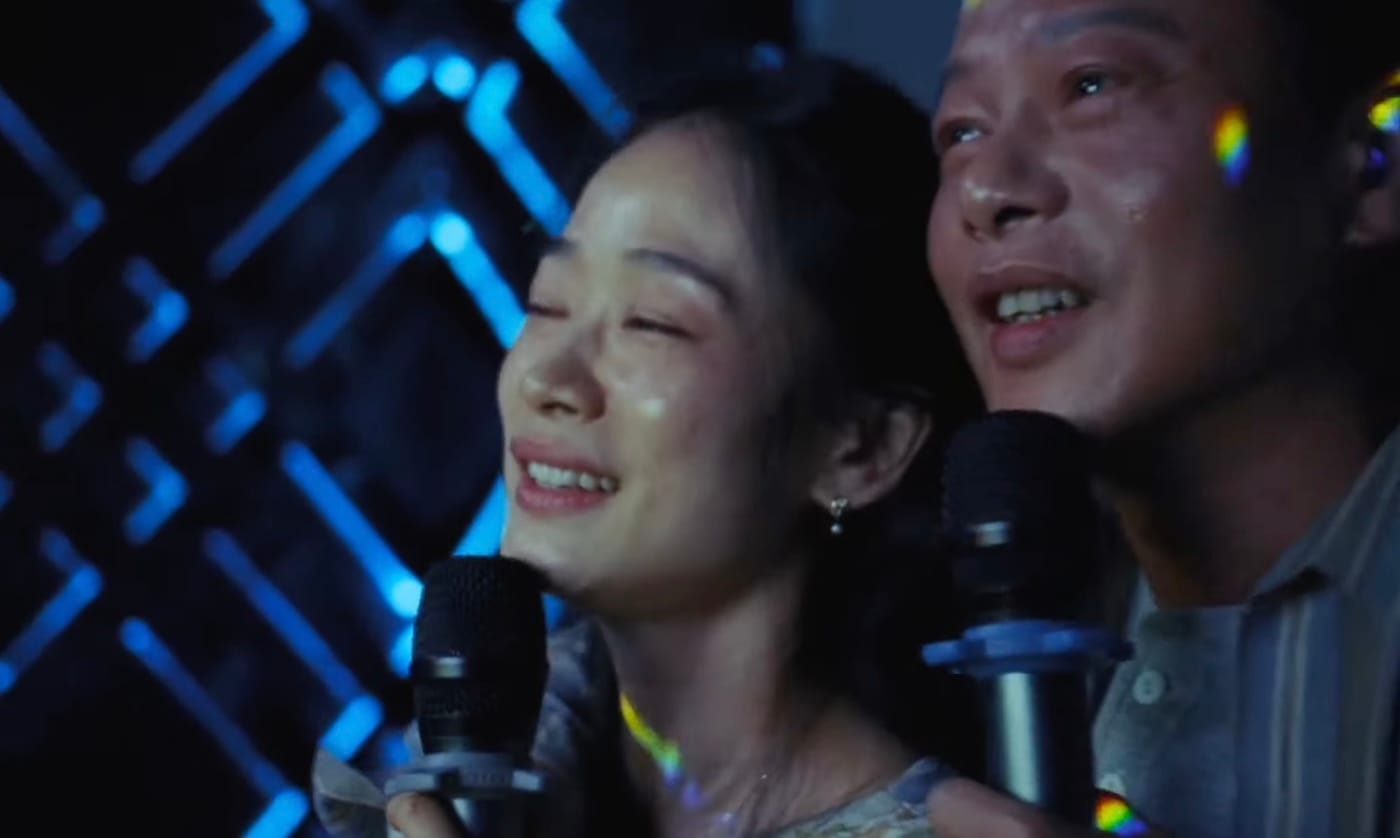
Blue Sun Palace
director and writer: Constance Tsang
Here’s my full review from last July.
14.
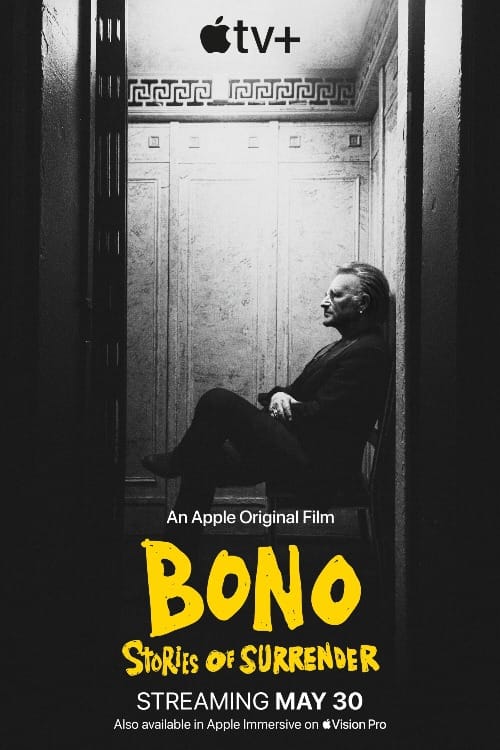
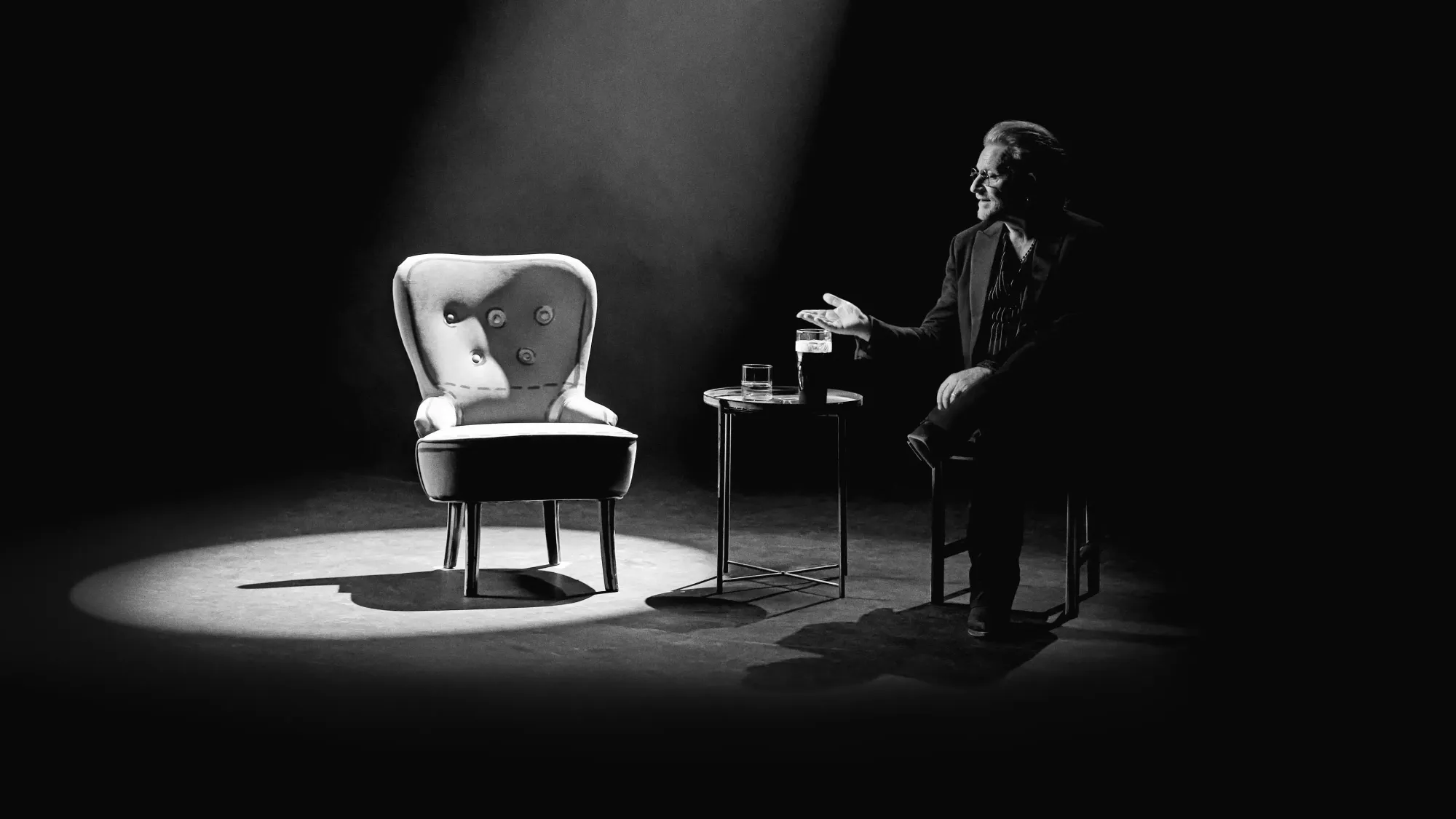
Bono: Stories of Surrender
director: Andrew Dominik | writer: Bono
What I posted after I saw this film for the first time:
“The right to be ridiculous / is something I hold dear...” - U2, “I’ll Go Crazy If I Don't Go Crazy Tonight”
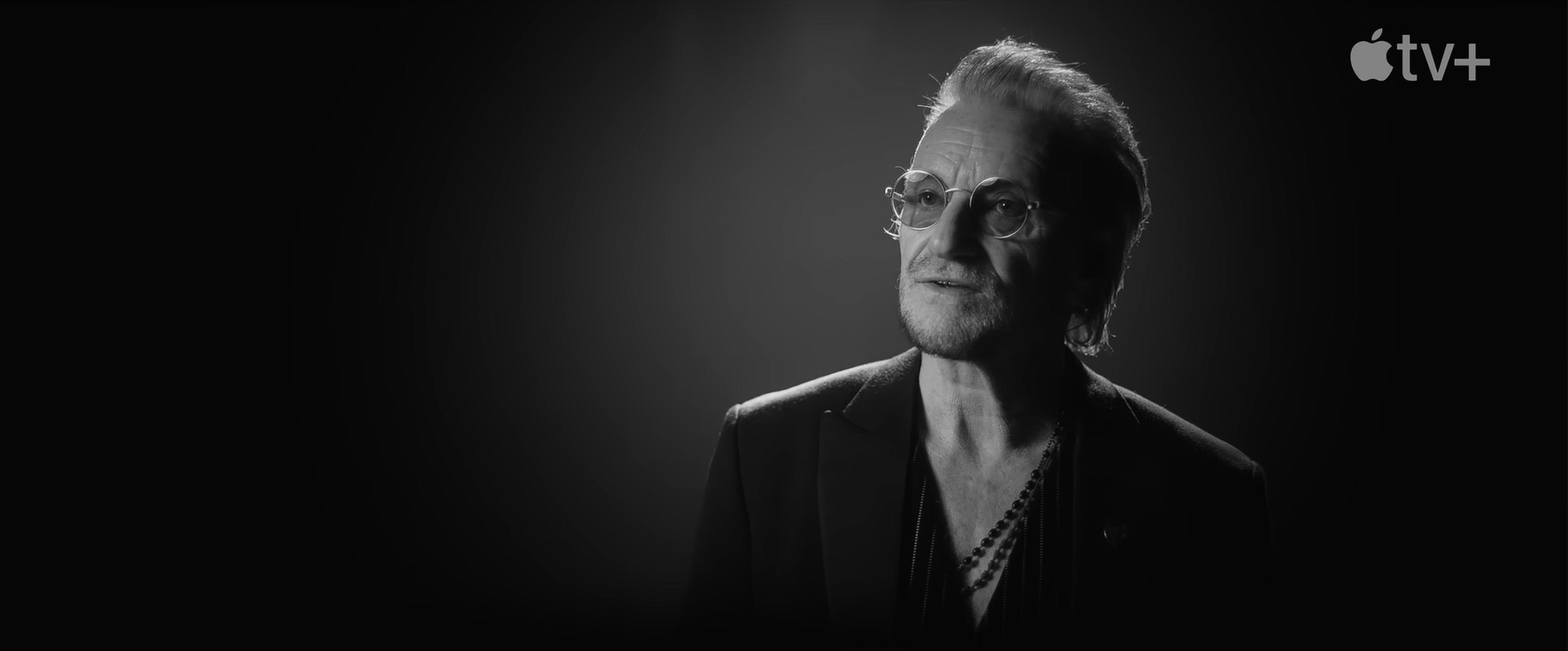
Don’t knock it until you’ve tried it. Bono: Stories of Surrender is one of the most moving things to listen to, and one of the most beautiful to look at, I’ve seen or heard all year.
And it’s a great intro to Bono’s memoir, Surrender, which tells hundreds of stories more. The audiobook has been, for many hours the last couple of years, a meaningful part of my commute to and from work.
I’d rather we surrender the rock biopic as a format and go this route instead from now on. What other musician has the guts? Probably quite a few, actually. But the wisdom to make it worth our while? I'll bet we start seeing imitators soon that are cringe-worthy.
Nice work, Andrew Dominik. You earned my faithful attention with The Assassination of Jesse James by the Coward Robert Ford. I’m not sure I'm ready to forgive you for the ordeal called Blonde yet. But please — keep working with Nick Cave and Bono. This is rewarding stuff that I will revisit frequently.
And thank you for not giving us a Bono movie in which he decides to appear as a CGI chimp. (He's already played a lion in Sing 2 — that was embarrassing enough.)
13.
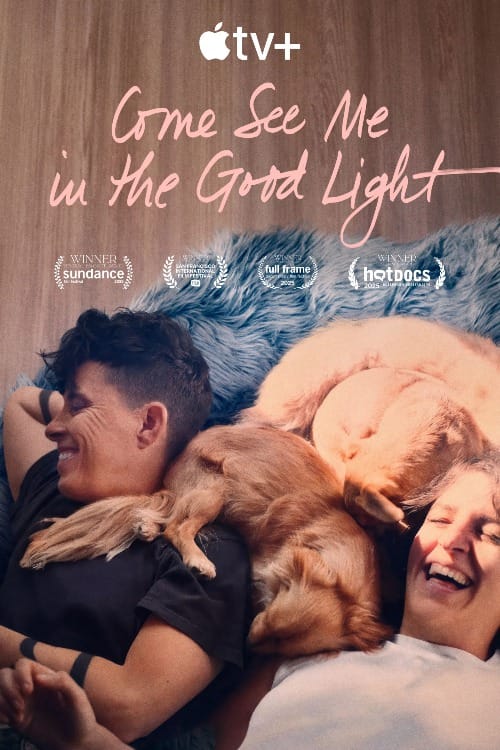
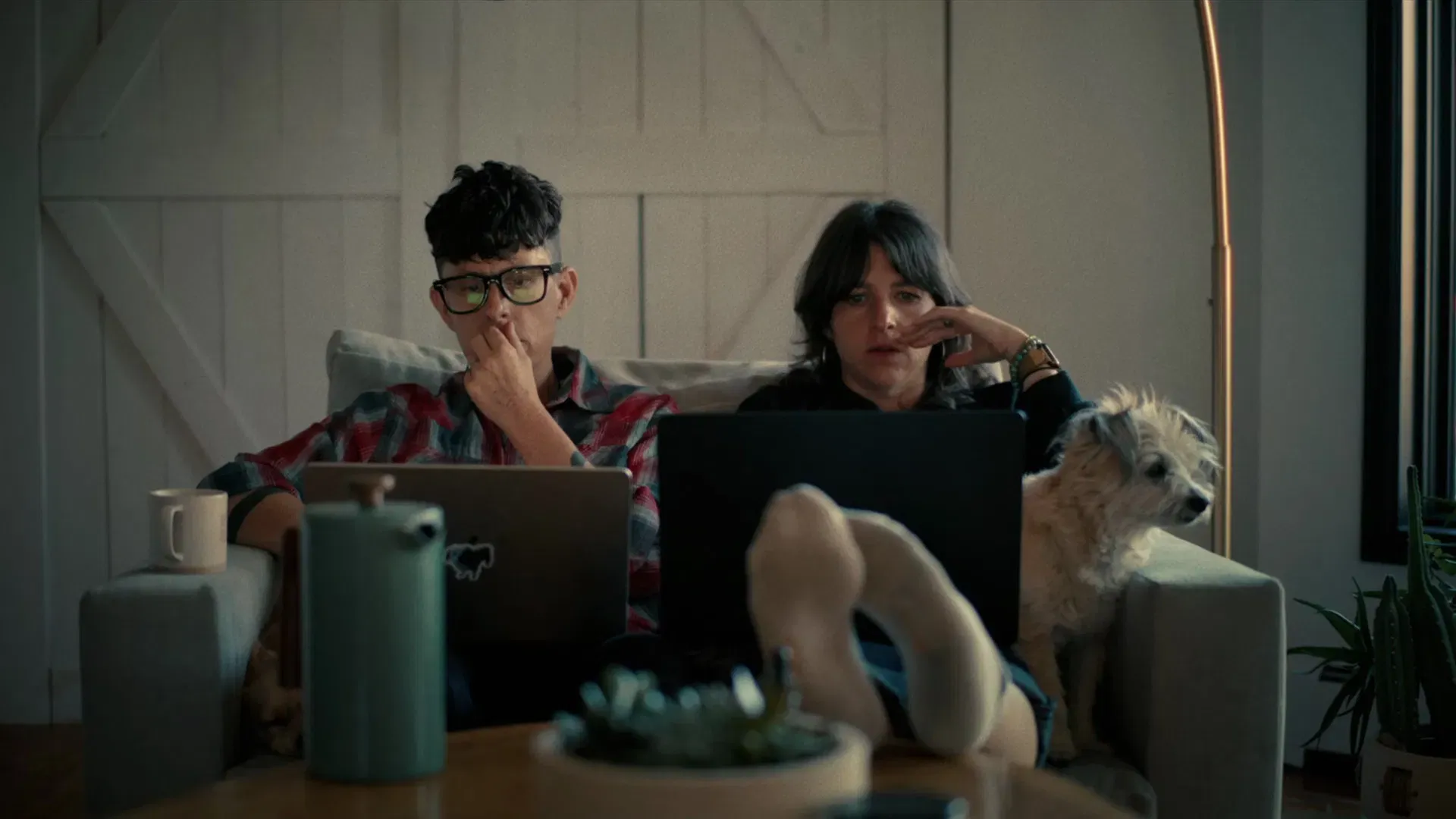
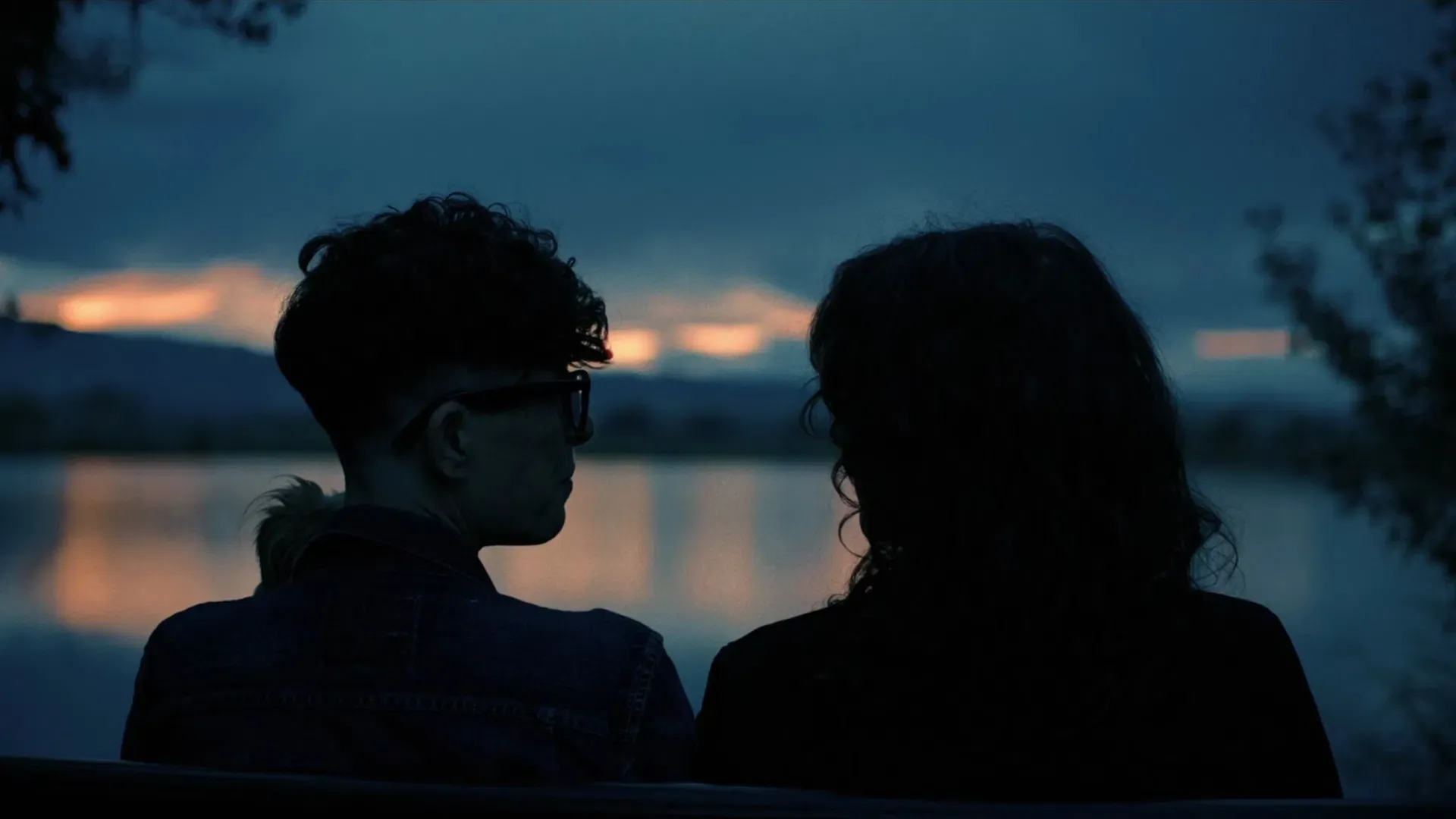
Come See Me in the Good Light
directors and writers: Pierre Creton and Vincent Barré
What I posted after I first saw this film:
Anyone who thinks poetry is frivolous has never needed someone to tell them something unspeakably hard beautifully.
- Andrea Gibson
You can live in such hatred, you can live in such terror of the consequences of your depravity, that you will break the laws of the nation you rule with cruelty and lies and send those who serve you to bomb a girls’ school and murder 150 young children of God. You can do that. An American president did so just this weekend.
Or you can choose love, know joy, experience true freedom, become a blessing to your neighbors, and savor more goodness and beauty than all of the money and weapons in the world could ever gain you.
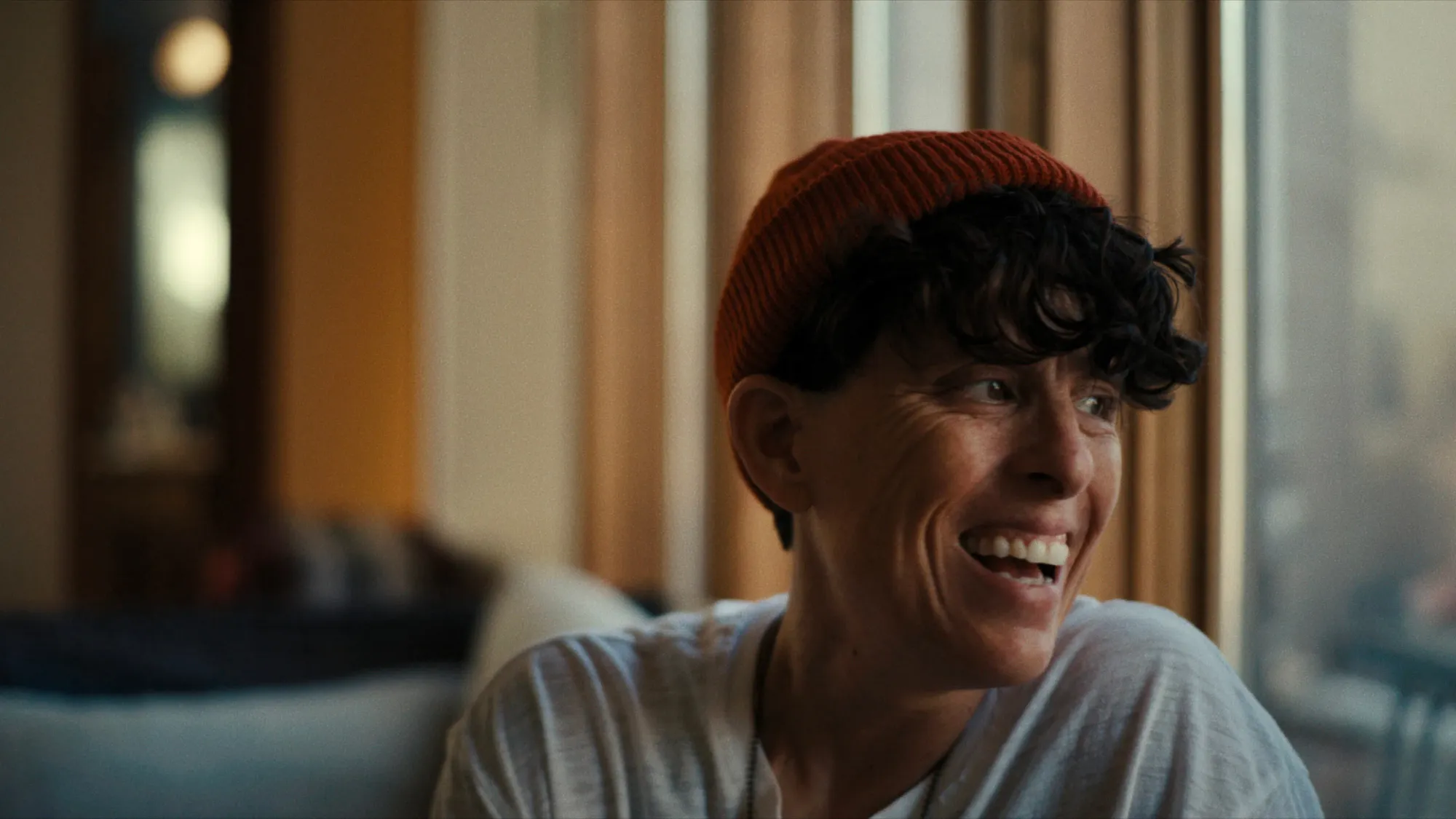
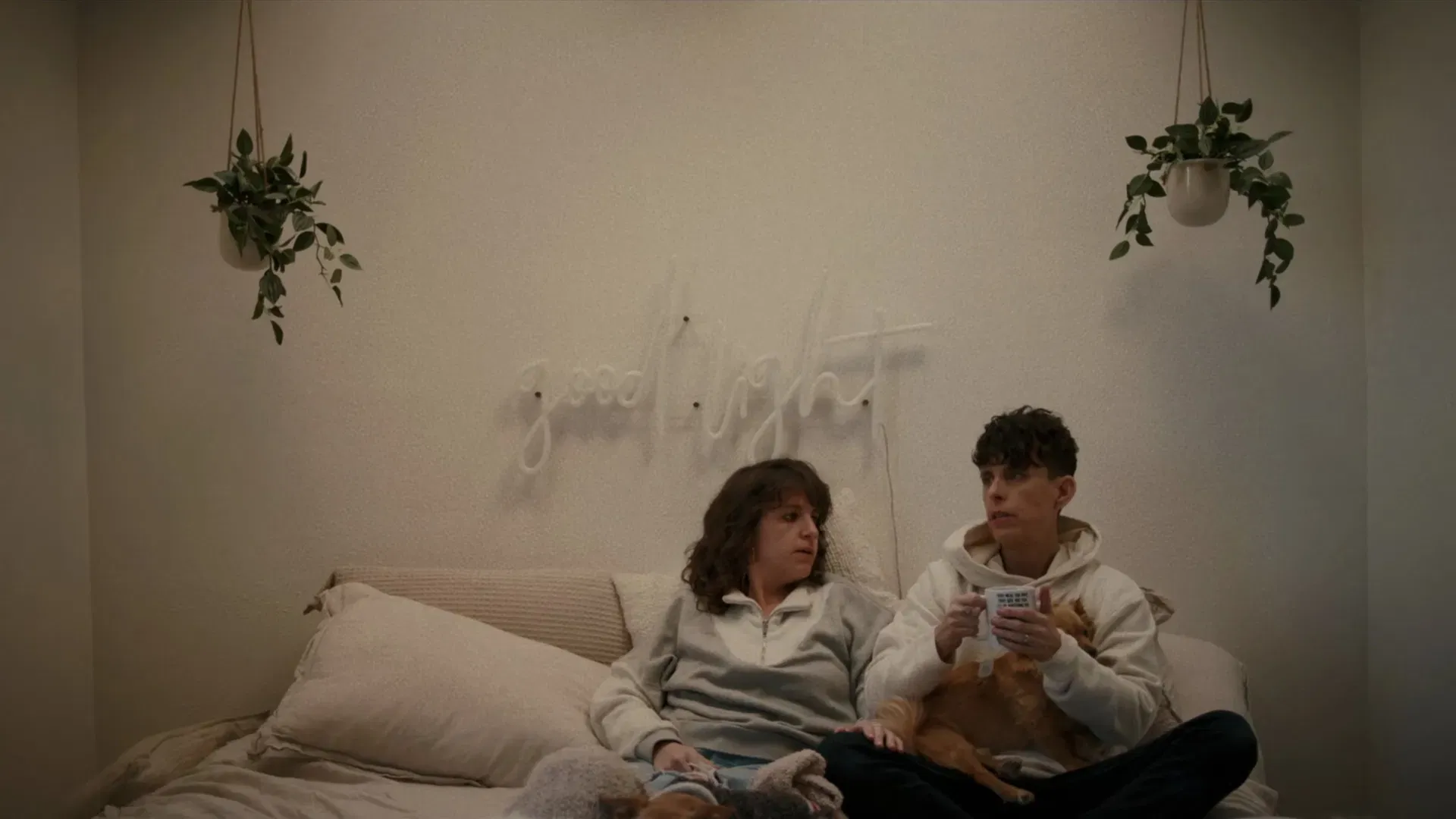
I see and hear more Jesus in Andrea Gibson and their partner Megan Falley than in all of those who would profane Jesus’s name by condemning them for being queer.
I can only pray and hope that I will face death with such courage; that I will commit myself to use the talents I’ve been given with such generosity and love; that I will have a poet by my side through the hardest hours. (I’m halfway there — I’ve been married to a great one for 30 years.)
it is difficult
to get the news from poems
yet men die miserably every day
for lack of what is found there.
– William Carlos Williams
P.S. When you’re done laughing and weeping over this beautiful document, listen to Tig N0taro’s appearance on NPR’s Wild Card. She shares some memorable anecdotes about this project and about things that have happened since Gibson’s passing.
Coming up in my next post ... my top 12 favorite films of 2025!
If you’re impatient and you want me to reveal the Top Ten right now, without any more suspense, listen to my sixth guest appearance on the podcast Veterans of Culture Wars with co-hosts Dave Lester and Zach Malm! It’s on Apple Podcasts and Spotify now.