Obsession (2026)
In which I express some reservations about the blockbuster horror movie of 2026.

It’s easy to empathize with Bear — at first, anyway.
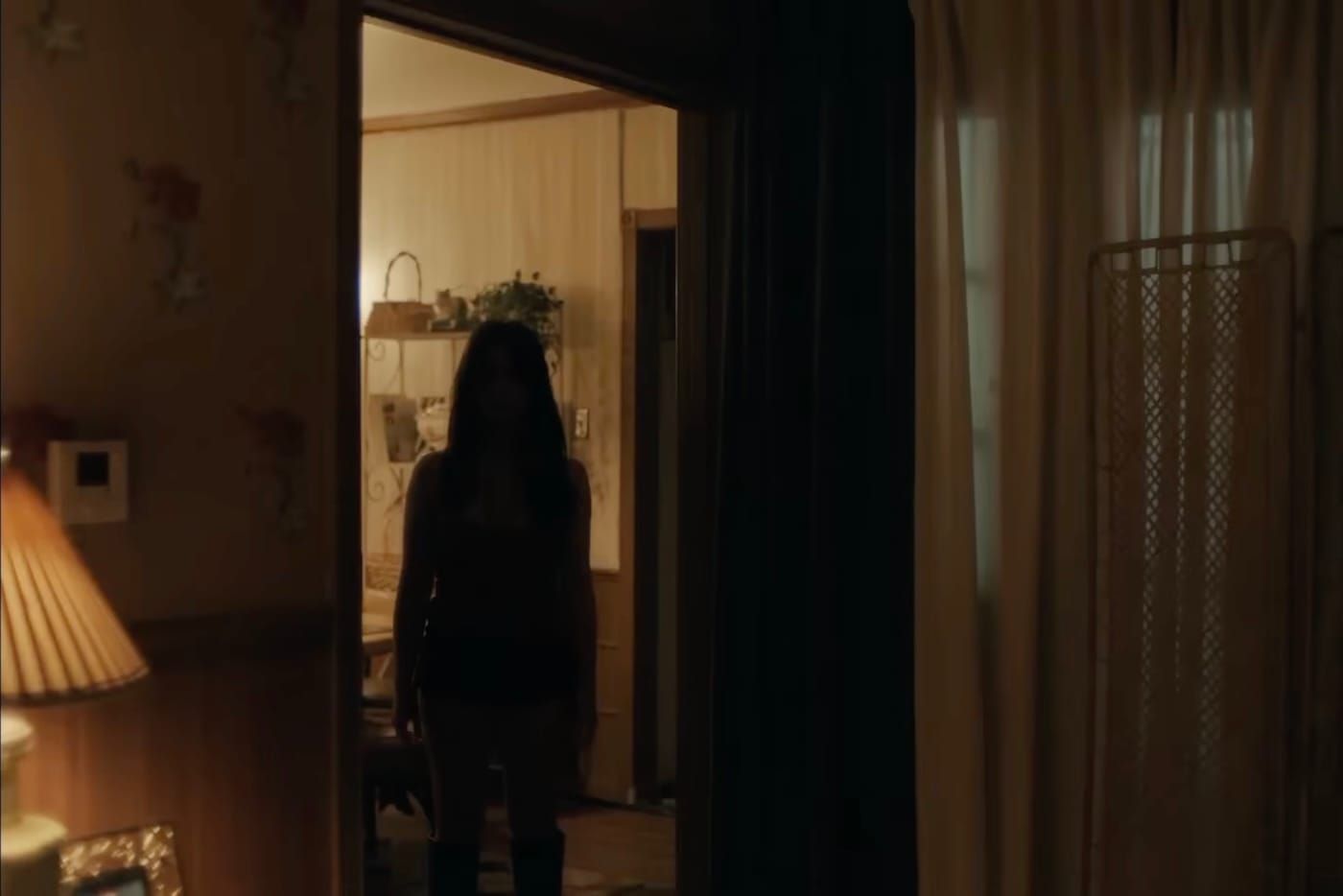
Played by Michael Johnston as if he’s the avatar for the word timorous, Bear is clearly offered up in first-time filmmaker Curry Barker’s Obsession as a critical commentary on contemporary masculinity. He’s a familiar variety of twenty-something who seems to have missed vital software downloads that would equip him to believe in himself, dream big, speak his mind, and expand his horizons. His world seems devoid of anyone who might serve as an elder or a mentor. His only emotional confidant is, no, not a therapist, but a cat. He lives alone in what was his grandmother’s house, with all of the depressing furnishings and the even more depressing array of pharmaceuticals she left behind. This suggests that the film is thinking about the things we reach for, the options we spend money on, to help us cope rather than to improve ourselves. And, sure enough, those pill bottles are like little curses waiting to make things even worse for Bear.
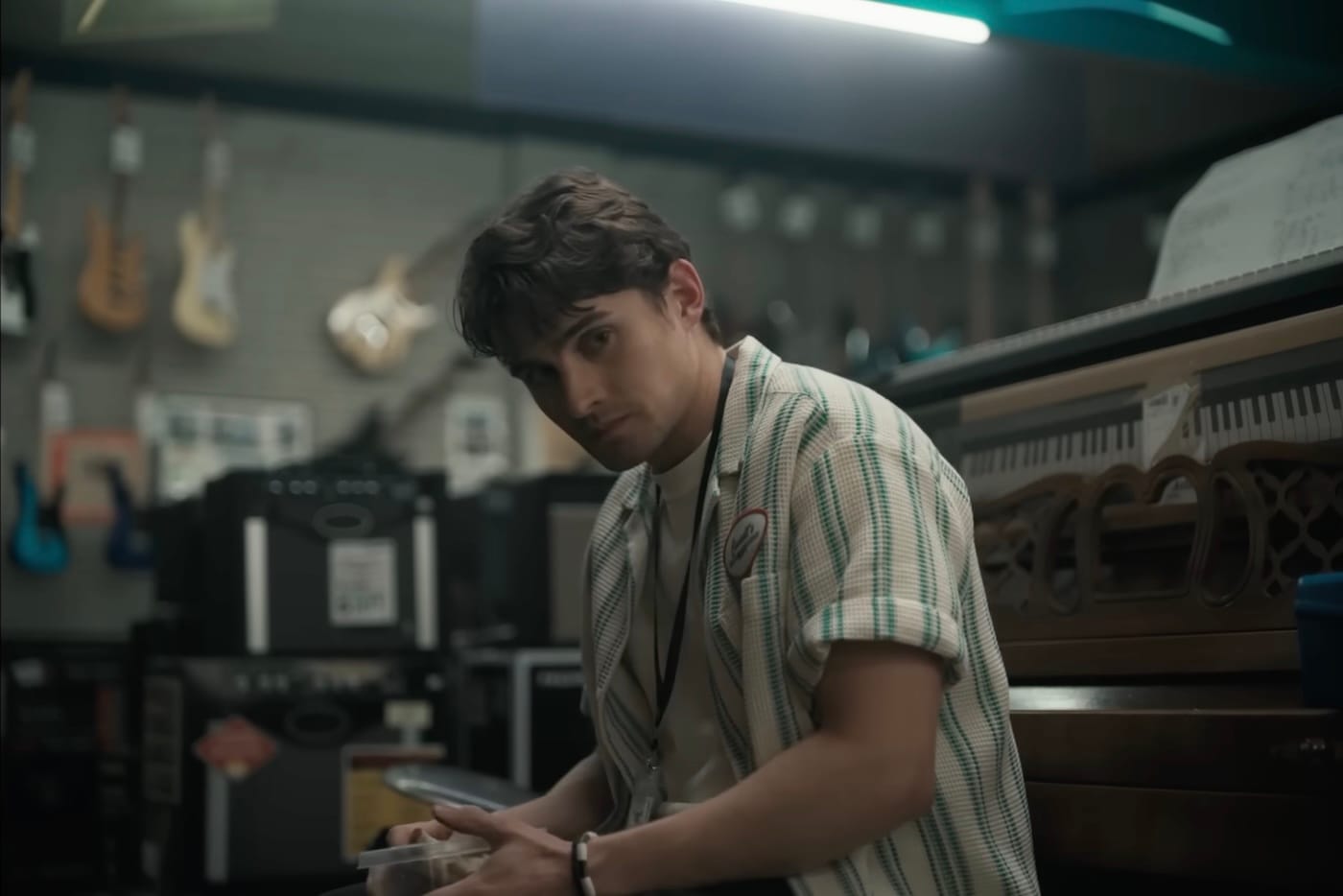
Does Bear have any friends at all? Sure: His coworkers Nikki (Inde Navarrette), Ian (Cooper Tomlinson), and Sarah (Megan Lawless) at Cassell’s Music Store provide him with a convenient circle, and their routine of playing pub trivia gives his life a feeble structure. They all seem to be settling for a severely limited menu of options for their futures, but hey — at least they seem to like each other.
Here’s the rub: Bear has been suppressing his feelings for Nikki. So, when she lives up to her last name — Freeman — and announces that she’s leaving their small world to pursue her ambitions of becoming a novelist, Bear feels as if his only hope for happiness is failing. Unable to express himself with confidence in almost any situation, he’s constitutionally incapable of confessing his love. And his initial impulse to approach Nikki with a gift that represents his love fizzles at the first glimpse of what seems like an easier option. That is to say, he falls for the oldest cautionary-tale trick in the book. He reaches for powers beyond his own — One Wish Willow, a magic store’s gimmick for suckers — and activates a curse in order to remake reality to his liking.
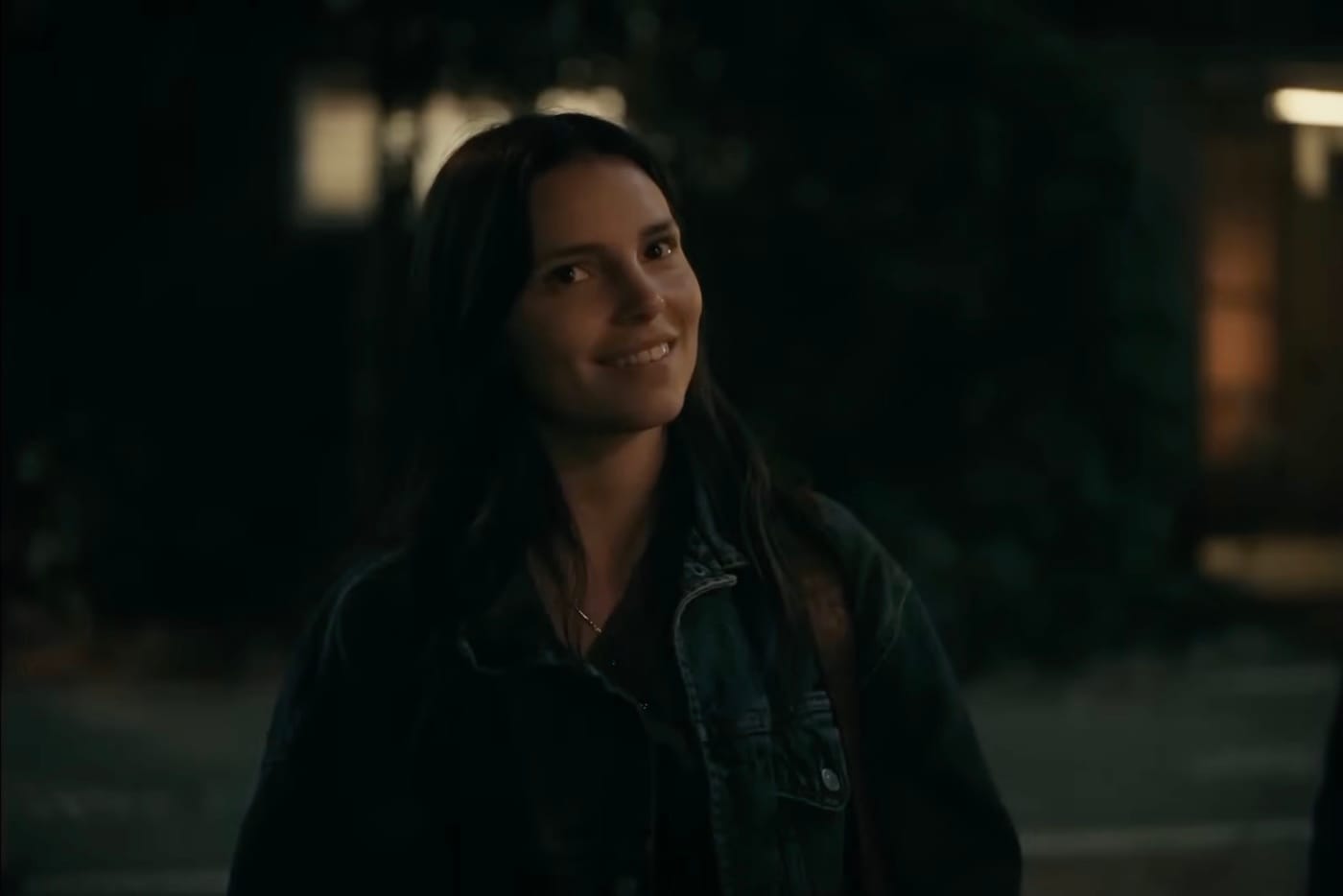
It’s obvious right away to any attentive moviegoer that our insecure protagonist has made a terrible mistake. If we grew up on fantasy and horror — I recall ’80s examples like the whimsical Big, with its freaky coin-operated dream fulfillment, or the hilariously violent Gremlins, in which the main character somewhat resembles Bear — we know that once the naive protagonist has made his fateful choice ... anything that can go wrong will now go wrong. And, accustomed as we have become in recent years to a non-stop supply of lurid and sensational R-rated horror, we might anticipate that things here are going to go wrong in ways that are very hard to watch. Even so, we may not be prepared for what follows. Obsession tracks a curse that leads to extremely R-rated violence, including one of the most graphically bloody killings you’re ever likely to see at the movies.
Up to the point of Bear’s mistake, every choice Barker makes in this movie is working for me with admirable artistry and efficiency. He guides us through the world as Bear feels it — a place in which shadows saturate every space, and disappointment and loss haunt every room. We understand Bear’s simple routines and relationships, and we can sense that it won’t take much to push him over the edge: He’ll either implode, swallowed up by the void inside, or he’ll lash out. And somehow, Bear finds a way to do both.
Here’s my problem, though, with all that unfolds after what creative writing teachers call “the Inciting Incident.” While Barker is already working like a pro when it comes to crafting spooky spaces and palpable suspense, his narrative is chock full of distracting problems. As Bear grips the One Wish Willow, he wishes aloud that Nikki will “love him more than anything in the world.” And the film is all but shouting Be careful what you wish for!
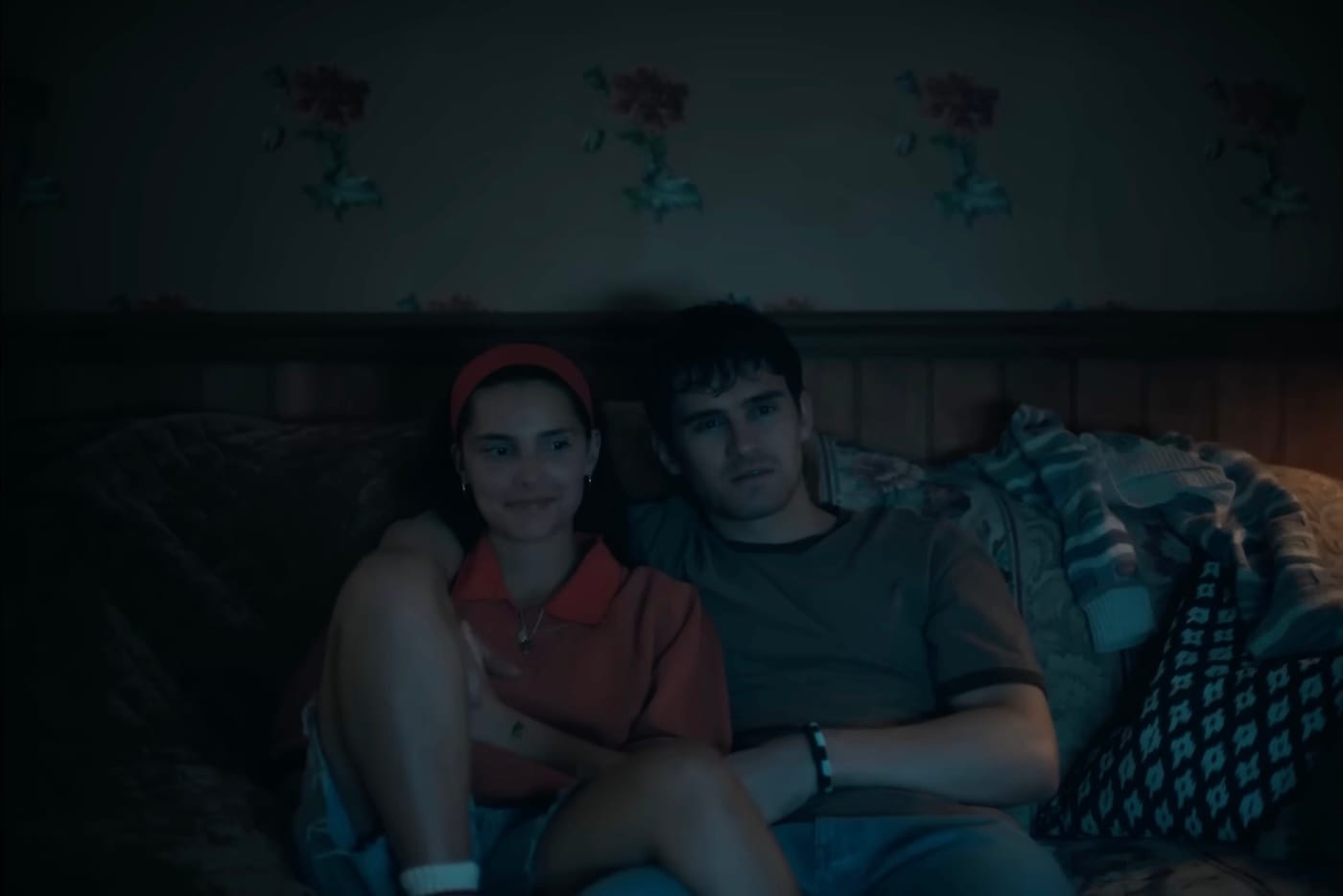
But Bear is wishing for love, yes? He’s not asking for slavish and maniacal attention and service. Once the enchantment kicks in, nothing Nikki does looks like love. It looks like, well, obsession and ownership. Are we to understand that the Willow’s curse is “smart” enough to know that Bear doesn’t know what love is? Is the curse deciding that what he really wants is a worshipper?
Even if we perform the mental gymnastics necessary to argue that what Nikki’s doing fulfills some definition of “love,” there’s another problem. Bear’s wish is for Nikki’s love. And what he gets is something more along the lines of a demon’s attention. Nikki isn’t the one loving him at all. In what may be the film’s most horrifying revelation, we catch glimpses of the real Nikki being held prisoner inside her own body while Something Else takes over her agency. Occasionally, the Willow’s magic glitches like the Matrix, and — this is where Navarrette’s performance levels up to something extraordinary — we see Nikki herself, suddenly awake and aware of the fact that her body has been taken hostage. She panics and tries to fight back. Maybe the movie should have been called Possession instead. (Okay, that title’s already taken. But still.)
So, by my lights, this One Wish Willow dingus doesn’t work. It doesn’t change Nikki’s actual mind or heart in any way. And what this demonic replacement for Nikki is doing, well ... it’s anything but love.
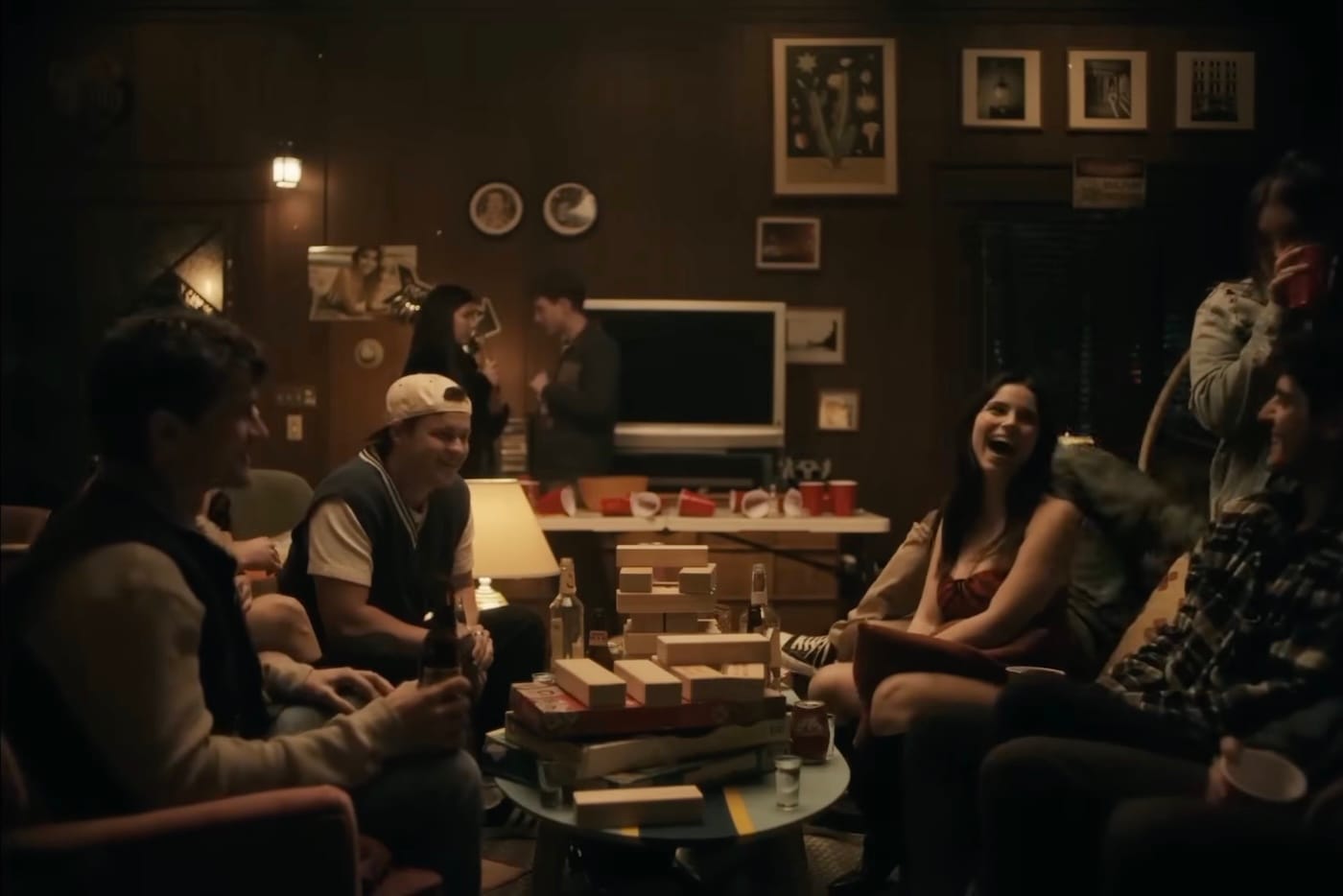
Now, I’ve had enough conversations about this film, in person and online, to know that these are not major problems for a lot of the film’s fans. They love the film’s strengths so much that they can overlook these weaknesses. That’s fine. Having put my cards on the table, I can respect the hands that others are playing in their enthusiastic defense of Obsession. The film’s strengths are considerable. And I think I can see why it resonates with so many young moviegoers.
First, consider the obvious AI analogy: It’s not news to anybody who pays attention to sci-fi, or who knows anything about real love, that AI companions will ruin people. What we want and what we need are too easily confused, and AI exploits that confusion. Friends and wish-fulfillment partners are two very, very different things. And in the case of Bear and Nikki, what resembles AI is actually an evil spirit, one quick to resort to violence in attempts to claim Bear as its own. But the principle is the same: When we accept a soulless entity as a substitute for a human partner, we enter into a dangerous contract. Love is a willful thing; it is not coerced. Love wants the health of its subject. Love is patient, love is kind, etc.
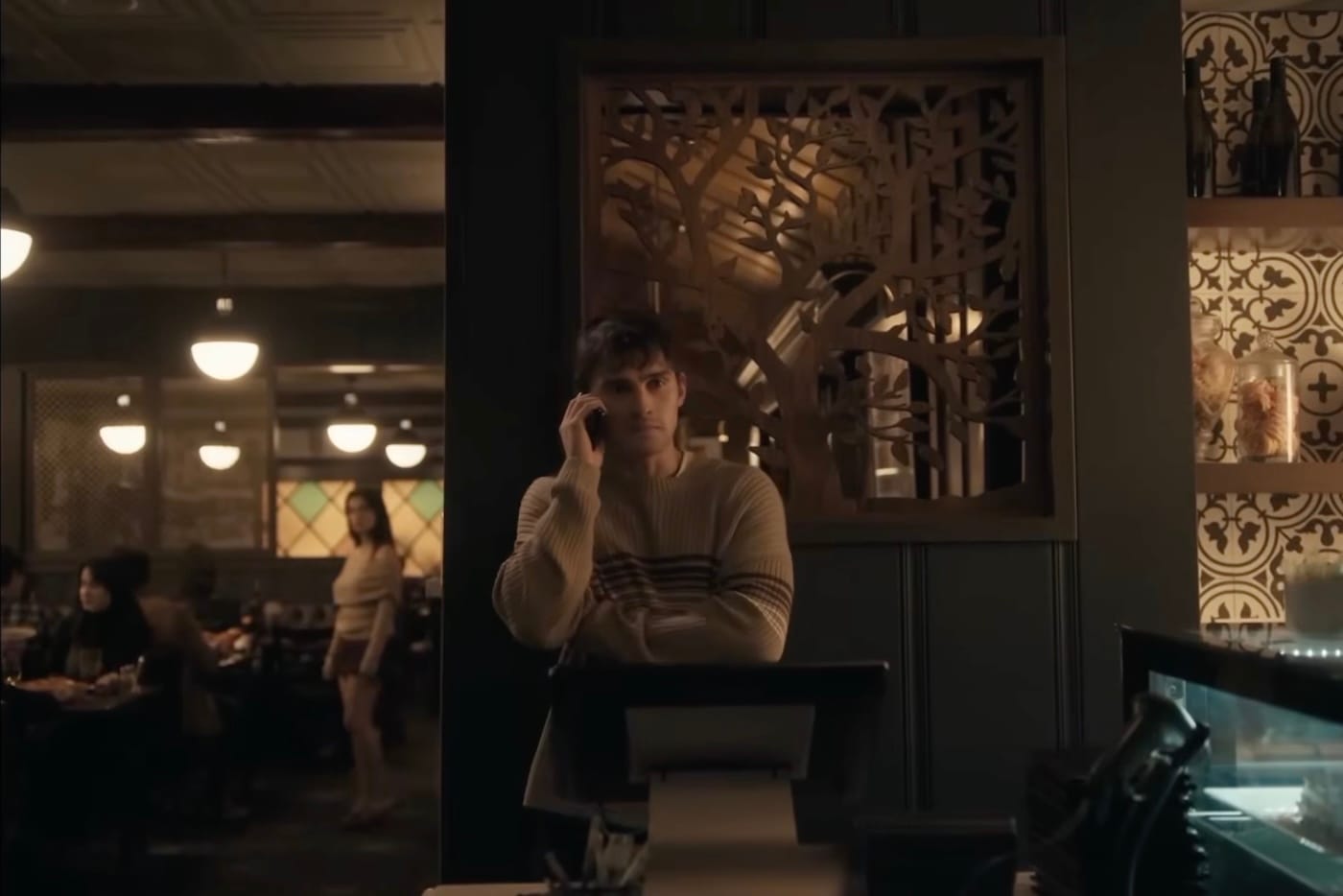
Secondly, young adults know that the disruptive forces of social media and the restrictions of COVID quarantine have so heavily influenced their social development that many of them struggle with severe social deficiencies. I would suspect this from observing the undergrads I teach, and how different the post-COVID cohorts are from those I taught before the pandemic. But I know this is true from their very own testimonies. As Bowie sings, these young people are “quite aware of what they’re going through.” Some of them feel they were robbed of essential learning experiences, and they understand the allure of quick fixes. They are quick to empathize with those who turn to unconventional advantages and sources of social currency because they’re familiar with the fears, sorrows, and uncertainties that can lead to such desperation.
Finally, I cannot deny the film’s technical strengths, which help Obsession shine as a genre stand-out. You’ve surely heard about Navarrette’s performance as Nikki, and she deserves all of that praise. She hits every cruel pitch the screenplay throws to her, and that makes the first hour interesting, as we meet the Real Nikki, watch that attractive young woman transform into something fearsome, and then watch her dawning realization of what is happening to her. If Navarrette’s Nikki teamed up with Sophie Thatcher’s freaky Iris from Companion, the fabric of space and time would catch fire.

But I believe that Obsession, somewhere around the halfway point, runs out of ideas. It starts thinning on substance and flailing for violent scares and intensity. And they’re disappointingly predictable scares and consequences. The more concerned Bear’s friends become, the more we can anticipate the upcoming beats of the song. As Ian tries to intervene, and as Sarah begins hinting that she might feel something for Bear herself, our anxieties intensify. As things become more predictable and familiar, the movie’s second hour tests my patience.
Don’t mistake my objections for prudishness or a lack of appreciation for horror. Many of my favorite films are horror movies — even violent and bloody horror movies. And I’ve done my best to keep up with the most important titles, as audiences have demonstrated a burgeoning appetite for work in this genre. As so many social and political norms have rapidly crumbled over the last decade, as young moviegoers struggle to accept the grim forecast for the planet they’re inheriting, horror is providing a vocabulary for all kinds of meaningful expression. Horror can confront us with the truth of the world’s troubles in ways that are otherwise hard to accept. Horror can also help us think creatively about solutions to those problems.
I’m not sure Obsession offers us any glimpse of a solution to the problems that are driving Bear to making terrible mistakes. But I’m hopeful that it can inspire meaningful conversations. Still, as Obsession’s hyper-violent finale becomes frenzied, my biggest problem with the film, which started bothering me early on, eventually really upsets me. I’m no longer just frustrated with Bear’s derangement; I’m upset with the storyteller.
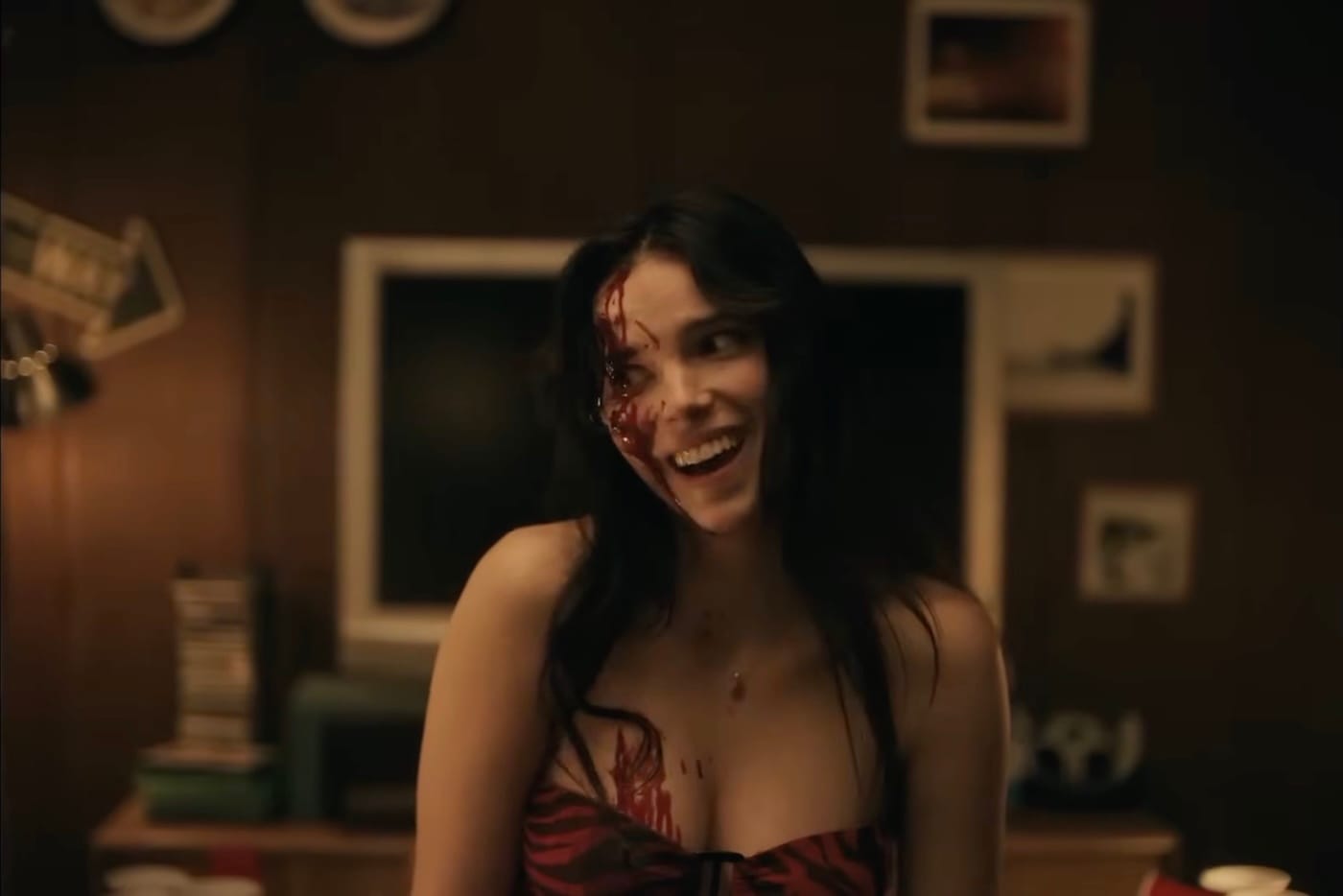
Obsession maintains a tone of ghastly humor even as its storyline carries more and more horrifying implications about what is actually happening to Nikki herself. If we’re laughing in those moments when Nikki “wakes up” for a moment and panics, have we really given enough serious thought to the fact that this is a movie about a man who is, while deeply lonely and insecure, willing to have sex with — and go on having sex with — a woman who has no say in the matter? I think it’s obvious that Bear is the real villain of the film, but do we grasp just how villainous he is? When it becomes very clear that all of this is happening against Nikki’s will, we have to conclude that Bear is, in essence, a rapist with a prisoner. Sure, he’s used magic instead of chains and drugs, but what’s the difference? I can imagine a horror movie that deals with this more seriously and meaningfully, and that would be far preferable to how this film wants us to stagger out laughing, shaking our heads, saying, “Well, that was wild.”
It’s a shame that so much style and cleverness is in service of such a fundamentally flawed storyline. This may be one of the biggest horror movies at the box office in film history, but I’m wishing — without any interest in the support of a One Wish Willow — for something better in this genre soon, something substantial enough to haunt me after the credits roll.
My product review for the “One Wish Willow”: Defective. Justice for the real Nikki!