Natchez: my favorite discovery of 2026 so far
In my favorite film of 2026 so far, director Suzannah Herbert gives us a tour of homes that reveal history that Americans ignore to their own peril.

As I write this, I am sitting in the car alongside a bluff over the waters of Puget Sound, gazing northwest beyond the peninsula and the Olympic Mountains toward the distant San Juan islands. Saturday morning pedestrians are walking their dogs past me in a parade.
As I take in this panorama, a breathtaking view I seek out every week, most of the explorers on the walking path are looking the other direction. They’re ogling the line of impressive Sound-facing homes that line this road: meticulously manicured lawns; extravagant gardens; impressive facades and doorways guarded by sculpted lions; balconies lavishly furnished for parties; enormous television screens behind floor-to-ceiling windows, all flickering with the same network news; American flags flying in almost every yard (some adorned with lots and lots of American flags).
Have you ever driven past a mansion, slowed down, fantasized about the extravagance that must be concealed behind those massive doors, and wished you take a tour to see the treasures inside?
I have. When I was very young, and my family was getting by on very little, one of my parents’ occasional recreational activities — I have vivid memories of this — was to drive around wealthier neighborhoods to ogle the most impressive homes of Portland, Oregon. While my parents prioritized thrift as a virtue, and equated the acceptance of financial constraints as a virtue, they nevertheless fell into a sort of ecstatic state as they drove past the houses of families whose reality kindled their imaginations. Those houses looked to me the illustrations of castles in fantasy novels — the stuff that dreams were made of, but existing in worlds inaccessible to ordinary people like us.
I have to fight a tendency to be presumptuous and judgmental in neighborhoods like these. Living on a teacher’s income today as my parents did then, I find it hard to fathom what it costs to maintain one of these waterfront Edmonds properties. When I look at these trophy houses with their chemical-green lawns, they look like brash, ALL-CAPS boasts in a long, straight sentence about money. I want to be able to appreciate what I see. And I know a few who, at this level of financial success, practice responsible stewardship and generosity. But those families actually live in their houses. Here, most of the mansions are empty almost every time I’m here — mornings, afternoons, even late at night. I wonder if these homeowners own several homes and just drop in when it’s convenient. I don’t know. And even the unnaturally green lawns make me uneasy.
I wonder if I want to know the answers to those questions about these expensive, empty spaces, the stories about how they came to be, why everything looks new and untouched, what systems make such lifeless facades possible. I remember the first chapter of Ecclesiastes: “For in much wisdom is much vexation, and those who increase knowledge increase sorrow.” I try to keep my attention on the wonders beyond.
But now I’m thinking about Natchez. Again.
We’re heading into what looks like, by my lights, the most exciting season of highly anticipated new films that the cineplexes and arthouse theaters have seen in years. And, following recommendations from Alissa Wilkinson (The New York Times) and Melissa Tamminga (program director at The Pickford Film Center in Bellingham, Washington), I’ve just caught up with my favorite film of the year so far — a documentary that has haunted me morning, afternoon, and evening ever since.
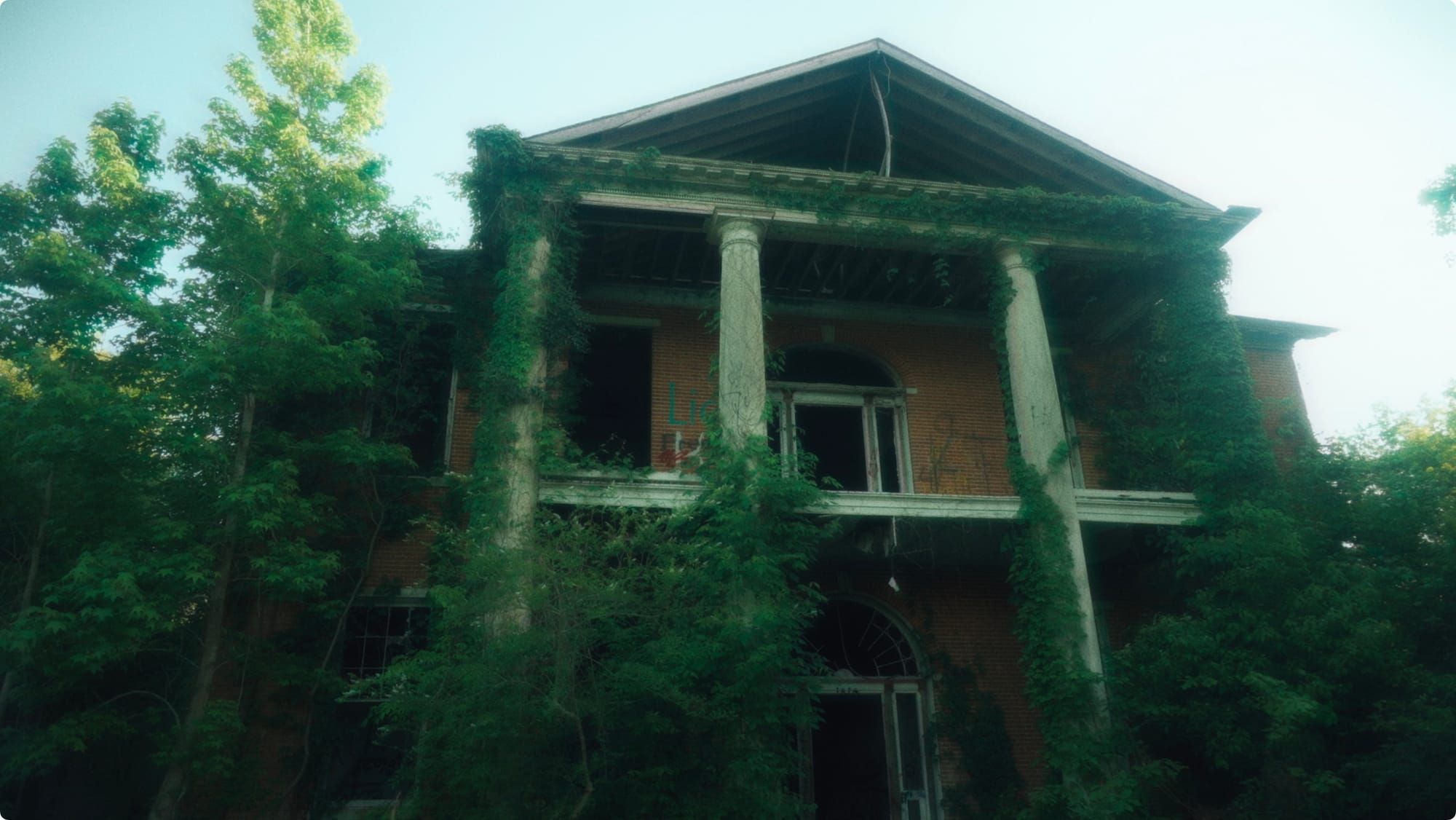
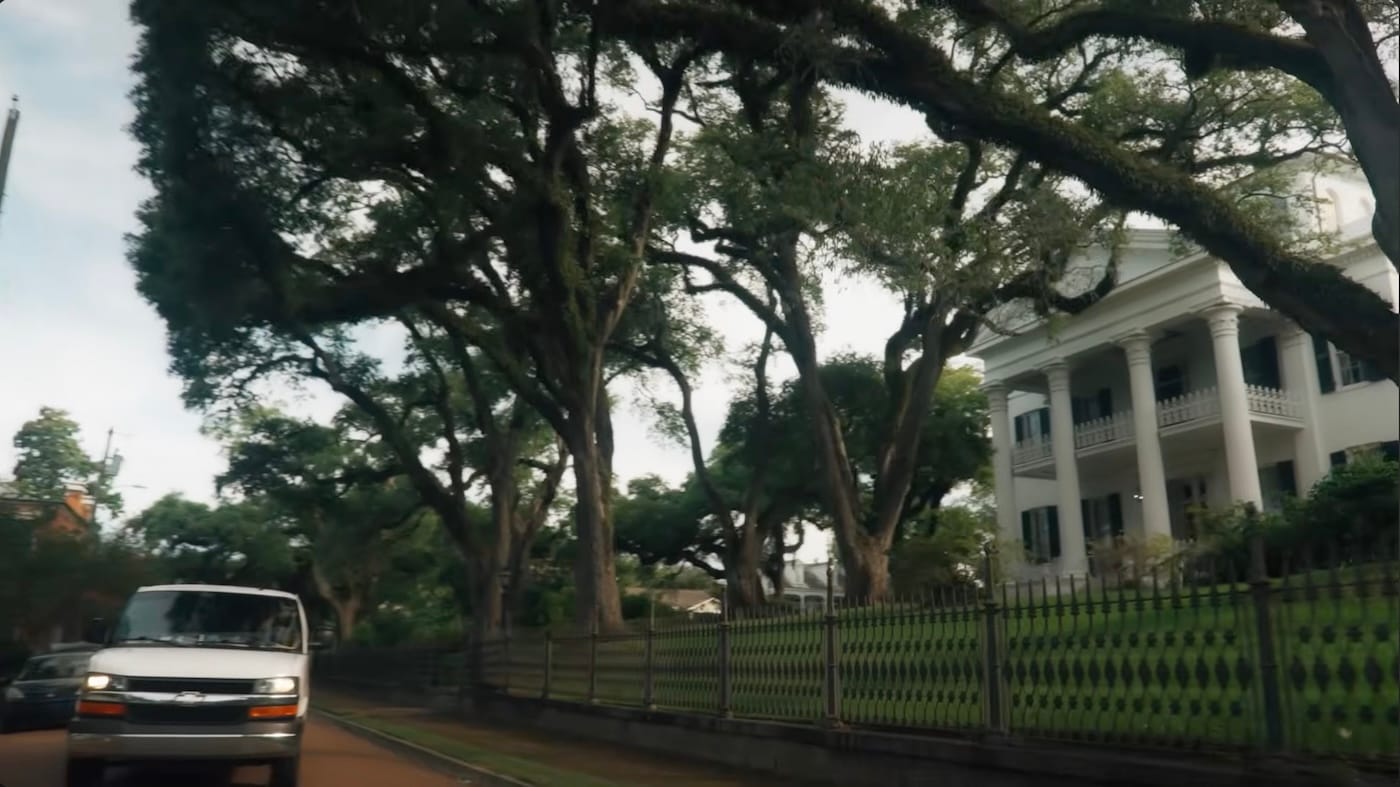
Natchez takes us on a cinematic tour various historical tours of the antebellum mansions of the American South — several tours, actually, zigzagging between the informational commentary and colorful anecdotes of differing tour guides. I can imagine my parents’ gasps and exclamations of wonder whenever the camera unveils the extravagant spectacle of another historic Mississippi home. It’s easy to see the appeal of meandering every morning through these gardens that look like freeze-frame Fourth-of-July firework-show finales; of relaxing on these porches with iced tea in the evening; of Christmases in the glow of those living rooms and dining rooms. In some senses, it’s a way of dreaming about a world without sin, a world without blemish. And many of the tourists are clearly here to feel those vibes, to enjoy those fantasies.
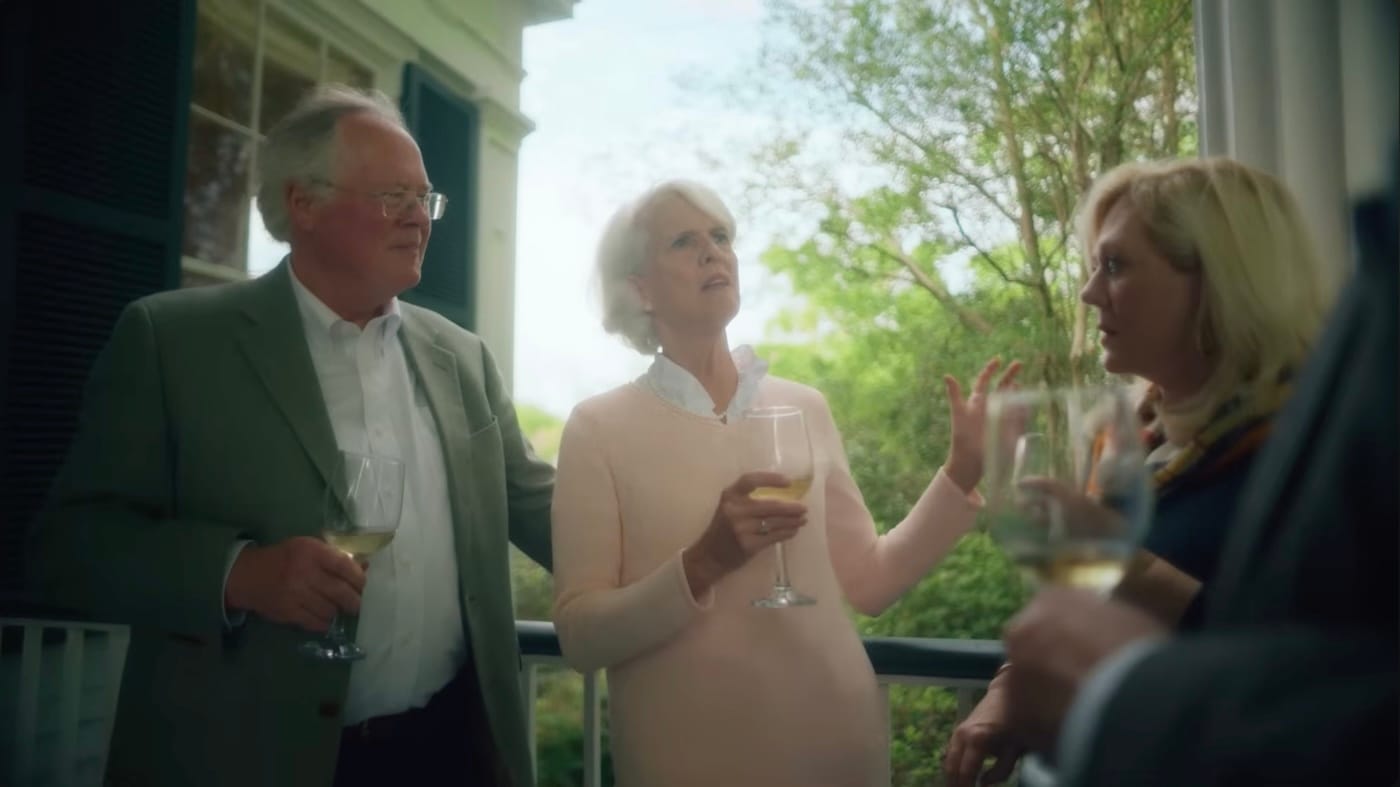
Some of them are guided by narrators who feed the visitors’ fantasy. We watch well-dressed tourists smile to one another on those porches, sipping wine, and agreeing that it is good to “get away from current events” and gather here. “I come here, and I feel like I have stepped out of the current mess ... and I have gone back in this lovely way ....” “To a lovely world!” “And I can pick and choose what I want to think about.” “Nowhere in America is everything beautiful ... but Natchez.”
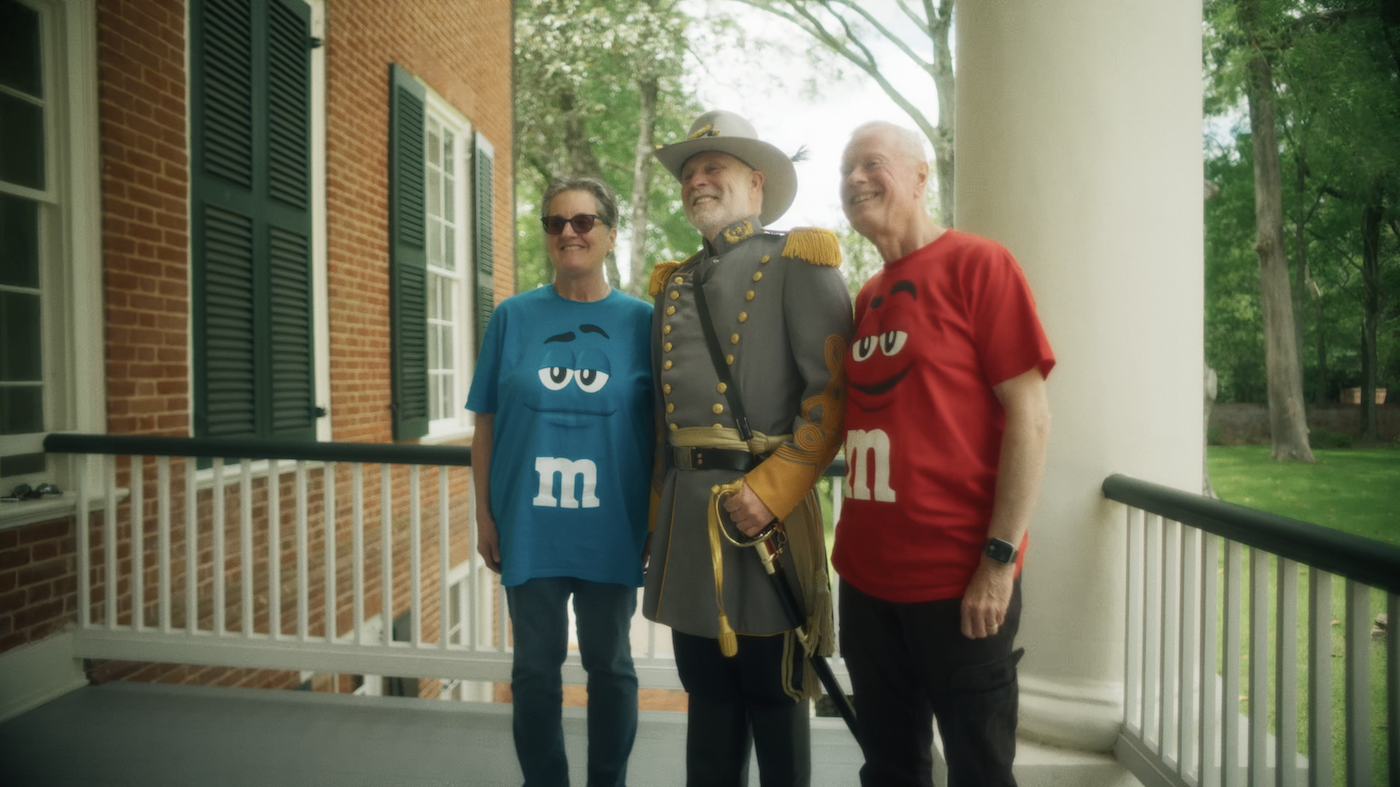
And then there’s a cut to tourists in M&Ms t-shirts posing on the porch with a man in a Confederate uniform.
Other travelers, however, find themselves on a different tour. They are told a fuller story, one the fact that the families who lived here did not manage these properties on their own. These scripts acknowledge the legacy of slavery. They acknowledge the poor, the oppressed, the abused, the slain. Rather than building fantasies, these guides deliver a meaningful history lesson meant to help us remember and learn from America’s mistakes.
And what does Truth do again, according to what the promises of Christian scriptures? Isn’t that the stuff that sets us free? Isn’t that what the wise will ask for?
Wilkinson, in her New York Times review, says, “The real story is never what you see on the surface. ... Maybe telling the whole story doesn’t mean living happily ever after, but at least it can mean being a little wiser.” I’m here to tell you that, as usual, Wilkinson is right. Remember that verse from Ecclesiastes. If it’s luxurious lies you’re looking for, those tours exist. But if you’re looking for wisdom, you will soon be vexed.
As director Suzannah Herbert zigzags back and forth between these tours, she invites us to think carefully about the strikingly different narratives offered by the Natchez tour guides. Tourism has been the foundation of this Mississippi town since a plague of boll weevils took over the region and, between 1907 and the early 1930s, wiped out the cotton crops that had established it as one of the wealthiest communities in the world. The women of the Garden Clubs knew that the mansions could be promoted as a major attraction.
In some tours, visitors are drawn into wide-eyed awe and reverence that anybody could have lived such beautiful lives. In others, they’re made aware of the moral compromises and the flagrant evils that served as the mortar for so many bricks. These houses are haunted with secret histories of slavery. How the tourists and the homeowners either deny or deal with that history — well, that’s where the drama of this documentary takes place. That’s where Herbert, who made 2021’s Wrestle (another documentary about race, privilege, and cruelty in America), digs until she comes up with the kind of ugly gold that can shake us loose from the toxic fantasy and, if we’re humble and truly human, drive us to repentance, reparations, and a more meaningful definition of freedom.
The power of Pilgrimage tours to enchant is — yes, I'm using present-tense verbs because they’re still going on — reliant on the owners amplifying opulence to a volume that drowns out the echoes of the hundreds of thousands of slaves bought, sold, and assigned to hard labor in Natchez. Black children, women, and men, denied any education that would grant them advantages, literally baked the bricks of the houses where their enslavers lived, and they worked the fields that earned plantation owners their fortunes. (And many were forced into an even more dehumanizing and harmful form of servitude after dark, as the rich, white enslavers took advantage of them and often impregnated them.)
Herbert’s tour tapestry is a weave of varying voices from Americans who may at times seem like comical characters in a Christopher Guest satire, but who appear as themselves without any scripts but their own.
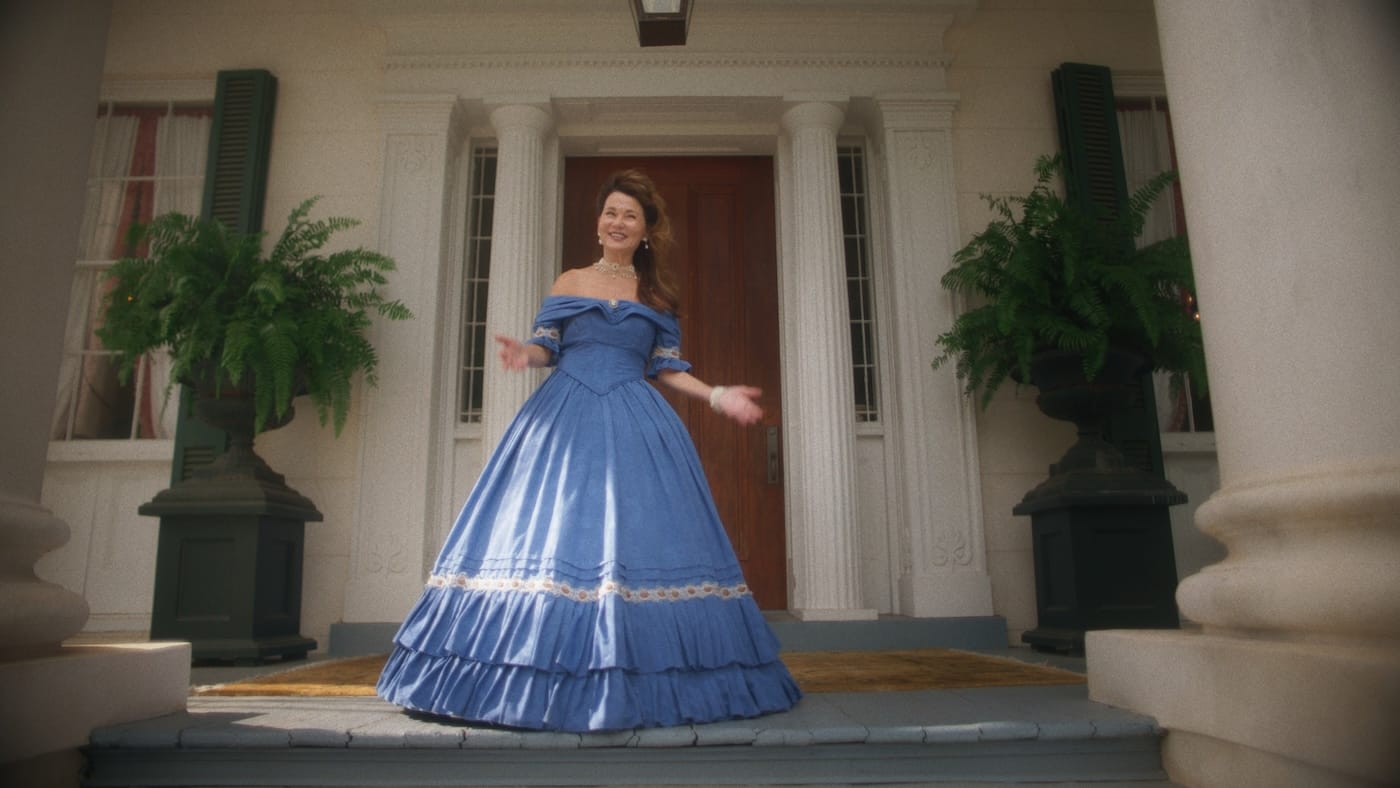
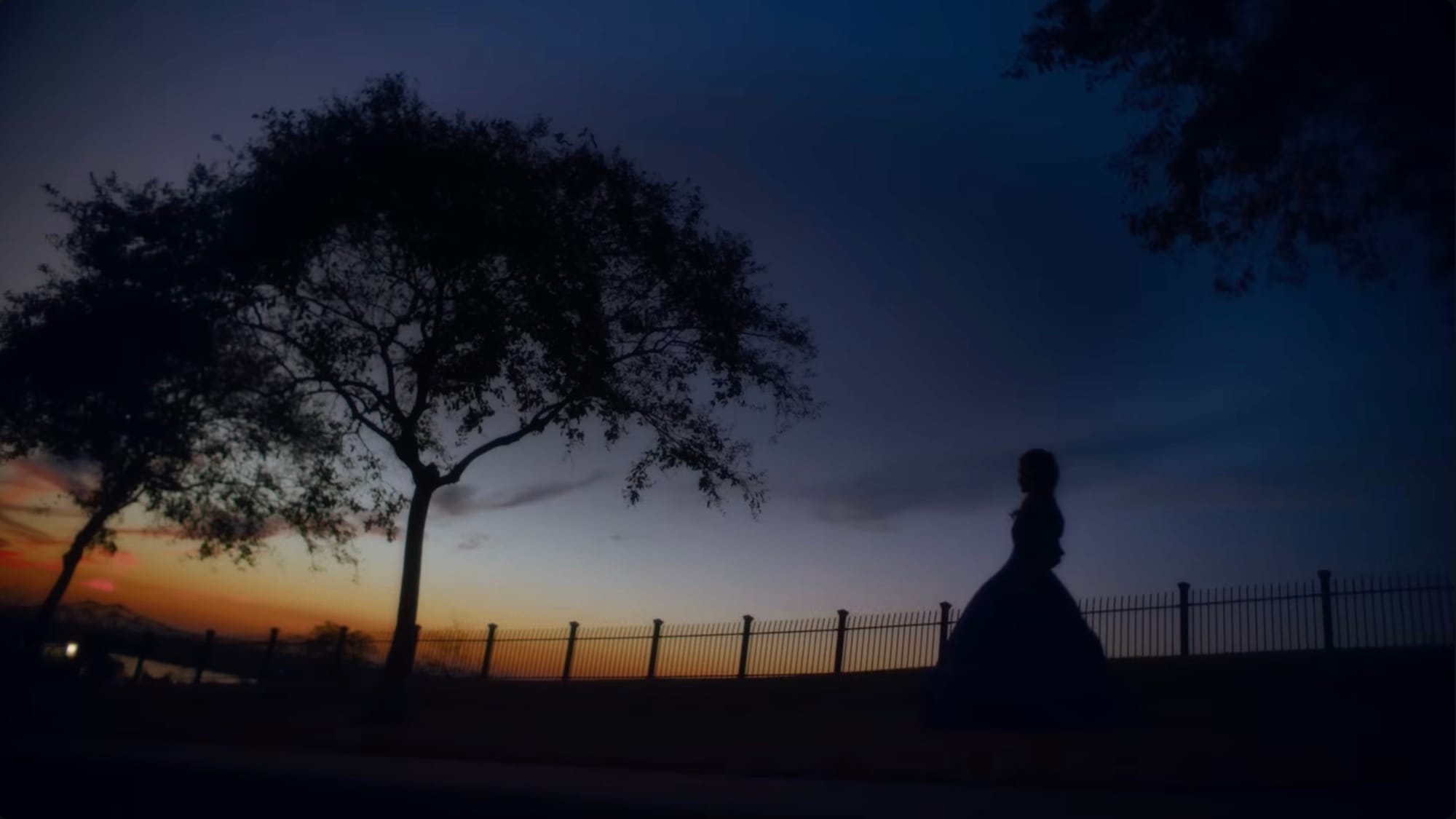
We meet Tracy McCartney, a woman who grew up “at the end of a dirt road” and who thus enjoys putting on the fancy hoop-skirt dresses and posing like a Disney princess against these scenic backdrops. At first, she seems like she’s being set up to look like one of those who live in deep denial. Don’t rush to judgment — her story is still unfolding, and Herbert’s three-year project catches her during a dramatic turning point.
We meet David Garner, the soft-spokenly entertaining owner of an historic house called “Choctaw Hall.” (The property’s name may raise troubling questions for the curious right away, but Herbert has more urgent matters to investigate.) Naive as I so often am, I was delighted to have my assumptions challenged by the prominence of an openly gay man in a community where I would assume cultural norms would have shut him down. And at first, Garner’s theatrical presentations highlight his engaging manner with his guests. Outside of a few typically unhinged homophobes taking God’s name in vain on the sidewalk outside, I was pleased to substantial support for LGBTQ members of the community here. I wondered if Herbert might be intent on assuring us of cultural progress toward more compassionate and inclusive understanding. (What’s more, Garner is afflicted with Parkinson’s disease, and Herbert attends to this with gentleness.)
But as the film goes own, Herbert follows Garner into more candid moments where we learn much that isn’t included in his typical script.
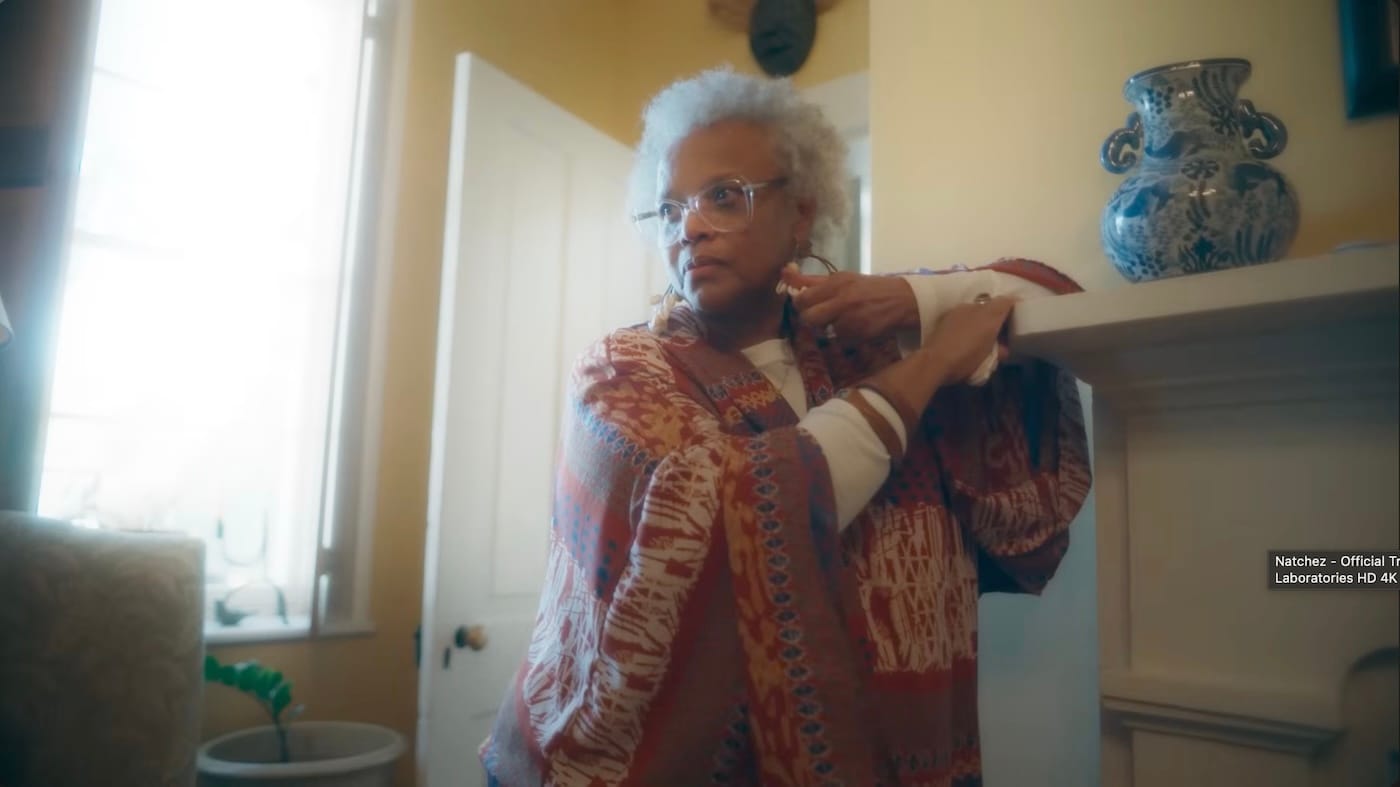
We meet the first African American member of the Garden Club, Deborah Cosey, who owns Concord Quarters, slave quarters that have been converted into a bed-and-breakfast. In her tour script, Cosey does not hold back in describing what she’s learned about the suffering of the slaves (or “servants,” as others who sell a white-supremacist fantasy insist on calling them) that made such success for white families possible.
Most importantly and affectingly, we spend substantial time with Tracy “Rev” Collins, a Baptist minister who gives tours and conscientious commentary as a side gig.
I could write several paragraphs here about Collins, but I want you to discover him for yourself. His courage, his humor, his commitment to living the Gospel he preaches — he sure looks like a role model to me, a living example of how to answer the Scriptures’ call of Micah 6:8: “[God] has told you, O mortal, what is good, and what does the Lord require of you, but to do justice and to love kindness and to walk humbly with your God?” Well done, Reverend Collins. I see you, and I am grateful.
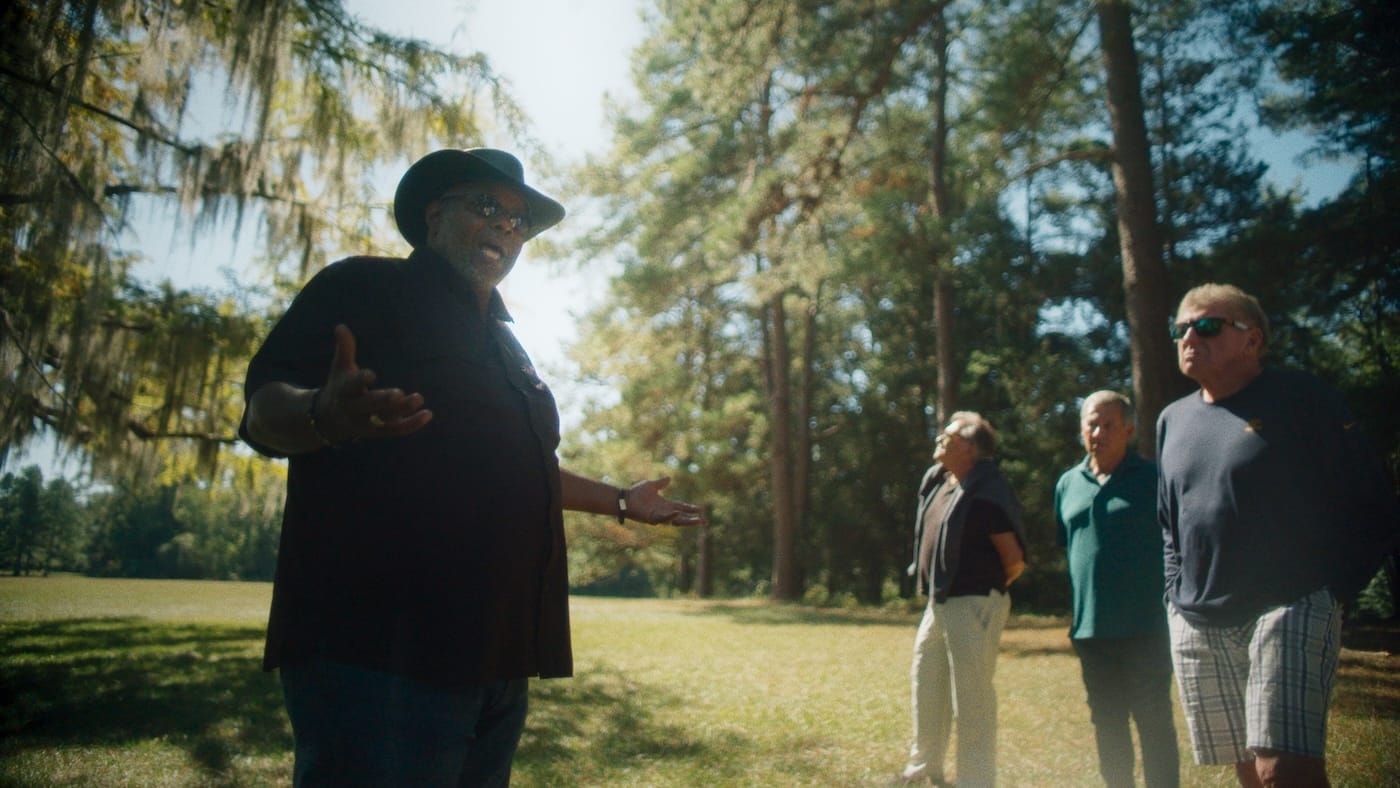
My review so far might make Natchez sound like a miserable way to spend 95 minutes. But no — Herbert has artfully crafted a documentary that is in turns mesmerizing, unpredictable, and often funny. And yes, at times, it lets us peer around a corner to glimpse evidence of horrors that will educate us in essentials of our history. Hang on to the end — I find it deeply moving. I understand America better for having taken these tours. And there are moments of documentary truth here I'll never forget, stuff nobody could script.
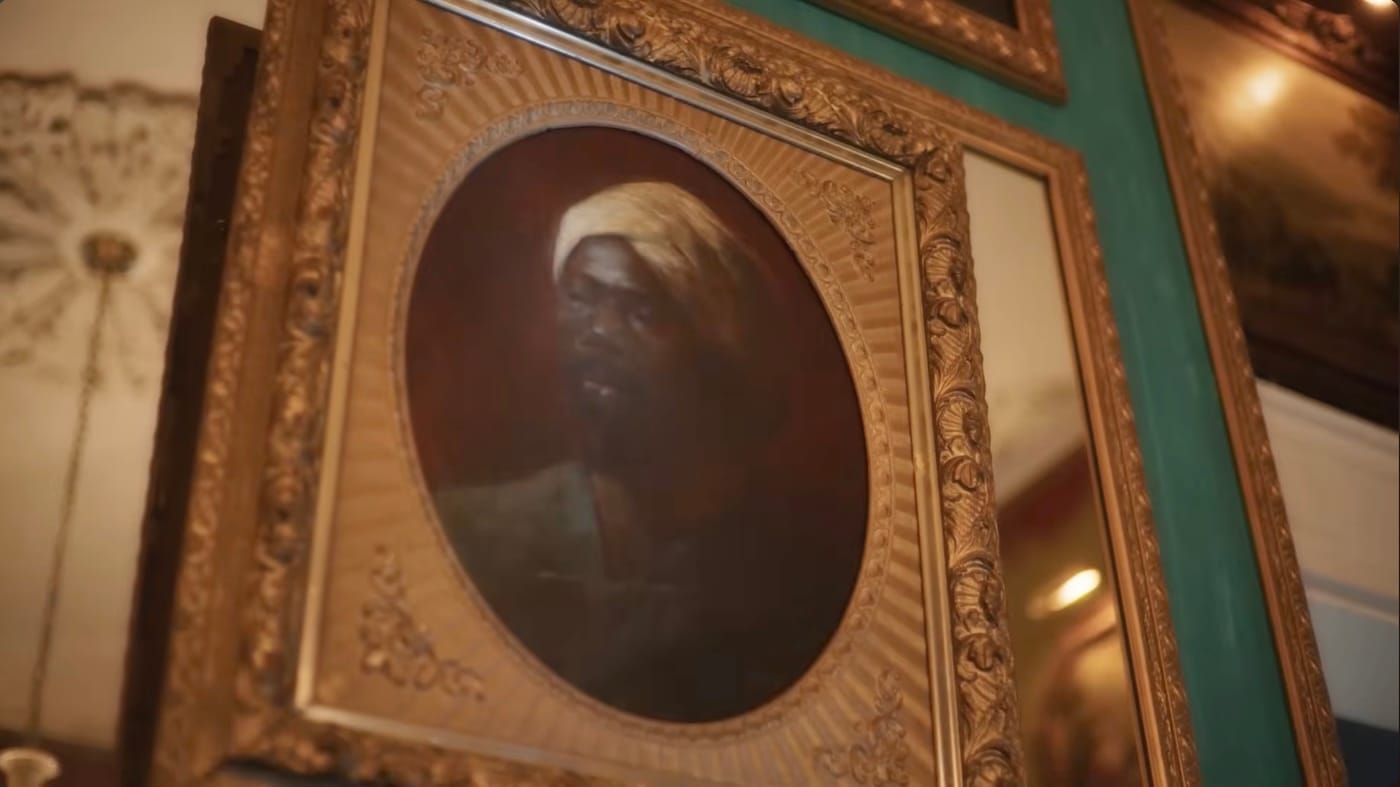
Natchez played festivals in 2025 but it did not reach Seattle screens and streaming services until 2026. At this writing, it’s playing on the cost-free streaming service Kanopy (accessible through most public libraries) and for a rental fee of about $3 on other services. Natchez is just over 90 minutes, but it has the gravity of an Oscar-season heavyweight. I recommend that you watch it as soon as possible — with friends, with family, in classrooms, in churches. Yes, in churches. This is a film for all kinds of audiences, but those who know their scriptures will find so much that will inspire them, challenge them, and move them into meaningful conversation and reflection.
Natchez would make an outstanding double feature with Lynden, the 2025 documentary from directors Bryan Tucker and Chris Baron, about how Black Lives Matter marches divided a city on the border of Washington State and B.C. If you haven't seen Lynden yet, I recommend you make time for that one too. It may well challenge your perspective on the blue state I call home. But again, proceed with caution. With increasing wisdom comes increasing sorrow.