
First impressions of The Samurai and the Prisoner
At the end of 2026, you’ll find Kiyoshi Kurosawa’s 16th century murder mystery ranking highly on my favorites list — and probably high on many other critics’ lists as well.

Once again, the great Justin Chang is showing the world why he won a Pulitzer for his film criticism. One of the headlines pointing to his review of Kiyoshi Kurosawa’s film The Samurai and the Prisoner reads “Resistance is Feudal.” How are the rest of us hoping for some attention to our work supposed to compete with genius like that?
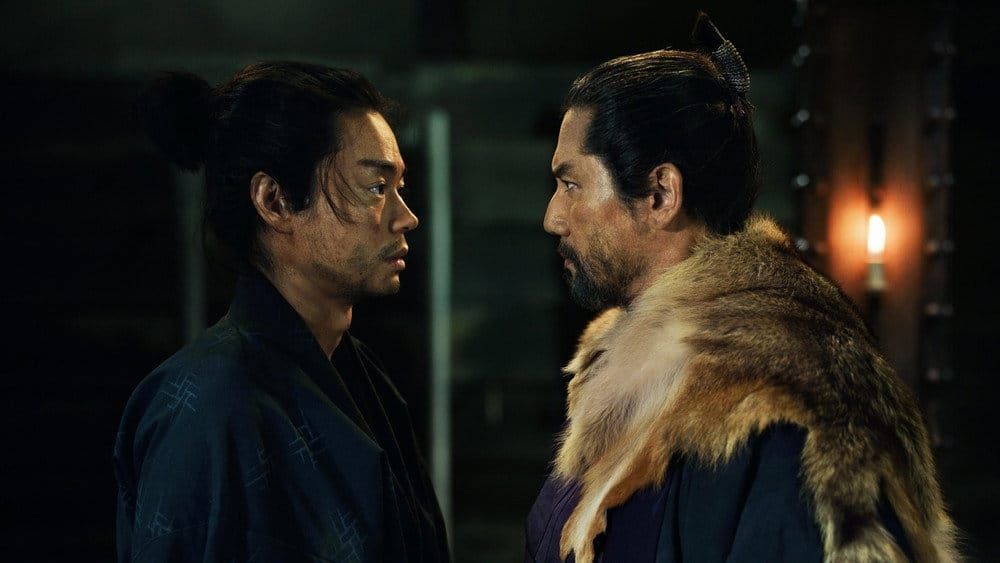
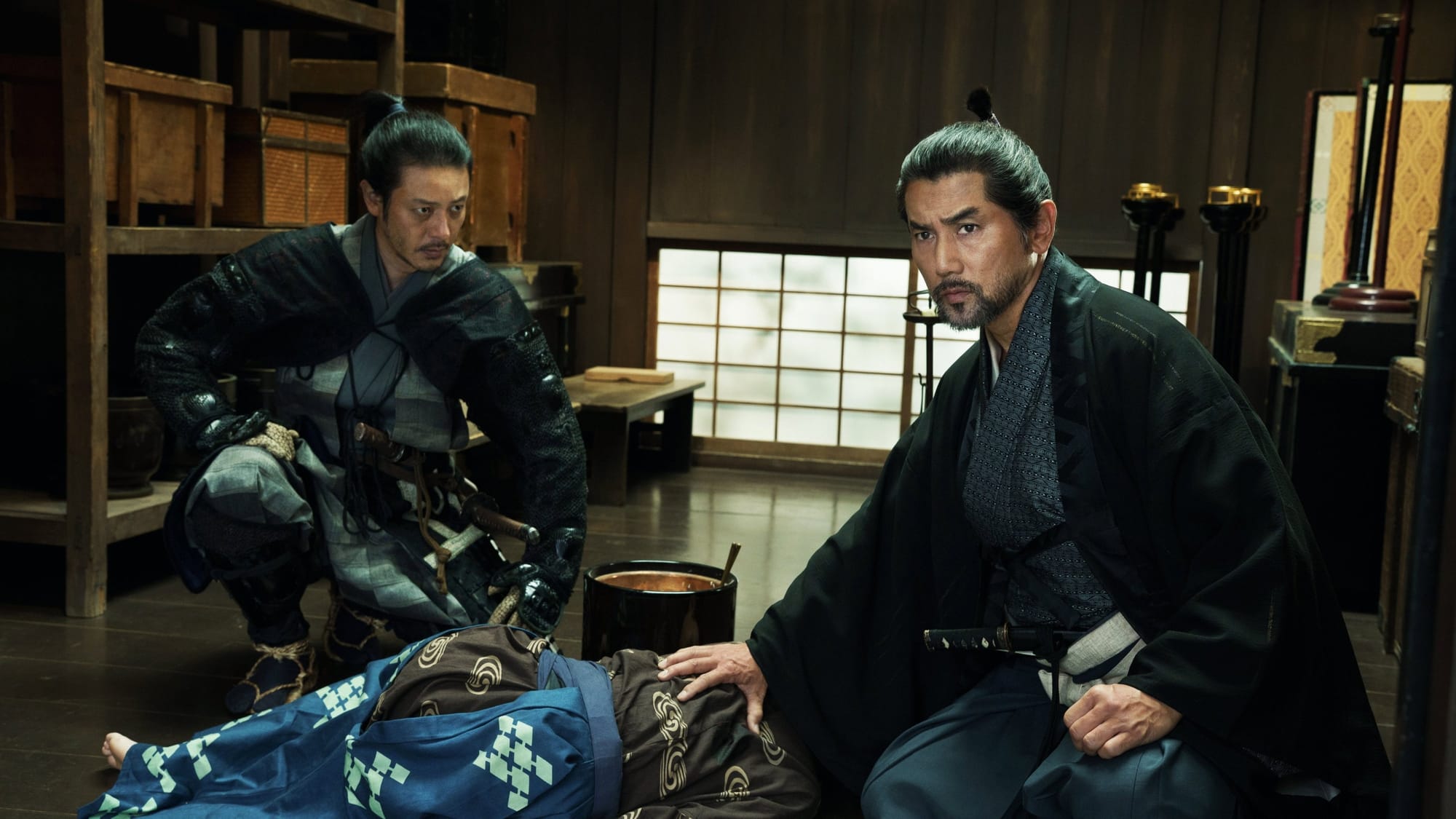
In the late 16th century, in feudal (sigh) Japan, the cruel warlord Oda is inspiring resistance. One of those willing to defy the fearsome villain is Araki Murashige, now the lord of Arioka Castle, but formerly Oda’s obedient retainer. Murashige is developing a dangerous reputation: He grants mercy to those who would be sentenced to death in other houses. And sure enough, when Oda’s brilliant military strategist Kuroda Kanbei comes to him with a not-so-subtle message about the folly of resistance, Murashige responds by imprisoning the messenger rather than killing him. This sends a shock wave through Arioka; Murashige is violating samurai laws and traditions in ways that insult even his own military defenders. And it shocks Kanbei himself, who fears that his survival will suggest he has betrayed Oda, which would have bloody consequences for his family.
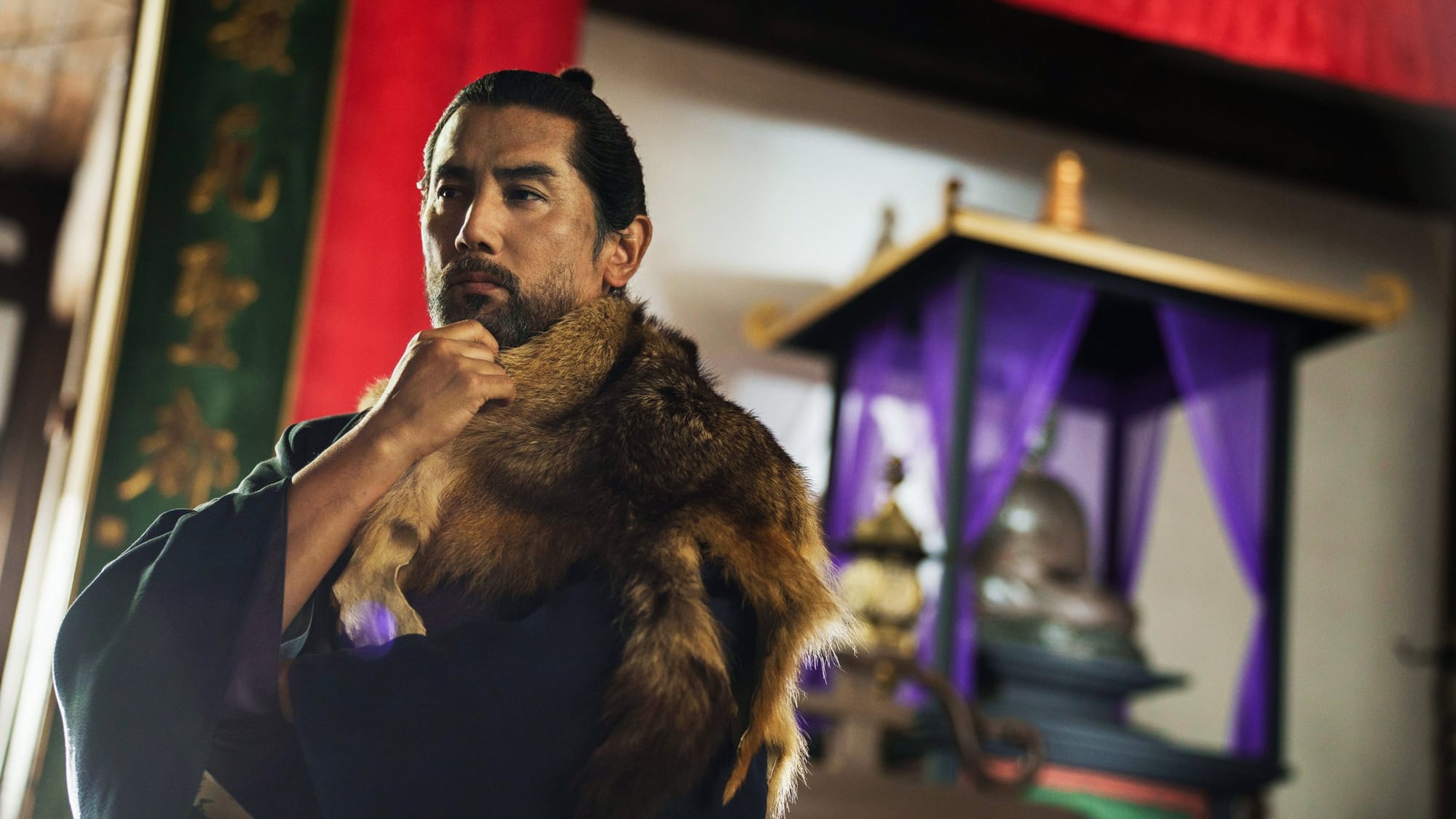
But that’s the thing about Murashige — he has no appetite for violence. Whether this decision is driven by conscience or strategy or both, that remains to be seen. Who can overlook the advantages he might have, keeping Kanbei’s famous intellect within reach in a dungeon beneath the castle? We soon discover that Murashige means to make use of his captive’s talents when things get complicated.
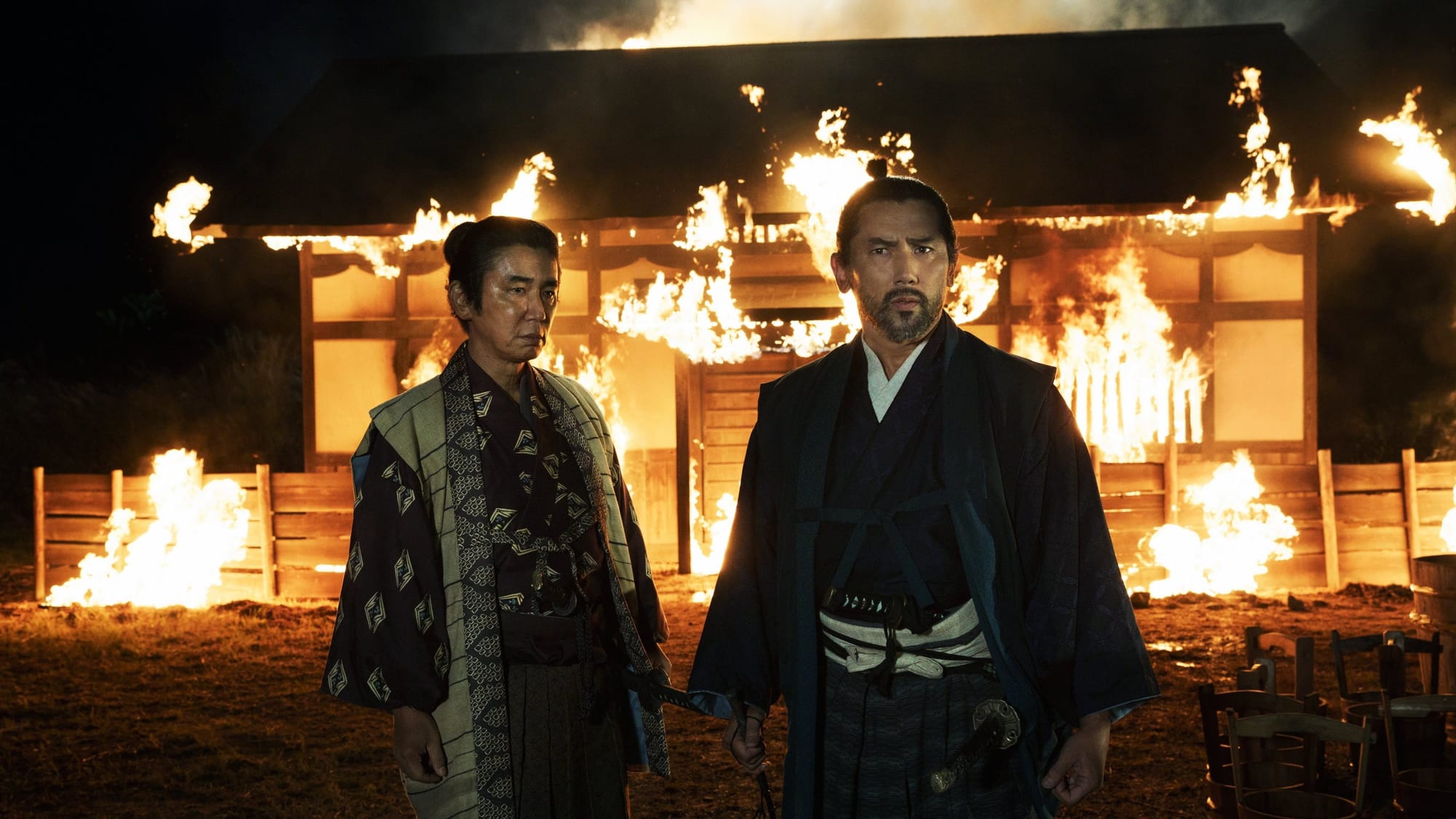
And they just keep getting complicated. One after another, mysterious killings within Arioka Castle stir up distress and distrust inside the walls, threatening to fracture Murashige’s control over his castle defenders and ruin the resistance. Actor Masahiro Motoki, who was surely cast for his resemblance to the great Toshiro Mifune who starred in so many Akira Kurosawa (no relation!) classics, is the focus of almost every scene, and he’s fantastic as we watch Murashige’s confidence begin to crack. I find the arc of Murashige’s character fascinating, and for all of the character’s heated exchanges, much of his transformation over the course of the film is shown rather than explained.
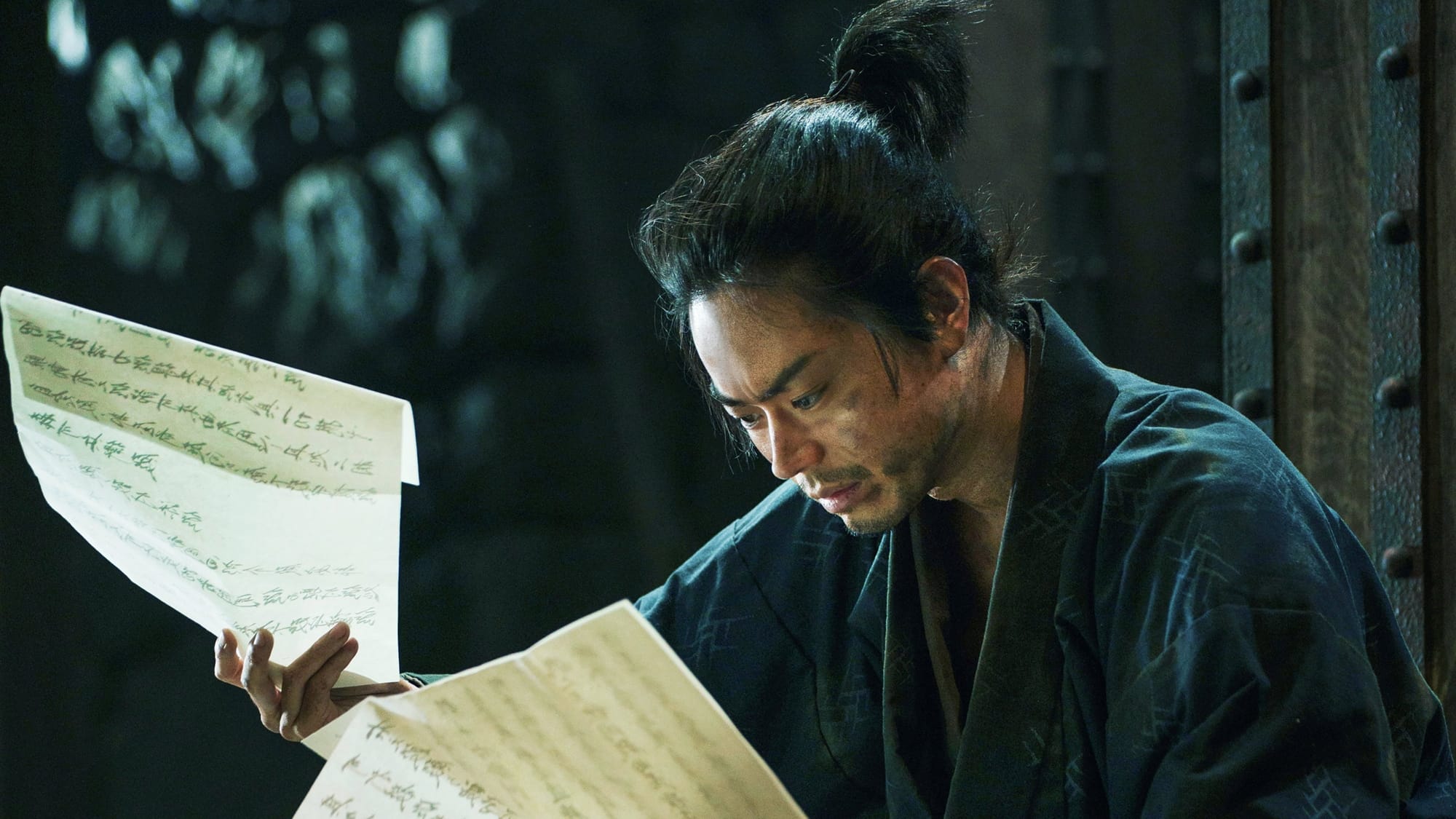
As Kanbei, Masaki Suda is similarly magnetic. His quiet but clear-eyed gaze convinces us right away not only of his intelligence but of the storms roiling within him as he fears for the fate of his family. Clearly, the prisoner is a genius. But is he trustworthy? And if he’s chained up, who might be committing these crimes within the castle and disrupting Murashige’s fragile control over his armies?
That's really all you need to know if you're asking what this movie’s about. My summary of the narrative’s setup only covers the beginning of a long, eventful, and extremely talky samurai movie. And that’s not a complaint — the tense exchanges in each scene are suspenseful and unpredictable, the sudden bursts of action surprising, and the large cast of characters complicated and fascinating. What’s more, the movie is as memorable and as admirable for what it doesn't do as for what it does.
This is a film of rare and remarkable integrity. Everything about it serves to reinforce the wisdom at the heart of it. That is to say, its form follows its function. Even as its characters stumble toward humbling realizations about the corrupting nature of power and the counterproductive nature of violence, it refuses to give onscreen violence any opportunity to become appealing or exciting. Kurosawa films this story as if he’s directing a political thriller, letting the energy come from the performances and the tricky conversations instead of showy cinematography, special effects, or gratuitous action. Based on a 2021 novel by Honobu Yonezawa, The Samurai and the Prisoner is that rare film about warriors and military strategists that practices what it preaches about nonviolence; it demonstrates astonishing restraint. It gives people on all sides of a complex conflict their dignity. That is to say, it is a challenge to the saying “Every war movie is a pro-war movie.”
So much film-critic energy is being spent this summer on mining the wisdom of Christopher Nolan’s The Odyssey. And I understand why: Nolan dares to reimagine one of the world’s foundational texts, and does so in a way that challenges what naive and narrow minds have accepted as the fundamental definitions of masculinity and greatness. But I am so much more impressed with this movie and what it knows. Kurosawa’s patient, observant filmmaking — the film is shot with practical efficiency by cinematographer Yasuyuki Sasaki — suggests he feels no obligation to pander to contemporary audiences with shock-and-awe spectacle. His film resounds with essential truth, truth that dazzles (as Emily Dickinson taught us it must) gradually. I am very late to discovering this Kurosawa’s talents, and now I want to work backward and discover what I’ve been missing. And I have a lot to explore.
But I’m even more intrigued by the fact that this is a book-to-screen adaptation. I wonder what I would think of Yonezawa’s novel, or if the questions at the heart of this narrative are common to his work.
None of these anxious, temperamental characters are blameless, but each of them hold a piece of a puzzle that, when we see the picture fully, makes a claim about violence that could save the world from so much shameful bloodshed and unnecessary fear. Subverting the conventions of the several genres it represents, it gives us a memorable slogan: The prevailing battle cry of world religions — “Advance to Paradise, retreat to hell! ” — is a lie.
Kurosawa is a great storyteller here, methodical and dialogue-dense as this is. I might wish he had a greater talent for composing indelible images — the film’s greatest visual strength comes from the expressive eloquence of its actors faces. But I will take this illustrated manuscript over so much violent, big-screen spectacle. This is one to return to, meditate on, and make the subject of rewarding classroom conversations. And at the end of 2026, you’ll find it ranking highly on my favorites list — and probably many other critics’ lists as well.
I suspect that Father Thomas Merton would have admired this film. The wise and eloquent Trappist monk, who authored more books that you’ll find in my home library than any other writer, understood the potential of a peaceful dialogue between Buddhists and Christians. This film’s roots are firmly planted in common ground for both Buddhism and Christianity. The idea of such shared understandings, such mutual wisdom, frightens and offends those in both religious traditions for whom tribal loyalty and identity are more important than the central summons to love and grace. But I cannot shake just how beautifully the light that radiates from this film aligns with the teaching and example of Jesus. I wish I could discuss it with Merton.
I hope my first impressions here will inspire you to seek this film out. If you’d like a second opinion, I highly recommend Sarah Welch-Larson’s review at Seeing & Believing.